

On a shop floor, the same conversation repeats every October. Someone stands in front of a mirror in kitten-heel boots, likes them, and then asks the question that kills the sale: “What would I wear these with?” The honest answer is usually three things, and those three things make nine outfits. Most people never do the arithmetic, so they buy a fourth pair of boots instead.
That arithmetic is worth doing once. Three pieces of clothing that already work together, multiplied by one pair of kitten-heel boots, gives a week of outfits with no repeats. It’s not a styling trick. It’s just counting.
You can run the count in your own wardrobe tonight. Pull out the three pieces you reach for most between October and March, put them on the bed, and lay the boots next to them. If you can already see six combinations, you don’t need another pair. If you can only see two, the problem is usually the hem length rather than the boot.
Why three pieces is the whole wardrobe
Three garments give you three single outfits plus three pairings of two, plus the full set. In practice, one of those combinations always fails, which leaves eight or nine that work. That’s a week, and it’s enough to stop the morning decision from taking twenty minutes.
The reason kitten-heel boots suit this maths better than most shoes is the height. At 40mm to 50mm, they sit in the range that works with both a hem that grazes the ankle and a hem that stops at the knee. A flat boot can’t lift a long hem. A 90mm boot demands a shorter hem or a wider trouser. The middle height is the one that doesn’t argue.
There’s a second reason, and it’s the one buyers notice after a few seasons. A kitten heel keeps the ankle visible, so the boot doesn’t need to match the outfit. It reads as a neutral. That’s why one pair can carry nine combinations where a knee-high boot in the same colour would only carry three.
The three pieces worth building around are a straight-leg jean, a midi skirt, and a slip dress. Each one tests a different part of the boot: the ankle opening, the shaft height, the toe shape. If the boot works with all three, it will work with almost everything else you own.
What you don’t need is a fourth piece. Adding a second skirt or a second dress doesn’t add nine outfits; it adds three, and it adds them badly, because the new piece only pairs with the pieces it was bought to go with. Three is the number that multiplies. Four is the number that clutters.
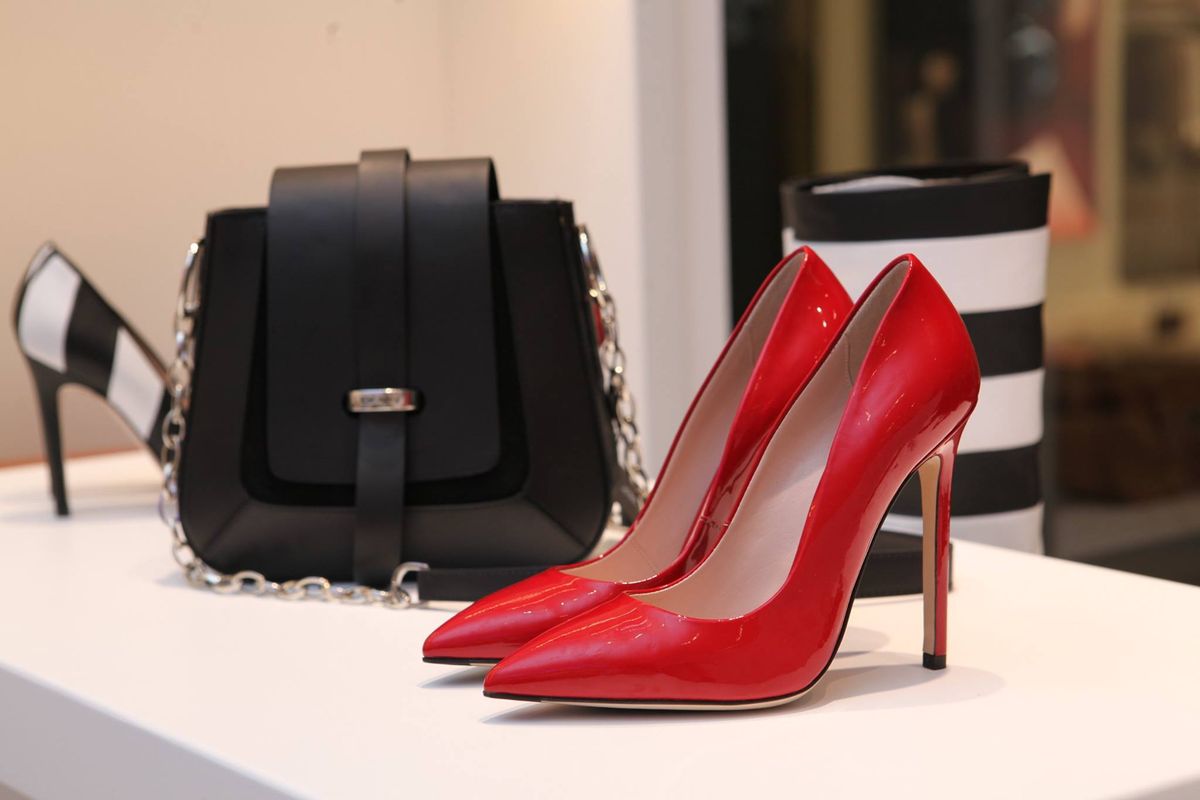
Piece one: the straight-leg jean, three ways
A straight-leg jean is the hardest test, because the hem sits right on the boot opening. Get this right and the rest is easy.
Cropped jean, bare ankle, kitten-heel boot. The hem stops 3cm above the boot, leaving a strip of ankle visible. This is the cleanest version and the one that looks most deliberate. It works because the boot’s low heel keeps the proportion calm; with a higher heel, the same outfit starts to look like a costume.
Full-length jean over the boot shaft. The hem covers the top of the boot and only the toe and heel show. This is the version to wear when it’s cold and you want the boot to disappear. It needs a straight or wide leg, not a skinny one, because a skinny hem tucked into a boot shaft creates a bulge at the calf that no amount of styling fixes.
Rolled cuff, boot fully visible. Two rolls, about 4cm total, so the boot’s shaft and heel are both on show. This is the most casual of the three and the one that photographs best, because the eye gets the whole boot rather than a fragment.
Denim weight matters more than people expect. A 12oz rigid jean holds its hem above the boot and keeps the line clean. A 9oz stretch jean collapses onto the shaft, and the hem sticks to the boot in a way that looks untidy by lunchtime. If your only pair is stretchy, the rolled-cuff version is the one to use, because a roll gives the hem enough structure to stay put.
Where it fails: a cropped jean with a wide boot shaft. The two volumes fight, and the leg looks shorter than it is. If the shaft is wider than 13cm at the top, keep the hem long.
Before you commit to a hem, do the mirror test with your shoes off. Stand in front of a full-length mirror and fold the jean up to each of the three lengths. You’ll see immediately which one your leg can carry. Most people assume cropped is safest, and most people are wrong about their own ankle.
If you’re between lengths, buy the longer jean and have it taken up. A tailor charges very little for a straight hem, and you get the length that actually suits your boot rather than the length the shop happened to stock.
Piece two: the midi skirt, three ways
A midi skirt is where kitten-heel boots earn their place. The hem lands between knee and ankle, and that’s exactly the zone where a flat boot looks heavy and a high boot looks aggressive.
Pleated midi, boot in the same colour family. The pleats move, the boot stays still, and the low heel keeps the whole thing from looking like office wear. This is the combination that sells the boot in a shop, because it makes the leg look longer without any effort from the wearer.
Straight midi with a side split. The split shows the boot when you walk and hides it when you stand. It’s the most flattering option for anyone who doesn’t want to think about their calves, and it works with a shaft up to 18cm.
Knit midi, boot in a darker tone. The contrast at the ankle does the work here. A soft knit hem against a structured leather boot is a texture difference rather than a colour one, and it reads more expensive than it is.
Where it fails: a full, gathered midi with a kitten-heel boot. The volume at the hem swallows the boot completely, and you end up with a silhouette that stops at the knee. If the skirt is full, the boot needs to be taller, or the hem needs to be shorter.
Your boot’s shaft height decides which of the three works best. Under 12cm, the pleated version is the safest, because the hem moves and the eye doesn’t settle on the boot. Between 12cm and 16cm, all three work. Above 16cm, the knit version starts to look heavy, and the split becomes the only one that keeps the line clean.
One more thing to check in the mirror: sit down. A midi skirt that looks right standing can ride up 5cm when you sit, which changes the whole proportion and puts the boot in a different frame. If you’ll be sitting at a desk all day, test it seated before you decide.
Piece three: the slip dress, three ways
A slip dress with kitten-heel boots is the combination that surprises people, because the two pieces come from different decades. It works for the same reason the other two do: the low heel keeps the dress from looking like evening wear.
Slip dress, bare leg, ankle boot. The most direct version. The boot’s shaft gives the dress some weight at the bottom, which stops it looking like sleepwear. A 45mm heel is the sweet spot; below 35mm the whole outfit goes flat, above 60mm it turns into a party look.
A fine knit worn underneath it. A thin long-sleeve layer under the dress, boot on the foot. This is the version that works from October to March, and it’s the one that makes a summer dress earn its cost per wear. The boot needs a clean line here, so avoid anything with buckles or a heavy sole.
With a tailored coat over the top. The coat does the structure, the dress does the softness, and the boot ties the two together at the ankle. It’s the outfit that looks like it took ten minutes and actually took three.
Where it fails: a satin slip dress with a patent kitten-heel boot. Two reflective surfaces at different scales, and the result looks like a mistake rather than a choice. Matte leather against satin is the safer pairing.
If you only own one slip dress, check the strap width before you build outfits around it. A wide strap reads casual and works with all three versions. A thin spaghetti strap pushes the whole look toward evening, and then the kitten heel is doing the opposite job to the dress. In that case, add the knit layer and the boots stop looking out of place.
What the nine outfits have in common
Weather is the fourth variable, and it’s the one that breaks the count in practice. A suede kitten-heel boot will not survive a wet week, so if you live somewhere with real rain, the nine outfits are really six outfits plus three days of something else. Leather or a coated finish keeps the full count. That’s not a style argument, it’s a maintenance one.
Every combination above keeps the ankle visible or the boot’s line unbroken. That’s the rule underneath the maths. The moment a hem cuts across the widest part of the boot shaft, the outfit stops working, regardless of what the rest of it is doing.
The second shared feature is colour. Kitten-heel boots in black, brown, or a dark neutral will carry all nine. A coloured pair, silver or red or cream, will carry about five, because the boot starts making a statement and the outfit has to answer it.
The third is heel height. Everything above assumes 40mm to 50mm. At 30mm the boot reads as a flat and the slip dress combinations lose their edge. At 70mm the jean combinations start to look top-heavy. There’s a narrow band where nine outfits work, and it’s narrower than the marketing suggests.
You can test this at home in about ten minutes. Put the boots on, then try each combination in front of a mirror and count the ones you’d actually leave the house in. That number, not the theoretical nine, is what you’re buying.
Where the maths breaks is storage and seasons, not style. Nine outfits from three pieces assumes you’ll wear the same three pieces for a week, which most people won’t. The realistic version is six outfits from three pieces plus a fourth piece you already own, and that’s still a better return than buying a second pair of boots.
For the fit side of the equation, the ankle gap nobody measures explains why the same boot can look different on two people wearing the same outfit. If the boot shaft keeps rubbing, that gap is usually the reason.
For the pieces themselves, a white kitten-heel pair for the lighter outfits covers the slip-dress combinations, and soft leather pointed shoes with a low heel are the closest thing to the boot’s line without the shaft. You can browse the ankle boots category for shaft heights, or start from the heels section if you’d rather compare heel shapes first.
There’s a useful reference point in the capsule wardrobe idea, which is where the three-by-three maths comes from, and the history of the kitten heel explains why the height survived when so many others didn’t.
One last check before you spend anything: try the boots with the three pieces in the shop, not at home. Shop floors are carpet and real life is pavement, and a kitten heel that feels fine on carpet can feel very different after 400 metres of concrete. If the shop won’t let you walk outside, walk the length of the store three times and pay attention to the ball of your foot rather than the heel.
So before buying a fourth pair of boots, count the outfits. If the answer is nine, the boots are cheap. If it’s two, they’re expensive no matter what the price tag says.
