

The box lands on your hallway floor at six in the evening, you’ve got the scissors out before your coat is off, and ten minutes later the shoes are on your feet and you’re standing in front of the mirror trying to work out why they look slightly wrong. Nothing is broken. Nothing is obviously too small. They just don’t look like the photo.
That ten minutes is the most useful part of the whole purchase, because it’s the only time you can still send them back for free. Most beige slip-on sneakers that get returned are returned for one of four reasons, and all four are visible before you’ve walked to the kitchen. Here’s what to check, what I nearly sent back myself, and what actually changed my mind.
Minute one: the heel, not the toe
Slip-ons have no laces to hold your foot, so the heel counter is doing all the work. Put the shoe on, stand up, and walk four steps. If your heel lifts more than about 5mm off the insole, that gap will turn into a blister on the first long walk, usually at the Achilles, usually on day three when you’ve already decided to keep them.
Press the back of the shoe between thumb and finger. A good counter has a firm panel running from the sole up to about 10mm below the collar, then softens. If the whole back collapses flat, the shoe will too, and no insole will fix it. If it’s rigid all the way to the top edge, expect it to dig into your ankle bone for the first week.
There’s a trick worth knowing if the heel is only slightly loose: a heel grip, the suede-textured adhesive pad, costs about three euros and adds roughly 3mm of volume at the back. It works. What doesn’t work is doubling up on socks, because that changes the fit at the instep as well and you’ll end up with pressure across the top of your foot instead.
The other thing to look at in minute one is the collar height. Slip-ons cut low, around 55 to 65mm from the insole, sit under the ankle bone and never rub. Anything above 70mm starts competing with the bone, and beige makes the resulting redness very visible in summer.
Minute four: the instep question nobody asks
Beige slip-ons live or die at the instep, the top of your foot between the ankle and the toes. Because there’s no lacing to adjust, the opening has to be the right size for your particular foot, and that’s a variable most size charts ignore entirely.
Look down while standing. If the upper presses a visible dent into the top of your foot, the opening is too tight and it will get worse as your feet swell through the day. If you can slide two fingers under the upper at the instep without effort, it’s too loose, and the shoe will flap when you walk and slip off when you climb stairs.
Roughly one finger, snug, is the target. For a high instep, look for a style with an elastic gusset on both sides rather than a single elastic band across the top. Two gussets give about twice the opening range. For a low instep, the opposite: a shoe with a deep vamp will sit flat instead of bunching.
Snug, not tight. It’s a fine line and your foot will tell you which side you’re on by the end of the day.
This is also the moment to think about what you’ll wear them with. Slip-ons with a low-cut opening look best with ankle-skimming trousers and bare ankles. The same pair under a wide-leg trouser that breaks at the floor will look like house shoes. Beige is unforgiving that way, because it’s close to skin tone and the eye reads it as an extension of the leg rather than as a separate object.
Minute seven: beige is four different colours
This is the thing that made me hesitate. Beige covers everything from a cool greyish oatmeal to a warm sand, and the difference decides whether the pair flatters you or washes you out.
Hold the shoe next to your bare forearm in daylight, near a window rather than under a bulb. If the shoe looks pinker or warmer than your skin, it will read warm on your foot. If it looks greyer, it will read cool. Neither is right or wrong, but a warm beige against cool-toned skin can look slightly dingy after a few weeks, and you’ll blame the shoe when it’s really the undertone.
The second beige problem is dirt, and it’s not a small one. The toe box is the first place to show it, usually within three wears if you walk on city streets. A pale beige canvas or knit will pick up grey dust at the flex crease and hold it. Smooth leather wipes clean with a damp cloth. Suede needs a brush and a protector spray before the first wear, not after.
There’s a reason the toe goes first and it isn’t just dust. The upper flexes there thousands of times a day, and every flex opens the finish by a fraction of a millimetre. Once that happens, dirt gets below the surface and no wipe will reach it. Spraying a protector on a new pair, before the first wear, is the difference between cleaning a surface and trying to clean a sponge.
If you want the practical version: buy smooth leather or a coated canvas in beige, not suede, unless you’re genuinely willing to brush them weekly. That’s the single most useful thing I’ve learned from watching beige pairs age. Nothing looks more tired than a beige suede toe box in November. You can read more about how the colour behaves after repeat cleaning in our three-wash test on beige sneakers, which covers the same finish question from the laundry side.
Whole sizes only: what to do when there’s no half size
A lot of the beige slip-ons in the affordable range come in whole EU sizes only, which puts anyone who normally wears a 37.5 in an awkward spot. The rule of thumb that works most often: buy for the longer foot, then adjust volume rather than length.
Measure both feet at the end of the day by standing on a sheet of paper and marking the longest toe and the heel. Use the longer foot. Add 8mm for clearance, compare that to the insole length, and pick the nearest size up. Then deal with the extra room at the heel with a thin felt insert, which costs less than the return postage.
The exception is a very soft knit upper. Knit stretches with wear, sometimes by half a size across the width, so buying up in a knit gives you a shoe that fits on day one and flaps by week three. In knit, buy the smaller size if you’re between two, and let it come to you.
Worth saying plainly: if you’re a 42 and the style stops at 41, don’t force it. A slip-on that’s short at the toe has no lacing to redistribute the pressure, and you’ll feel it at the tip of your longest toe within an hour. This is the one category where I’d rather lose the sale than have you wearing something that hurts.
What sole thickness does to a lace-free shoe
With a lace-up, a thicker sole mostly changes how the shoe looks. With a slip-on, it changes how the shoe stays on, because there’s nothing else holding your foot in place.
A thin 12 to 15mm sole puts your foot close to the ground and lets it flex naturally, which means your toes do some of the gripping. That feels secure on flat pavement and vague on gravel. A 25 to 30mm platform stiffens the whole shoe, so your foot can’t grip through the sole, and the upper has to do all the retention work. If the upper is soft, the shoe will rotate slightly around your foot with each step. You’ll feel it as a small sideways slide at the heel.
Between the two, most people are happiest around 18 to 22mm in a slip-on. Flat enough to keep ground feel, thick enough that a stone under the arch doesn’t register. Anything above 30mm in a lace-free shoe needs a really well-built heel counter, or you’re walking in a slipper with ambitions.
One more sole detail: check the tread at the heel edge. Slip-ons get kicked off and stepped into constantly, and a smooth heel edge wears through first. A 2mm rubber wrap around the back of the sole adds years to a pair that would otherwise go through at the corner in a season.
What almost sent them back
For me it was the length. The pair I ordered fit perfectly at the heel and the width was fine, but my longest toe sat about 4mm from the front of the insole. On paper that’s borderline. In practice, 4mm means the toe touches the upper on every step, and after two hours there’s a hot spot at the tip of the big toe that no amount of breaking in will cure.
The fix wasn’t a bigger size, because a half size up made the heel slip badly. It was a different last: the same brand’s wider style had a rounder toe and gave me 9mm of clearance without changing the heel fit. That’s the counterintuitive part. When a slip-on is too short at the toe, the answer is often a different shape rather than a different number.
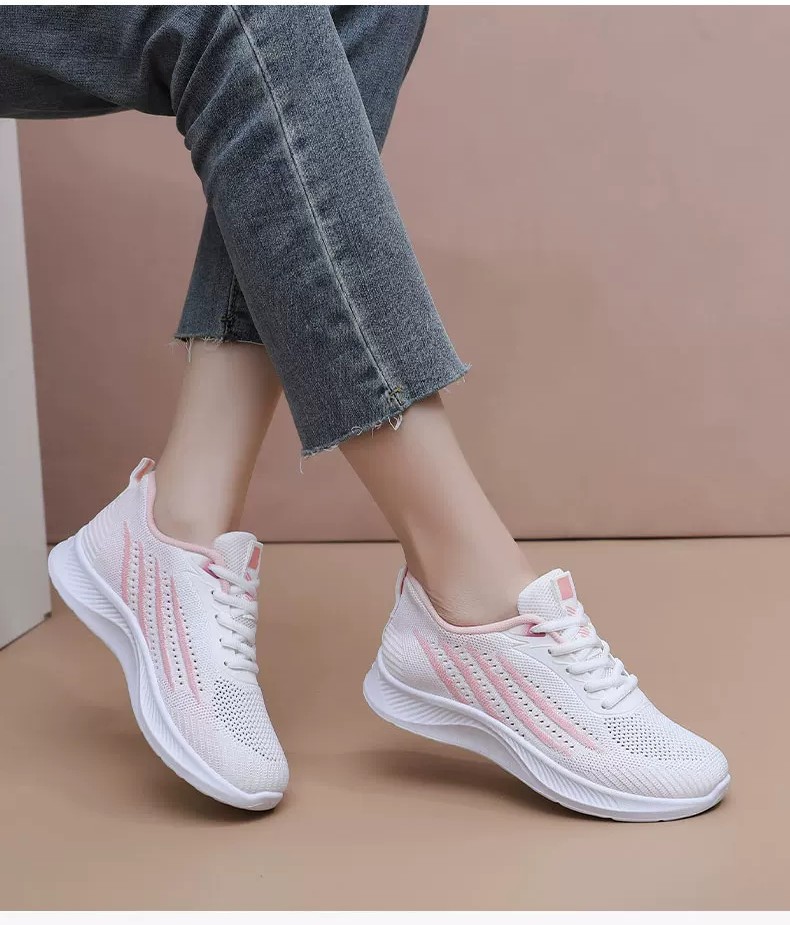
What changed my mind was a two-hour indoor test on a hard floor. No carpet, because carpet hides heel slip. After two hours there was no redness at the heel, no mark across the instep, and the toe clearance hadn’t translated into pressure. That’s the test I’d suggest for any lace-free pair: two hours, hard floor, socks you’d actually wear.
The dealbreaker I’d have walked away from: any sharp seam inside the collar, any synthetic lining that made my foot feel damp after twenty minutes, and any sole that felt like it was bending in the middle of the arch rather than at the ball of the foot. Those three are structural. Everything else is fixable.
Day three is where the truth shows up
A slip-on can pass a ten-minute fitting and still fail on the third day, because that’s when the upper has softened enough to reveal how it’s really going to behave.
- The heel starts to give. Leather softens with warmth and moisture, so a counter that was firm on day one may let your heel move 8mm by day three. If it does, that’s not break-in, that’s a fit that’s too big.
- The colour looks different in daylight. Indoor lighting is warmer than most people realise. A beige that looked elegant in the shop can look yellowish outdoors at 11am.
- The sole picks up a set. Cheap EVA takes a permanent compression under the ball of the foot and the heel. You’ll feel the shoe has “learned” your foot, which sounds nice and is actually a sign the foam is packing down early.
- The upper creases in the wrong place. Creases should line up with where your toes bend, roughly a third of the way along the shoe. Creases closer to the middle mean the shoe is too long.
If day three is worse than day one, return them. Don’t wait for day ten hoping it settles, because the return window is the only leverage you have. Most retailers give 14 to 30 days, and the pair has to come back unworn outdoors. Wear them indoors, keep the box, and keep the tissue paper if it came with any, because some returns are refused for missing packaging.
Three days. That’s the whole test. Everything before that is optimism.
One detail worth checking before you order: whether the return shipping is free for sale items. A lot of shops exclude discounted stock, which turns a 45-euro bargain into a 60-euro mistake if the fit is wrong.
And if you do send them back, photograph the soles before you post them. A pair worn indoors for three days still shows faint marks, and a photo taken on the day of return has settled more disputes over “worn outdoors” than any receipt. It takes fifteen seconds and it’s the difference between a refund and a store credit you’ll never use.
Cleaning beige without ruining it
If you keep them, this is the routine that works. Brush or wipe the dust off after every wear rather than once a week, because beige holds particles at the crease and they work their way into the finish. For smooth leather, a damp microfibre cloth and a pH-neutral leather soap once a month is enough. For canvas, a soft brush with a drop of mild detergent, then air dry away from heat.
Never put beige shoes on a radiator. Heat sets the yellowing in synthetic linings and can shrink a leather upper by half a size. Stuff them with newspaper and let them dry at room temperature for a full day. If the toe has gone grey, a melamine sponge used gently will lift most of it, but it also takes a little of the surface with it, so use it rarely.
For the elastic gussets, which are the part everyone forgets, a cotton bud dipped in warm water will lift the grey line that forms where the elastic meets the upper. Do it every couple of weeks and the shoe keeps looking new for a second season. Skip it and the gusset goes dark brown, which is the first detail that makes an otherwise clean pair look old.
And if the pair is a knit or textile, check whether the dye is certified before you buy. The OEKO-TEX standard covers exactly this: limits on the substances left in a finished textile, which matters for something pressed against your bare foot for eight hours. It’s not a marketing badge, it’s a test report.
The slip-on has been a plain, unglamorous shape for the better part of a century, and the reason is that when it fits, you forget about it. That’s the standard to hold it to. If you’re still thinking about your shoes at lunchtime on day two, the fit is wrong, and no styling will save it.
If you want to compare the shape against something with more structure, the sneakers range has lace-up options in the same neutral palette. Two that sit close to what’s described here are the soft leather sports pair at 48 euros and the 6cm platform in white and pink if you want the height without the heel. The women’s shoes index is the place to start if you’d rather see the whole neutral range side by side.
