

Thursday, 7:20 in the morning. Grey wool trousers, navy knit, coat on the hook, and one decision left. Black pumps would be safe. Brown would be better, if the brown were the right brown.
Here’s the short version before anything else: three pairs of dark brown dress shoes for women will cover nearly every outfit you wear from October through March. Not ten pairs. Three, at three heights, in three finishes. Get those right and you stop thinking about your feet at 4 p.m.
The rest of this piece is the reasoning behind that number, plus the checks that separate a pair you keep for five years from a pair you quietly stop wearing by February. If you already own one brown pair, read the section on colour first. That’s usually where the gaps are.
Three pairs, nine outfits: the maths behind it
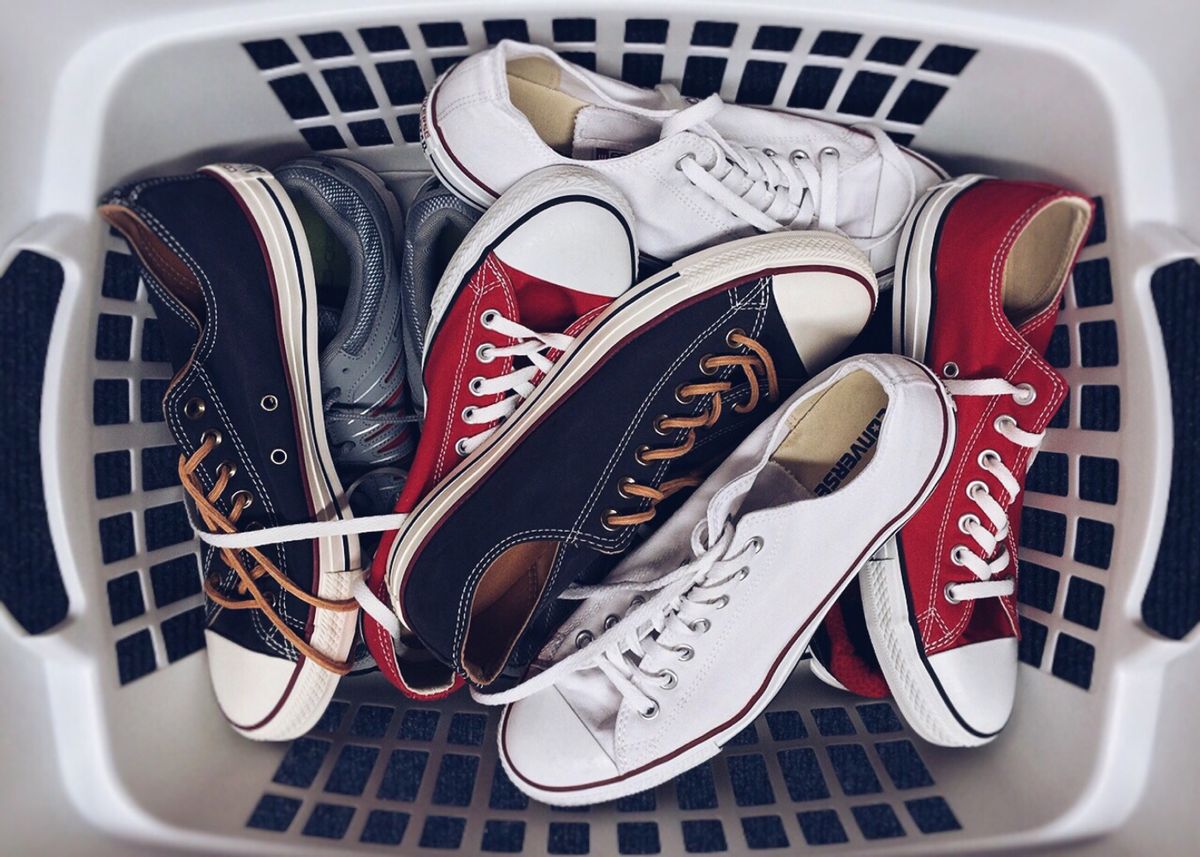
Nine outfits sounds like a marketing claim. It’s just multiplication. Three pairs, each working with three bottoms, gives you nine combinations, and that’s before you change the top. The constraint is that each pair has to be genuinely different from the others in height or finish, otherwise you’ve bought three versions of one shoe and the grid collapses.
Spread them like this:
- 25mm, smooth leather, closed toe. The daytime workhorse for trousers.
- 60mm, brown suede, pointed or almond toe. The evening and dinner pair.
- 45mm, ankle boot, grained leather. The cold-morning pair for tights and wide-leg trousers.
What you don’t need is a second smooth-leather pair in a slightly different shade, or a 75mm version of the suede pump. That’s how a shoe rack fills up while you still feel like you have nothing to wear. If two pairs pass the same outfit test, one of them is redundant.
One more rule before you buy anything: pick the brown family first, then the shoes. Cool greys and true navies want a brown with a little red in it, something in the chestnut range. Warm creams, camels and olive want chocolate or espresso. If your wardrobe is half cool and half warm, buy espresso first, because it reads neutral in both directions.
There’s a second reason three beats one. A single pair worn five days a week gets 250 wears a year, and leather needs a day between wears to dry out from the inside. Rotate three pairs and each one sees 80 wears a year, which is roughly how long a decent sole lasts before it wants attention. Same money, more years. That’s the whole argument for a capsule in one sentence.
Storage matters too, and it’s free to get right. Shoe trees in cedar, twenty seconds of effort, no plastic bags. Leather that dries against itself creases at the vamp, and the crease is what makes an expensive pair look tired before it’s worn out.
Pair one: the 25mm smooth-leather pair that does the office
This is the pair you’ll wear four days out of five, so it deserves the most thought. A 25mm heel with a slightly thicker sole is the height where a dress shoe still looks formal but your calf isn’t working all day.
Look at the sole before the upper. A dress sole of 8 to 10mm with a stitched welt will survive resoling, and resoling is the whole point of buying leather. Glued soles at this price point aren’t a scandal, they just have a shorter life. If you’re on your feet for a nine-hour day, though, consider a pair with a thin rubber insert under the ball of the foot. Nobody sees it and it changes how the last hour feels.
On colour: a dark brown loafer or derby with navy trousers looks more deliberate than black does. Black against navy reads corporate and slightly cold. Brown softens the join between the two, which is why so many stylists push it for autumn and winter offices.
What to skip in this slot: square toes, anything with a mirror shine, and mahogany that leans orange under shop lighting. Carry the shoe to a window before you pay. Fluorescent light flatters reddish browns, and that’s exactly the shade that looks cheap in daylight.
If your feet are flat or your arch collapses after an hour, a soft-soled commuter pair gives you more give in the shank. Our soft-soled commuter pair in black suede is cut on that principle, and the same last shape comes in brown tones. For a fuller breakdown of support without the medical look, this piece on dress shoes that work with flat feet goes deeper than I can here.
Toe shape does more for the look than price does. An almond or soft square toe flatters a wider forefoot and reads current for years. A sharp point elongates a narrow foot and pinches a wide one. Try both in the same colour before you decide; most people are surprised by which one they end up preferring in the mirror.
The lining is the part you’ll feel and nobody photographs. Full leather lining moulds to the foot within a month and doesn’t hold odour the way synthetic linings do. A half-lining saves money and is fine for a 60mm evening shoe. For the pair you’ll wear four days a week, pay for the lining.
Pair two: brown suede at 60mm, for the evenings you don’t plan
Suede is where brown dress shoes for women get interesting, because the nap changes the colour. Chocolate suede reads almost black at night and warm brown in the afternoon, which means one pair covers two moods.
Sixty millimetres is the number I’d defend hardest. At 50mm the shoe looks flat with a midi skirt. At 75mm you’re managing your posture instead of your conversation. Sixty gives you a visible lift and still lets you stand through a two-hour dinner without shifting weight from foot to foot.
The drawback is weather, and it’s real. Suede takes water marks, and once the nap flattens in one spot you’ll see it. Treat the pair before the first wear with a fluorocarbon-free protector, reapply every six to eight wears, and don’t wear them in slush. If you live somewhere with a wet winter, this is the pair to leave at home on rainy days, not the pair to gamble with.
Ankle straps are worth the extra ten seconds. On a 60mm pointed shoe the heel tends to slip if your heel is narrow, and a thin strap at the ankle fixes it without a visible buckle. Look for a strap that sits on the bone, not above it.
Style note that saves money: brown suede with black tights works, brown suede with sheer black denim works, and brown suede with a black leather skirt works. It’s the one brown that behaves like a neutral. Our pointed leather pair with a shallow vamp shows the toe shape that flatters most feet in this height.
Where this pair earns its place among dark brown dress shoes for women: it’s the only one of the three that can go straight from a 6 p.m. gallery opening to a 9 p.m. table without looking like you changed. Leather can’t do that as convincingly. The nap absorbs light, so the shoe reads softer under low lamps, and softer is what evenings want.
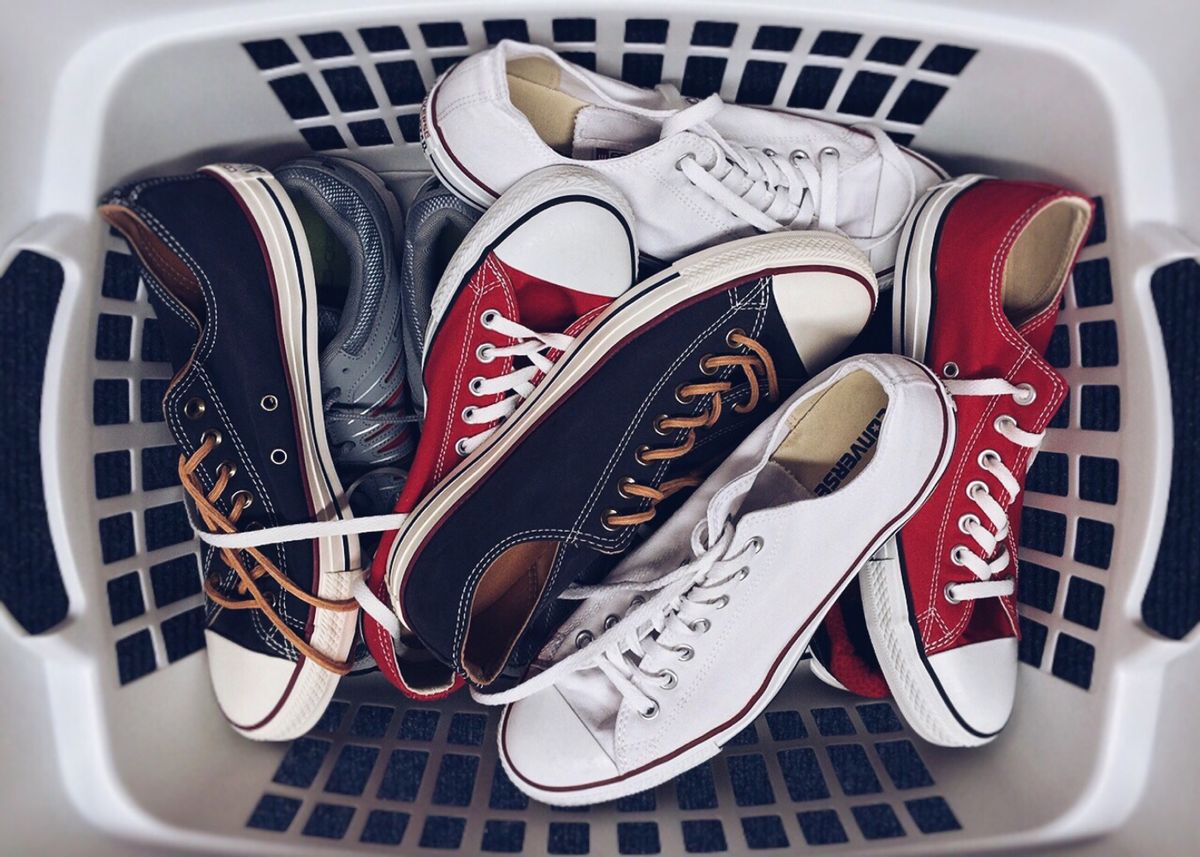
Budget check while you’re there: a resole on a welted pair costs a fraction of a new pair, and heel caps are cheaper still. A shoe that can be repaired twice will outlast three that can’t. If the brand can’t tell you whether the sole is stitched or glued, that’s your answer.
Pair three: the brown ankle boot for 8°C mornings
Between November and February there are mornings when a pump is simply the wrong tool. An ankle boot at 45mm handles those days, and it’s the pair that makes the capsule work in real weather rather than in a lookbook.
Two measurements decide whether a boot looks right with trousers. Shaft height between 90 and 110mm sits under a straight or wide-leg hem without a bulge. And the ankle opening should be narrow enough that your trouser hem rests on it instead of swallowing it. If the opening gapes, the boot will look like a work boot no matter what it cost.
Sole grip matters more than most buyers expect. A leather sole on a wet pavement at 8°C is a genuine hazard, and a thin rubber sole with a defined pattern costs nothing extra. Check the heel tap too; a worn tap after one season is the sound of a cheap heel block.
Grained leather wins here over smooth. It hides scuffs from car doors and desk drawers, and the texture reads less formal, which suits a boot anyway. Espresso or dark tan both work. Black boots exist for a reason, but if you already own black boots, this slot should stay brown.
Two fit notes for this slot. Wear the boot with the socks or tights you’ll actually use, because 40 denier tights change the fit of a boot more than most people expect. And if you plan to wear them with wide-leg trousers, take the trousers to the fitting. Half a centimetre of hem width changes whether the boot reads intentional or accidental.
Proportion, quickly: a 45mm boot under a midi skirt needs a skirt that ends between mid-calf and just below the knee. Shorter than that and the boot eats the leg line. Longer and you get a solid block of fabric from waist to floor.
Heel shape changes the whole character of a boot. A block heel at 45mm reads practical and stable on wet pavements. A tapered or Cuban heel of the same height reads sharper and is genuinely worse on cobbles. Neither is wrong. Just don’t buy the sharper heel and then complain about balance, because the shape was the trade.
The nine outfits, written out
Here’s the grid in plain language, so you can check it against your own wardrobe before spending anything.
- Grey flannel trousers, cream knit, 25mm leather.
- Navy wide-leg trousers, striped shirt, 25mm leather.
- Charcoal midi skirt, black turtleneck, 25mm leather.
- Black slip skirt, grey blazer, 60mm suede.
- Dark denim, silk camisole, 60mm suede.
- Black midi dress, 60mm suede.
- Grey trousers, chunky cardigan, 45mm boot.
- Brown checked trousers, black roll neck, 45mm boot.
- Black tights, wool mini skirt, 45mm boot.
Nine combinations, one belt colour, one bag. If you change the belt to black for two of those outfits, that’s fine, brown and black mixing has been acceptable for a decade now. What doesn’t work is brown shoes, brown belt, brown bag in three different browns. Pick one leather family and let the shoes lead.
Read the list as three clusters rather than nine separate looks. The first three are your Monday-to-Thursday uniform with different tops. The middle three are for evenings, dinners and anything with a glass of wine in it. The last three are cold weather, and they’re the ones that let the capsule survive January.
The most common mistake in this grid is width, not colour. A boot with a wide shaft under a straight trouser creates a visible ledge at the ankle. Try the same outfit with the trouser hem sitting 15mm above the boot opening, then 15mm below it, and you’ll see the difference immediately.
If one of the nine feels wrong on you, don’t replace the shoes. Usually it’s the trouser break or the skirt length doing the damage.
There’s a way to test this grid without buying anything. Pull three bottoms out of your wardrobe, the ones you reach for most, and lay them on the bed with the shoes you already own. Whatever combination leaves a gap is the pair you actually need. Most people find the gap is at the boot, not at the pump.
The colour trap nobody mentions
Most brown dress shoes for women fail on colour matching, not on fit. The shoe is fine, the wardrobe is fine, and the two don’t speak to each other.
Three rules cover it. Red-brown and chestnut work with navy, grey and denim. Chocolate and espresso work with cream, camel, olive and black. Tan and cognac are the hardest to place, because they want warm neutrals and most offices are built around cool ones. Tan is a weekend shoe pretending to be a work shoe.
Dye lots also differ between pairs from the same brand. Two browns bought six months apart will not match, and that’s normal rather than a defect. If matching matters to you, buy the belt at the same time.
Leather and suede are also graded and certified differently, and the finish tells you a lot about how the colour will age. The OEKO-TEX testing standards for leather goods are a reasonable baseline for what a label should be able to prove about dyes and finishes. For the underlying construction vocabulary, the reference entry on dress shoe construction covers welts and lasts better than most brand pages do.
Mixing brown and black has a rule that’s easier to feel than to explain: the darker of the two should be the shoe, or the gap between them should be obvious. A near-black brown against true black looks like a mistake. Espresso against black looks intentional. Chestnut against black looks like a choice.
There’s a quick test for colour temperature. Hold the shoe next to a plain white sheet of paper in daylight. If the brown looks slightly pink or orange, it’s warm. If it looks slightly green or grey, it’s cool. Warm browns go with cream, camel, rust and olive. Cool browns go with grey, navy, charcoal and icy blue. Neither is better. They just don’t swap.
And a small thing worth knowing: brown leather darkens with conditioner and lightens with sun. A pair that looks too light in the shop will usually settle a shade darker after two months of wear and one treatment.
If you’re choosing between two pairs of dark brown dress shoes for women and only the shade differs, pick the one that matches the bag you carry most. Bags are harder to replace than shoes, and a wardrobe follows its accessories more than it admits.
Ninety seconds at the store
You can rule out a bad pair faster than a shop assistant can find your size. Five checks, in this order.
- Pinch the heel counter. It should resist your thumb. If it folds, the shoe will collapse inward within a month.
- Press the toe box. You want about 5mm of clearance past your longest toe with your heel against the back.
- Find the flex point. Bend the shoe where your foot bends, roughly a third of the way back. If the bend sits behind your toes, the shoe will fight every step.
- Weigh it in your hand. Above roughly 400g per shoe, a 25mm pair is overbuilt for office wear.
- Walk 20 paces on a hard floor. Listen for heel slip. Feel for pressure at the top of your arch.
Do this in the afternoon if you can. Feet swell by up to half a size over a day, and a shoe that fits at 10 a.m. can be a different shoe at 6 p.m.
One honest note on breaking in: real leather dress shoes need 8 to 12 wears before they stop announcing themselves. Suede needs about half that. If a pair is painful on day one in a way that feels structural, more wearing won’t fix it. Return it.
Buy the espresso pair first if you can only buy one. It’s the one that works with black tights on Monday and cream knit on Friday, and it’s the pair you’ll still be wearing when the trend cycle has moved on twice. Browse the wider women’s shoes collection if you want to see how the brown tones compare side by side, or start with the heeled dress options and work backwards from the height you’ll actually wear. The pair that suits your Tuesday is worth more than the pair that suits a photograph.
