

A woman walked into a shop I was working in last October, tried on a pair of pale blue suede heels, and asked the question I hear almost every week: “Will these survive my cat?”
The honest answer is no, not untouched. But the useful answer is more interesting, and it’s the one I’ll give you here. Blue suede shoes for women are not fragile in the way people fear. They’re just unforgiving about one specific thing: hair and lint in the nap, and what happens when you try to clean it off badly.
So let’s do this in the order I’d actually do it, starting with the test I’d run before any money changes hands.
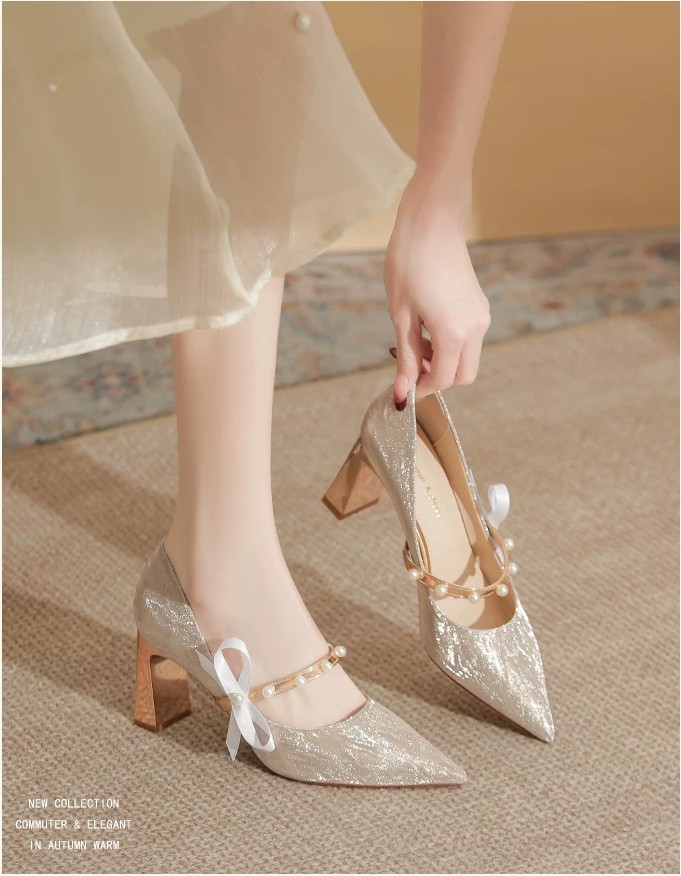
The three-minute test I’d run in any shop
Before fit, before price, do this. Take the shoe to a window, hold it at about 45 degrees to the light, and rub the nap against the grain with your thumb. Two things happen, and both tell you something.
First, the colour shifts. Suede looks lighter when you push the nap the wrong way. If the shift is dramatic, that shoe will show every fingerprint and every pass of a brush. Second, look at your thumb. A dry thumb after rubbing decent suede is normal. A thumb with blue dye on it means the finish is loose, and loose dye means rain will move it.
Then the actual pet test. Ask for a scrap of tissue, tear it into small pieces, and drop them onto the shoe from 20cm. Blow once, gently, from the side. Whatever stays on the surface after one blow is what a cat’s undercoat will do to that shoe on a Tuesday morning.
Most pairs fail that test in a mild way. That’s fine. It means you’ll own a clothes brush and use it, and the shoe will still be wearable for years.
The other thing I check in a shop is how the suede was cut. Look at the inside edge of the heel and the top line. A clean, thin edge means the leather was split properly. A fuzzy, thick edge with visible backing means a bonded split, and bonded splits peel at the edge within a year, usually right where your ankle rubs. Nobody will point this out to you at the till, and it’s the single fastest way to spot a pair that won’t age.
If the shop won’t let you touch the shoe with a dry thumb, walk out. No pair is good enough to buy blind.
Why hair loves suede and slides off leather
Suede is leather with the grain sanded, which leaves a surface of tiny open fibres standing up. Pet hair has scales along its length, like a very small fish. Two scaled surfaces pressed together catch. That’s the entire mechanism, and it’s why the same cat that ignores your smooth leather pumps will leave a grey halo on blue suede in one sitting.
The fibre density also matters. Cheap suede is sanded thin and has a short, sparse nap, so hair works down to the base and you can’t lift it. Better suede has a denser, springier nap, and hair sits on top where a brush can get under it. You can feel the difference with your palm: dense suede pushes back, thin suede just feels flat.
The flip side, and this is the part buyers underestimate: that same open surface releases hair more easily than a woven fabric does. Hair on wool trousers has to be picked out. Hair on suede sits on the fibres and flicks off with two brush strokes. The problem isn’t adhesion, it’s that people panic, reach for tape, and flatten the nap while the hair was already half-loose.
Humidity changes the equation too. On a damp morning the fibres swell and grip harder, so a cat that slept on the shoe overnight leaves a mark you can see before you’ve had coffee. Brush it dry, not damp. Damp brushing on swollen fibres stretches them, and stretched fibres don’t spring back.
One more factor: static. Synthetic carpets and dry indoor air charge both the suede and the hair, and opposite charges attract. A humidifier in the room where you keep your shoes does more for lint than any product on the shelf.
None of this is a reason to avoid suede. It’s a reason to know which kind of pet owner you are before you pick the colour.
There’s also a finishing question behind all of this, and it decides how the colour behaves long after the hair is gone. The OEKO-TEX testing standards for leather and suede cover dyes and finishing agents, which is exactly what governs whether a blue suede bleeds onto a cream skirt in July. Ask a brand what its leather is certified to. The good ones answer without blinking.
If you want the technical background on how split leather becomes suede, the reference entry on suede and its nap structure explains the sanding process better than most product pages do. It’s also a useful reminder that the nap is a deliberate finish, not a flaw.
Blue is the least forgiving colour, and that’s the trade
Nobody needs to be told that navy or grey suede hides hair. Blue suede, especially the pale and mid blues, sits in the worst possible contrast band: light enough that dark hair shows, saturated enough that white hair shows. You get both. A black cat and a cream cat will each leave a signature.
And yet blue suede shoes for women keep selling, season after season, because the colour does something no neutral can. It lifts denim. It makes a plain white shirt look styled. On a grey January day a pair of cobalt suede heels is the only colour in the outfit, and that’s worth a brush.
My rule of thumb, after watching a lot of returns: if you own two or more shedding animals, buy blue suede in a darker tone, something closer to teal or ink. Those two shades hide hair at roughly the rate navy does while keeping most of the colour impact. Pale ice blue is for people with short-haired cats or no pets at all.
There’s a second colour issue that shows up on blue specifically. Dye lots move. Two pairs of the same style bought three months apart will read as two different blues under office lighting, one slightly more violet, one slightly greener. If you’re buying a replacement for a pair you love, expect a shift, and don’t be surprised if the new one is the better blue.
Also worth knowing: blue suede fades at the toe before anywhere else, because that’s where the nap gets rubbed in one direction all day. A pair two years old will have a lighter toe box. Most people read that as patina. Some read it as damage. Decide which camp you’re in before you spend the money.
Four combinations that work, and one that doesn’t
Styling matters here because blue suede is a strong colour and most people either over-match it or treat it as a neutral and wonder why it looks off.
- Mid blue with raw denim. Same family, different depth. The safest pairing there is.
- Cobalt with cream or oatmeal. Warm neutral against cool blue. This is the one that photographs best.
- Pale blue with charcoal trousers. Cool on cool, and it keeps the shoe looking deliberate rather than sweet.
- Blue suede with black tights and a black skirt. Works if the heel is slim. Looks heavy if the heel is a block.
What doesn’t work: three blues at once. Blue suede shoes, a blue dress and a blue bag in different shades reads as an accident. Two is the limit, and one of them should be denim.
Hem length does more work than people expect with a coloured shoe. With a midi skirt, the hem should break 60 to 80mm above the top of the shoe, which leaves a small strip of ankle and stops the outfit looking like boots. With cropped trousers, anything from 10mm to 30mm of ankle is enough. Full-length trousers over a blue suede pump usually mean you bought a shoe nobody will see.
One more pairing that surprises people: olive. Blue suede against olive green is the most under-used combination in autumn dressing, and it’s the one that makes a mid-blue pair look expensive rather than cute.
Socks and tights are the quiet variable. With a 60mm shoe and a midi skirt, 40 denier black tights make the shoe read dressy. Opaque 80 denier makes it read like winter. Neither is wrong, but they’re different outfits, and only one of them is what you wanted when you bought a blue shoe in the first place.
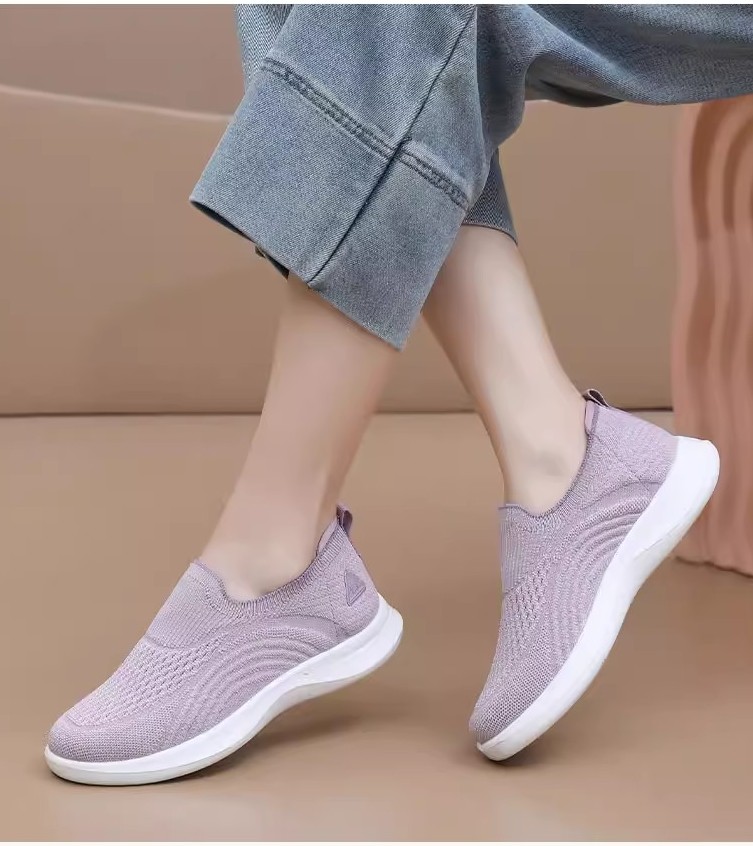
Fit: the 60mm question and the 5mm that decides it
Heel height gets all the attention and almost none of the decision. The number that matters is the width at the ball of the foot.
Most women’s suede pumps are built on a last that runs narrow through the forefoot. Suede stretches about 2mm across the width in the first month, then stops. Leather stretches more and keeps going. So if a suede pump pinches at the ball in the shop, size up half, because it will not give you the extra room later.
Sixty millimetres is the height I’d pick for a shoe you’ll wear to dinner and then walk home in. At 75mm the pitch starts loading the ball of the foot hard, and suede has less give than leather under that load. At 50mm, a pointed blue suede shoe looks flat with a midi skirt. Sixty hits the balance.
Check the heel counter with your thumb as well. It should hold its shape. Blue suede with a soft counter will crease into a fold at the back within six weeks, and that fold is where the hair collects and where the colour fades first.
The 5mm is toe clearance. With your heel pressed to the back, you want about 5mm past your longest toe, measured standing, not sitting. Suede gives a small amount lengthways, so 3mm will feel tight by the end of a long day. If you’re between sizes, size up on a pointed toe and stay put on an almond one.
If you want a pair that already solves the slip problem, our soft-soled suede commuter pair is built with a narrower heel grip, and the same last comes in blue tones most seasons.
Ankle straps are worth the ten seconds they cost. On a 60mm heel with a narrow heel bone, the shoe will slip no matter what size you buy. A thin strap sitting on the ankle bone fixes it. One sitting above the bone will rub through a sock in an afternoon.
Getting hair out without wrecking the nap
This is where most pairs get ruined, and it’s almost never the pet’s fault.
Sticky tape is the wrong tool. It lifts some hair and pulls the nap flat in a patch, and a flattened patch on blue suede shows as a dark shiny spot that no brush will fix. Brushing with a stiff bristle brush is the second wrong tool, because it drags hair deeper into the fibres instead of lifting it out.
What works, in order:
- A suede brush with brass or stiff nylon bristles, used dry and in one direction. Short strokes. This lifts the nap and flicks hair loose.
- A suede eraser or crepe rubber block for the matted spots. Rub, don’t scrub.
- Lint roller with a light touch for the last pass on the surface, never pressed hard.
- Rubber gloves, damp, dragged one way. The cheapest tool in the drawer and it works better than most of what’s sold for the job.
A note on water: suede and water are not enemies if the water is brief and the drying is slow. A damp cloth at the end of the day, then air drying away from a radiator, is fine. What kills the nap is heat. A radiator or a hairdryer sets the fibres flat permanently.
Order matters more than products. Brush first, eraser second, roller last. Doing it backwards pushes loose hair into the nap and then you’re fighting the shoe instead of the hair.
One habit that saves the nap entirely: brush the shoes the moment you take them off, not the next morning. Hair that’s been pressed in overnight by another shoe or a bag is twice the work. Thirty seconds at the door beats ten minutes at the weekend.
If your pair gets soaked, stuff it with newspaper, change the paper after an hour, and let it dry for 24 hours. That’s it. Our retro suede single-sole pair responds to that routine well, because the nap is dense enough to recover its direction.
Wet pavements, dogs, and the 6 p.m. walk
Here’s the scenario nobody plans for. You wear the blue suede to work, it’s dry, and at 6 p.m. it’s raining and the dog needs a walk. You go. The shoes come back with a water line 8mm up from the sole and a smear of mud on the toe.
Two things save you. A protector spray applied before the first wear, reapplied every six to eight wears, gives you roughly ten minutes of light rain before the nap starts absorbing. And a pair of foldable flats in your bag costs nothing and weighs 200g.
The mud is easier than the water line. Let it dry completely, then brush it off with the brass brush. Rubbing wet mud into suede is the one mistake that can’t be undone.
For the walk itself, if your dog pulls and your route involves grass, this isn’t the shoe. Blue suede on wet grass is a 20-minute detour from a nice pair of shoes to a pair you keep for dry days only.
Unlined suede dries faster than lined suede, which sounds like a technicality until you’ve owned both. A lined pair holds water against the inside of the upper for hours longer. If you live somewhere with proper weather and still want suede, ask whether the pair is lined, and prefer the unlined version for anything you’ll wear outdoors.
Soles get forgotten in this conversation. A leather sole on a wet pavement is a slip risk, and blue suede with a leather sole is the combination that ends up in a cobbler’s bin every February. A thin rubber sole costs little and keeps the shoe in the rotation from October to March.
Keep a cotton bag in your work bag for the walk home. Not a plastic one, because trapped moisture is what turns one wet evening into a permanent water line.
When I’d tell you to buy leather instead
I’ve talked a lot of people out of suede, and it’s usually the right call. Buy leather if any of these apply.
- You wear the same pair more than three times a week.
- Your commute involves 15 minutes on foot in a city that rains.
- You have a long-haired dog that sleeps on the bed.
- You want one pair to cover both office and evening.
Suede is a rotation shoe, not a workhorse. If you need one pair to do everything, a smooth leather pump in a deep tone will outlast it two to one and ask for less attention. The trade you’re making is character for durability, and character is a real thing. Just make it knowingly.
What I’d never tell you is that cheaper suede is the same as better suede with a lower price. The nap is thinner, the dye is less fixed and the lining is usually synthetic. That pair will look tired by month four, and the hair will have worked into the base where you can’t reach it.
There’s a middle path that more people should take: buy one pair of blue suede you love and one pair of navy leather you can abuse. The leather pair handles the wet commute and the three-times-a-week wear. The suede pair handles the evenings and the days you want to look like you tried. Two pairs, both used, neither worn out early.
And if you only ever buy one blue pair, buy it in spring. That’s when the suede selections are widest and the sizes are still there.
A final word on price, since it’s the question everyone asks quietly. Above a certain point you’re paying for the nap and the last shape, not for a logo. Below that point you’re paying for glue and a synthetic lining. The useful question isn’t what the pair costs, it’s whether the suede has enough body to be brushed a hundred times without going bald.
The Sunday five-minute routine
This is the whole maintenance schedule, and it works.
Brush the nap in one direction, from heel to toe, for about a minute per shoe. Wipe the sole edge with a damp cloth. Check the heel tap for wear, because a worn tap on a suede heel is the thing that makes the shoe look neglected long before the upper does. Then spray protector if it’s been six wears or more, and put in the shoe trees.
That’s five minutes, once a week, and it’s the difference between a pair that lasts three winters and a pair that lasts one. Suede doesn’t need much. It needs consistency.
Store them in the dust bags, not on a shelf where sunlight hits. Blue dye is the most light-sensitive of the common suede colours, and a pair left in a bright window will fade unevenly within a season. You’ll see it first on the toe of the right shoe, the one facing the glass.
If the nap goes shiny in one spot and brushing won’t bring it back, that’s the end of the line. Nothing on the market restores flattened suede fibres, and the products that claim to will only darken the patch. At that point the honest move is a cobbler, or a new pair.
If you’re weighing a first pair, start with the heeled suede options in the shop and check the nap with your thumb before anything else. The wider women’s shoes range is worth a look too if you want to see how the blues compare against navy and grey in the same light. And if you’ve already fought the wet-week battle, this piece on what suede slip-ons survive in a wet week goes into weather in more detail than I did here.
One last thing. The woman with the cat bought the mid-blue pair, not the pale one. She brushes them on Sundays, keeps them in the bag, and wears them about twice a week. Eighteen months on, they still look like new shoes. The nap is the thing you keep, not the colour.
