

Your usual size 7 fits everywhere except across the ball of your foot. Twenty minutes into a walk, the outside of your little toe goes numb, and by the time you get home there’s a red line where the upper meets the sole. So you order a wide walking shoe, it arrives, and it’s loose at the heel and still tight at the toe.
That’s not bad luck. Most wide walking shoes for women are graded badly, and the heel-to-toe relationship is usually where it falls apart.
Here’s what’s actually going on, what the width letters mean in millimetres, and the four checks that separate a genuinely wide shoe from a shoe that’s just been made bigger everywhere.
What “wide” means in millimetres, not letters
In US women’s sizing, a standard width is marked B. Wide is D, extra wide is EE, and there’s a narrow AA on the other side. Those letters sound precise. They aren’t.
There’s no enforced standard. One brand’s D can measure 95mm across the ball at size 7, another brand’s D can measure 101mm. Six millimetres is roughly half a size in length, and it’s the difference between comfortable and bruising. This is why a wide from one label fits and a wide from another doesn’t, and why reviews are useless on this point.
What you can rely on is the ratio. Across most women’s lasts, moving from B to D adds somewhere between 5mm and 8mm at the widest point of the ball, and very little anywhere else. That last part matters more than the number.
If you want the background on how the sizing systems diverged in the first place, the history of shoe sizing explains why nothing lines up across borders.
Where the width grading goes wrong
When a factory makes a wide version of a shoe, the cheap method is to scale the whole last outward. The upper gets wider at the ball, but it also gets wider at the heel, wider at the instep, and taller in the vamp. The shoe is bigger, not wider where you needed it.
The expensive method is to keep the heel and waist locked and add volume only through the forefoot. That gives you room at the toes and a heel that still holds. Very few budget walking shoes are built this way, and you can usually feel the difference in ten seconds.
The giveaway is heel slip. Put the shoe on, lace it normally, and walk five steps. If your heel lifts more than about 6mm, the shoe was scaled, not graded. You’ll spend the next six months tightening the laces until the top of your foot aches.
Second giveaway: the arch. On a properly graded wide last, the arch support stays in the same place relative to your foot. On a scaled last, the arch drifts outward and ends up under the wrong part of your foot, which feels like a pebble you can’t remove.
Third: the toe box height. Width isn’t just side to side. If the top of the box presses on your big toe joint when you stand up, the shoe is too shallow, and no width letter fixes that. This is the same problem that shows up in shoes with a high vamp and a badly placed seam, and it’s worth reading if you keep getting pressure on the top of your foot.
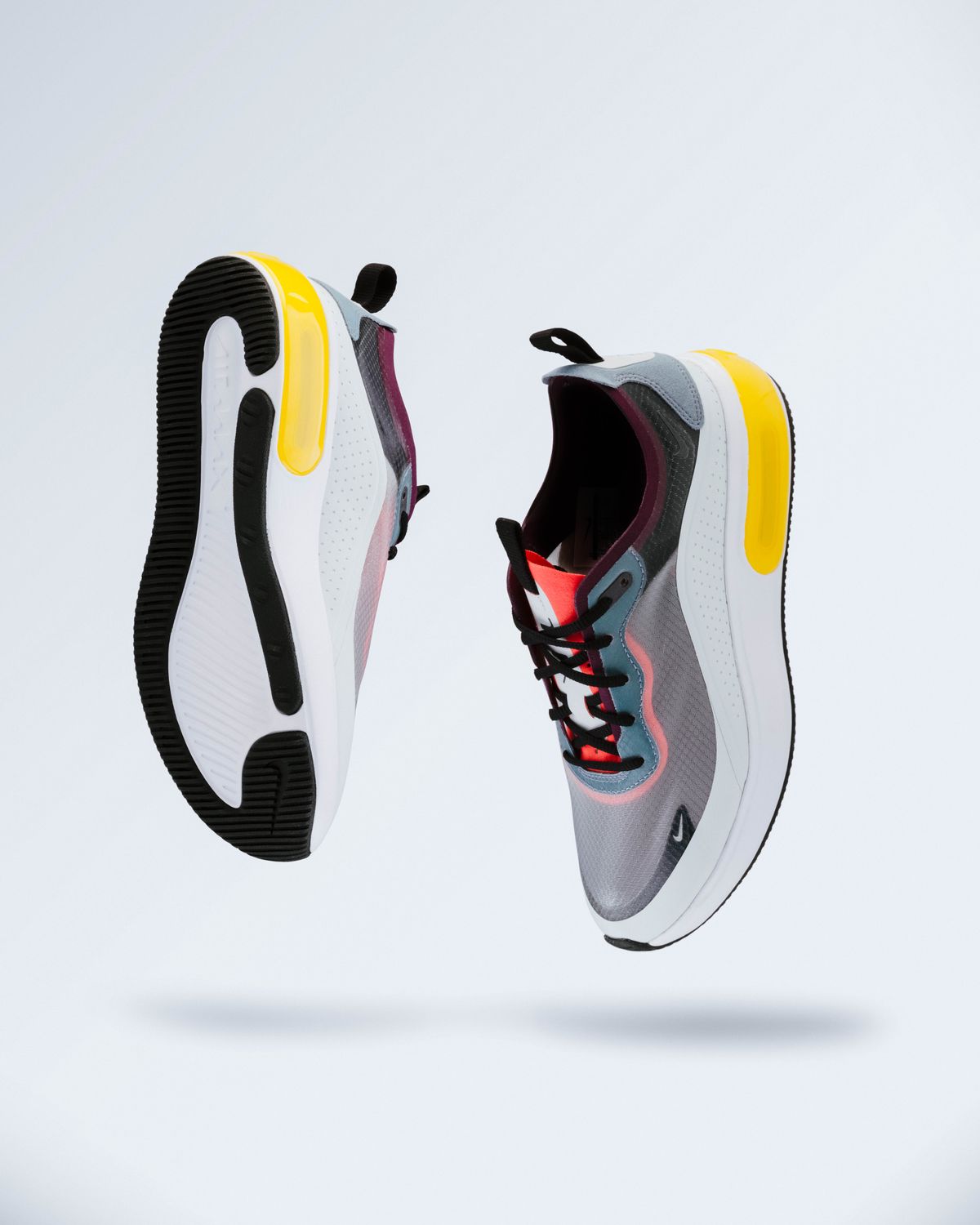
The 60-second test in the shop
You don’t need a Brannock device. You need a piece of paper, a pen, and sixty seconds.
- Stand on the paper in the socks you’ll actually wear. Trace the outline of your foot.
- Measure the widest point across the ball in millimetres. That number is your real width.
- Put the shoe on and press your thumb against the upper at the widest point. You want 6mm to 8mm of give, not 15mm.
- Stand up and wiggle your toes. If the little toe is being pushed inward, walk away.
Most women I’ve asked guess their width wrong by a full letter. They buy D when they need EE, or they buy D when their real issue is toe box height rather than width at all.
That last case is common. A shoe with a wide, rounded toe box and a standard B width will often fit better than a true D with a shallow, tapered toe. Shape beats the letter on the box.
If you’re between widths
Between sizes is the normal state of affairs, and it’s manageable. Two adjustments get you most of the way.
The first is lacing. Skip the second eyelet from the top on both sides. That opens the forefoot without loosening the heel, and it’s the single most useful thing you can do with a shoe that’s a touch too narrow. Try it before you decide to send anything back.
The second is the insole. Pull out the factory insole and replace it with a thin flat one. That buys you 2mm to 3mm of vertical room, which is often what a pressing toe box actually needs. Don’t add a thick cushioned insole to a tight shoe, whatever the shop assistant suggests.
Socks matter more than people admit. A thin merino sock can be 1.5mm thick, a cushioned cotton trainer sock can be 4mm. That’s a full width letter’s worth of difference, sitting in your drawer. If a shoe is marginal, test it with the thinner sock rather than the thicker one.
And if you’re between a D and an EE, buy the EE. Wide shoes that are slightly too wide can be fixed with a thicker sock or a heel grip. Shoes that are slightly too narrow cannot be fixed at all.
Wide doesn’t have to look like a boat
The old complaint about wide walking shoes for women is that they look orthopaedic. That was true when the only option was a white leather walker with a rocker sole. It’s much less true now.
Three shapes keep a wide shoe looking normal. A rounded toe with a low profile. A dark upper, which hides volume. And a sole that’s wider than the upper, because the extra footprint reads as stability rather than bulk.
What kills the look is a high, chunky midsole combined with a pale upper. That combination exaggerates the width from every angle. If you care about how they look, go darker and flatter.
There’s a legitimate trade-off here. The most comfortable wide walking shoes tend to have the widest platform, and the widest platform is the least discreet. You’re choosing between looking tidy and walking 12,000 steps without thinking about your feet. Most people end up with two pairs eventually.
When the problem is your foot, not the shoe
Worth saying plainly. If your wide fit has developed over the last two years rather than being lifelong, the shoe isn’t the issue. A bunion, a fallen arch or a changing gait will all widen the forefoot, and buying wider shoes treats the symptom.
Bunions are the most common cause in women over 40, and they’re progressive. A wide shoe buys comfort now. It doesn’t stop the joint from changing shape.
That doesn’t mean don’t buy the shoes. It means buy them and also get the foot looked at, because the pair that fits in March may not fit in October. People who ignore this end up replacing wide walking shoes twice a year and blaming the brands.
One thing I’d push back on: the idea that you should “break in” a tight shoe. Leather gives a little. Mesh gives almost nothing. If a wide walking shoe is pinching at the ball on day one, it will still pinch at week six.
Wide walking shoes for a full day on your feet
A shop try-on tells you about fit. It tells you nothing about hour six. If you’re buying these for a job that keeps you standing, or for a trip where you’ll be walking 15,000 steps a day, run the shoe through a longer test at home before the return window closes.
Wear them indoors for two hours on a hard floor. Carpet is too forgiving, and most of the complaints I hear start on tile or pavement. Then walk up and down a flight of stairs ten times. Stairs are where a wide shoe with a drifting arch reveals itself, because that’s when your foot slides forward and the toe box gets loaded.
If they survive both, take them outside for 40 minutes. That’s the number that matters. Most width problems show up between minute 25 and minute 45, once the foot swells and settles.
Three things to watch for at that point:
- A hot spot on the outside of the little toe, which means the forefoot is still too narrow.
- Pressure across the top of the foot near the laces, which means the shoe is too shallow rather than too narrow.
- A dull ache under the arch, which is the classic sign of a scaled last rather than a graded one.
Any of the three, and you send them back. All three clear, and you’ve got a pair that will hold for a year of real use.
And do the test with the socks you’ll actually wear to work. Testing a wide walking shoe in bare feet and then wearing it with a 4mm trainer sock is how people end up convinced the shoe shrank.
What to check before you order online
Online shopping for wide shoes is a gamble, so reduce the variables. Order two widths of the same shoe if the shop allows it, try both on carpet for an hour, and send back the loser. Two returns are cheaper than one pair you resent.
Read the size chart, but read the reviews for width comments specifically. Search the page for the word “wide” and see whether people say it runs true. Three reviews saying “not actually wide” is a stronger signal than forty saying “love them”.
Also check the return window in days, not weeks. A wide shoe that feels fine standing still can turn on you at the 40-minute mark, and 40 minutes is not a shop try-on.
If you want a starting point that isn’t a medical-looking walker, the breathable board shoes with the thick sole run roomier through the forefoot than their shape suggests, and the flat sole keeps the profile low. They won’t suit a very wide foot in a heavy sock, and they aren’t a substitute for a properly graded last, but for a marginal width they’re a reasonable first try.
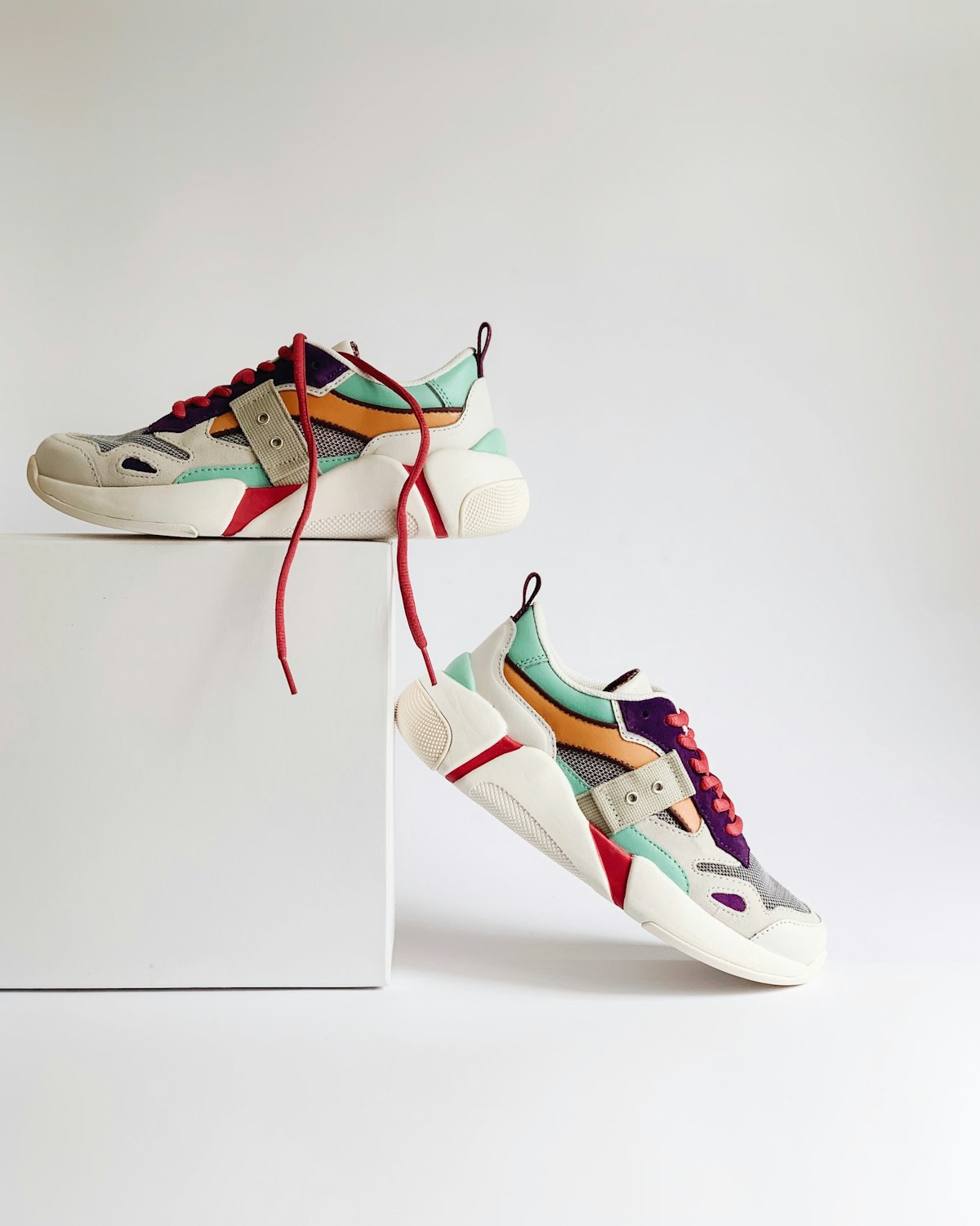
The honest limit of a wide shoe
A wide walking shoe solves one problem: pressure at the widest part of your foot. It does not solve heel pain, it does not fix an overpronating gait, and it doesn’t make a badly cushioned sole comfortable.
So be specific about what you’re buying it for. If the pain is under your heel first thing in the morning, width is the wrong lever, and the piece on a discounted pair I regretted buying covers that mistake in detail.
If the pain is across the ball, or the little toe is going numb, width is exactly the right lever. Buy wide, buy rounded at the toe, buy the darker colour, and check the heel doesn’t slip. Then walk 7000 steps in them before you take the tags off the second pair.
Start with the measurement. Trace your foot tonight, write the number on your phone, and take it shopping. It’s the only figure in this whole process that doesn’t lie to you. When you know your real width in millimetres, the letter on the box becomes a rough guide rather than a promise, and you stop buying shoes that fit everywhere except the one place that hurts. Have a look through the walking shoes section with that number in hand.
One last note on the alternative. If your feet are wide but not enormous, and the issue is mainly volume rather than width, a leather sports shoe cut narrow through the waist will still be the wrong choice. Volume you can fix with lacing. Width you can’t.
