

You bought pink heels for one outfit. A wedding, a birthday, a dress that needed something softer than black. The shoes arrived, you wore them once, and now they sit at the back of the wardrobe because nothing else in your closet knows what to do with them.
That’s not a pink problem. It’s a shade problem. Pink covers everything from a pale shell to a saturated magenta, and two shoes in the same product category can behave like completely different colours on your foot. Pick the right one and pink becomes the pair you reach for on a Tuesday.
Here’s how to tell which pink you’re actually buying, and what to do with it once it arrives.
The pink in the photo is not the pink in the box
Pink is the shade most likely to disappoint online, and the reason is technical. Pink sits between red and violet and has no fixed wavelength, which is why it has more named shades than almost any other colour. Pale pinks sit close to white, so a phone camera’s automatic exposure pushes them lighter and cooler than reality. Saturated pinks blow out the red channel and lose depth. Either way the listing looks brighter than the pair on your foot.
Two habits fix most of this. First, look for a photo of the shoe worn by a person in daylight, not the studio shot on white. Second, read the colour name carefully. “Blush” and “baby pink” are not interchangeable, and neither is “rose” or “dusty pink.” A shop using all four words for the same shoe is telling you the copy was written by someone who never opened the box.
If you can only see one image, assume the real pair is a shade deeper and slightly warmer. That guess is right more often than not.
Six pinks, sorted by how often you’ll actually wear them
The practical question isn’t which pink is prettiest. It’s which pink works with the clothes you already own. Sorted from most wearable to least:
Blush. A pale pink with a touch of beige, close to the colour of a plaster wall. It behaves like a nude, which means it goes with everything a nude goes with and forgives a slightly-too-dark pair of tights. This is the one to buy first.
Dusty rose. Blush with grey mixed in. Slightly muted, slightly vintage, and the most forgiving pink on pale skin. It also hides scuffs better than any pale shade, which matters more than people admit.
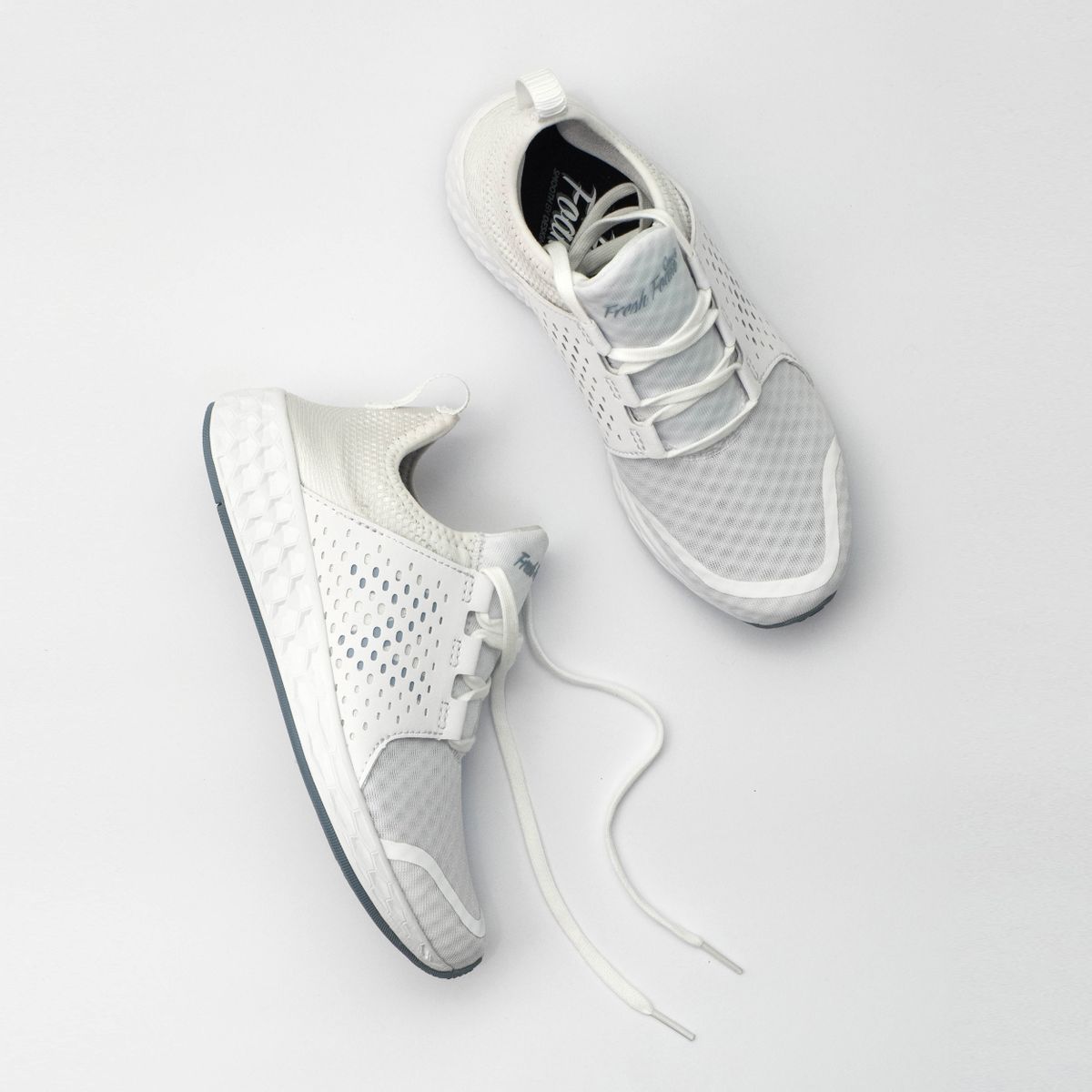
Baby pink. Cooler and lighter than blush, with a hint of lilac. It’s the shade everyone pictures when they hear “pink heels,” and it’s the one that most often looks like a costume on adults. Lovely in a flat or a kitten heel; harder in a 100mm stiletto.
Rose. A true mid-pink, neither pale nor loud. Rose is the most versatile shade for evening because it holds up under warm restaurant light instead of turning orange.
Fuchsia. Saturated, cool, almost purple at the edges. This is a statement shoe and should be treated as one. One fuchsia element per outfit, maximum.
Hot pink and magenta. The loudest end of the range. Great with denim and white, brutal with anything printed. Buy these when you already know what you’ll wear them with.
If you want a rule: the paler the pink, the more often you’ll wear it. The brighter the pink, the more specific the outfit has to be.
What pink heels go with, and the one pairing to skip
Pink’s reputation for being difficult comes from one bad habit: wearing it with other pinks that don’t match. Two pinks in the same outfit only work if they’re clearly related (blush and rose) or clearly opposed (pale pink and deep magenta). Anything in between looks like a mistake.
Pairings that hold up:
- Pink and denim. The easiest combination in the book. Light wash, white shirt, blush heels.
- Pink and grey. Soft, office-friendly, and it makes pale pink look expensive.
- Pink and navy. Better than black for most pinks, because black makes pale shades look washed out.
- Pink and cream. Warm and quiet, best in spring and early autumn.
- Pink and olive. Unexpected and very good. Try it with a utility jacket.
The pairing to skip: pink heels with a red dress or a red bag. The two colours fight at the same intensity and neither wins. If you want warmth with pink, use rust or camel instead.
Winter changes the maths a little. Pale pink against black opaque tights is a hard contrast that can look dated, while dusty rose or mauve sits better with dark hosiery. If you only wear heels between October and March, buy the deeper shade.
There’s a longer version of this logic in the guide to heel names and what each style does to an outfit, which is worth a read before you pick a silhouette.
Bridesmaid pink: how to dodge the matching-shoe photo
Most pink heels are bought for a wedding, and most of them are bought in a panic three weeks before. Here’s the part the group chat won’t tell you: matching your shoes exactly to the dress colour rarely looks good. It flattens the outfit and it dates the photos within about two years.
Better: go one step lighter than the dress, or one step deeper. A rose dress with blush shoes reads as deliberate. The same dress with a shoe in exactly the same pink reads as a uniform.
Two practical notes. If the ceremony is outdoors, pick a block heel in a matte finish; satin on grass is a short-lived pleasure. And if the dresses are a pale pink, check the shoe lining before you commit. Cheap pink lining bleeds onto pale tights when you’re standing in the sun for an hour, and it shows.
Satin, suede, patent: the finish rewrites the shade
Texture changes pink more than it changes any other colour, because pale pink has so little depth of its own that the surface does all the work.
Satin reflects light and makes pale pink look almost white in photos, while deeper pinks turn jewel-like. It’s the bridal finish, and it shows water marks badly. A drop of champagne on the toe will leave a ring.
Suede absorbs light and makes pink look dustier and more expensive. Suede is also the most forgiving finish for scuffs, because the nap hides them. Downside: it doesn’t like rain, and pink suede that gets soaked can dry with a tide line.
Patent is glossy, bright and shows every crease. On a pale pink it can look plasticky; on a fuchsia or magenta it looks deliberate. Patent pink is the easiest to wipe clean and the hardest to keep looking soft.
A pair like these soft pink heels with a slim heel shows how much the finish matters: the same shape in suede would read ten times calmer. If you want pink for a single event and nothing else, buy the satin. If you want pink for a season, buy suede.
Keeping pink clean: the two stains that actually ruin it
Pink shows dirt in a way black never does, and there are two specific stains worth knowing about.
The first is scuff transfer from dark denim. Indigo rubs off onto pale leather at the heel and the inner toe, and it doesn’t come out with water. If you’re wearing pink heels with raw jeans, put them on after your jeans, not before, and keep a suede eraser or a mild leather cleaner by the door. Wipe the same day; indigo sets overnight.
The second is dye transfer from the shoe’s own lining onto your feet. This is a quality issue, not a care issue. A good pair uses lining that’s colourfast. A cheap pair leaves a pink outline on your heel after twenty minutes. Test with a damp tissue before the first wear.
Storage matters too. Pale pink picks up colour from whatever it touches, so don’t stack them against a black bag in the wardrobe. Keep them in a cotton dust bag, and don’t store them in a sunny spot; pink fades faster than any other shoe colour, and a pair left on a windowsill for a summer will come out a shade lighter.
Heel height matters more with pink than with black
A black stiletto is a black stiletto. A pink stiletto at 100mm reads as a party shoe, and the same pink at 60mm reads as something you could wear to lunch. The colour amplifies the height.
Which is why the safe buy is a mid heel. A 60 to 70mm pink pump covers weddings, dinners and office days, and it stays comfortable long enough that you don’t resent it. Above 90mm, pink starts to need an occasion attached to it.
Toe shape does similar work. A pointed toe sharpens pink and makes it more formal; a rounded or almond toe softens it and makes it wearable with denim. If you’re buying your first pair, almond is the safer bet.
There’s also a fit detail specific to pale shoes: they show the outline of your toes through thin leather, and they show a heel gap more obviously than dark shoes do. Take a photo of your feet in them from the side before you commit. What looks fine in the mirror at ankle height sometimes looks different an hour later.
Pink at work: which shades clear a dress code
Plenty of offices have a written or unwritten rule about shoes: closed toe, no extreme heel, nothing that draws a comment. Pink can pass that test easily, as long as you stay in the muted half of the range.
Dusty rose, mauve and blush all read as neutral from a metre away. A 50 to 60mm heel in one of those shades with a grey suit looks more considered than black, and it doesn’t announce itself in a meeting. Hot pink does the opposite. So does anything with a rhinestone buckle, which is a shame because the shape underneath is usually fine.
Colour matching helps here. Most brands work from standardised references like the Pantone colour system, so “dusty rose” from one label should land close to the same shade from another. When it doesn’t, that’s a sign the colour name was marketing copy rather than a specification.
The practical checklist for a work pair: closed toe, 60mm or under, matte leather or suede rather than patent, and a shade you’d describe as dusty before you’d describe it as pink. A pair like these soft pink heels with a rounded toe sits in that zone; the pointed version of the same shoe reads much more formal.
One maintenance note if you go with suede for work: an office carpet is fine, but the walk from the car park isn’t. Read up on keeping suede shoes alive through winter before you commit to a pale pair for a commute.
What to check before you order
Four things, in this order. Check the finish against the occasion: matte for daytime and grass, satin for evening indoors. Check the heel height in millimetres against a pair you already own. Check the lining with a damp tissue if you can, or read reviews that mention dye. And check the return window, because pink is one of the most-returned shoe colours and you want room to change your mind.
Then stop overthinking the shade. Blush and dusty rose will carry you through most of the year, and if you want one loud pair, buy fuchsia and wear it with denim. The wider women’s shoe range has enough variety to compare finishes side by side, which is the only comparison that really tells you anything.
Pink isn’t a difficult colour. It’s just a colour people buy for one dress and then expect to work with everything. Buy it for your actual week instead, and it will.
