

How to Style Black Leather Heels for Effortless Chic
Effortless chic isn’t about following every fleeting trend; it’s about mastering foundational pieces that project confidence and polish with seeming ease. At the heart of this sartorial philosophy lies a single, powerful item: the black leather heels. More than just footwear, they are a sartorial anchor, a versatile tool that can define an outfit’s character. This article delves into the art of styling this timeless staple, moving beyond basic pairings to unlock its full potential for a sophisticated, modern wardrobe.
The Unmatched Versatility of the Black Leather Heel
The enduring appeal of black leather heels is rooted in objective principles of design and psychology. Scientifically, black is an achromatic color that absorbs light, creating a visual effect of solidity, sophistication, and slimming elongation. When applied to the structure of a heel—which already alters posture and leg line—the combination becomes a powerful tool for silhouette definition. From a materials perspective, leather, as noted by sources like Wikipedia, is a durable and flexible material created by tanning animal rawhide. Its ability to mold slightly to the foot over time while maintaining structure offers a unique blend of resilience and refined appearance. Fashion historian and curator Dr. Valerie Steele has often commented on the symbolic power of heels, stating they are “about elevation, both literally and metaphorically.” The black leather heels encapsulate this perfectly, offering a non-verbal cue of authority and style. Whether it’s the sleek pump referenced in countless films from “Breakfast at Tiffany’s” to “The Devil Wears Prada,” or the contemporary block heel seen on fashion influencers, its form adapts while its core statement remains. This versatility isn’t anecdotal; it’s a function of its neutral color, structural integrity, and deep-rooted cultural association with polished dressing.

Building a Foundation: The Essential Cuts and Silhouettes
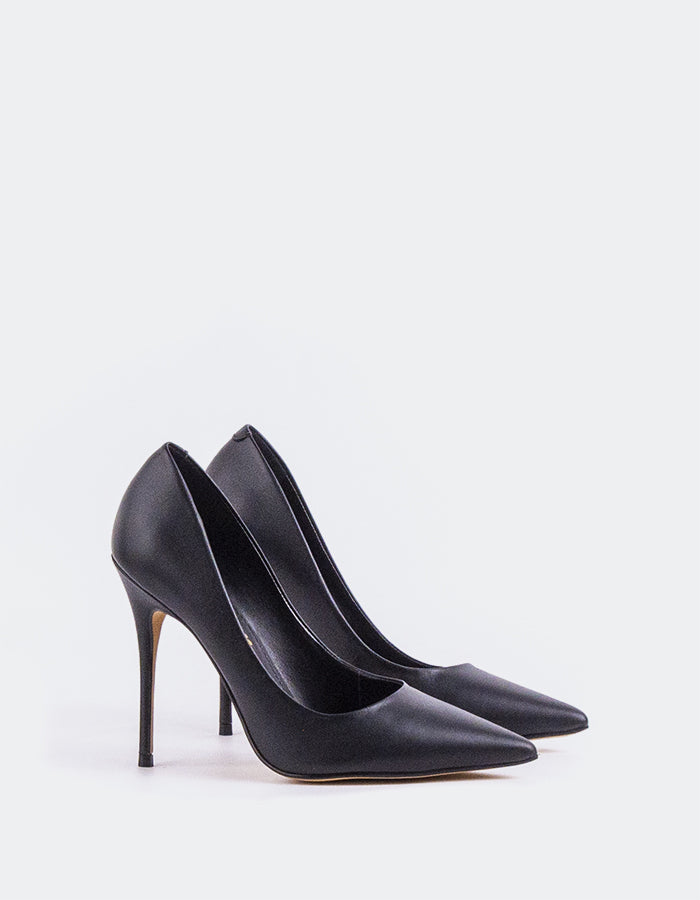
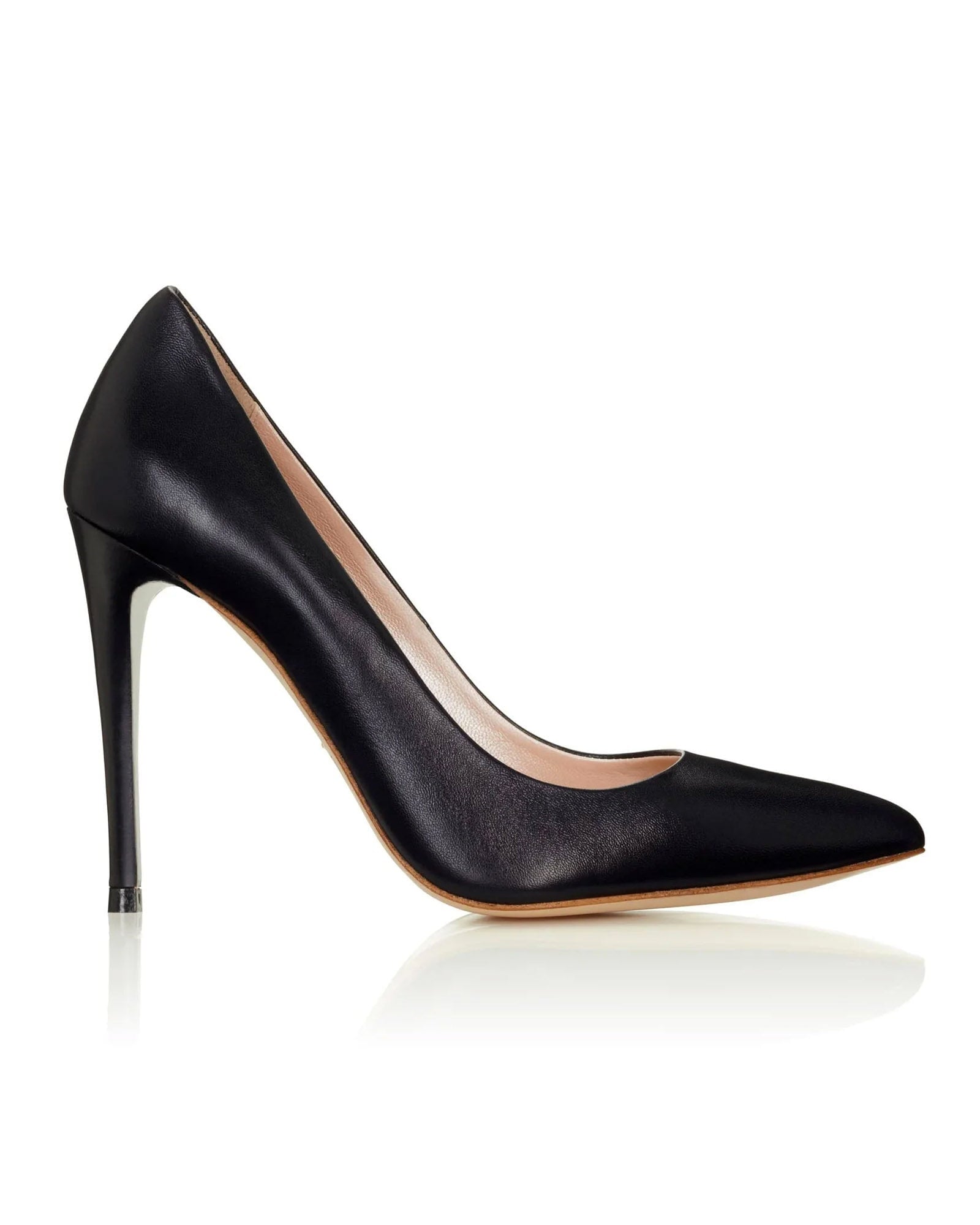
To wield the power of black leather heels effectively, one must first understand the portfolio of available shapes. Each silhouette communicates a subtly different nuance. The Classic Pump, with its closed toe and typically slender heel, is the cornerstone. It is the epitome of corporate chic and evening refinement, a shape so iconic it has been the subject of academic analysis in design schools like Parsons and FIT for its balance of aesthetics and engineering. The Kitten Heel, enjoying a major resurgence, offers a potent dose of elegance with significantly enhanced practicality. As fashion icon Audrey Hepburn demonstrated, it provides lift without the strain, perfect for a day that transitions from meetings to gallery openings. The Block Heel and Platform represent the marriage of fashion and physics. By distributing weight more evenly, they provide stability and comfort, allowing for greater height and longer wear. This design principle is frequently highlighted in podiatric literature for reducing forefoot pressure. Finally, the Strappy Sandal Heel introduces breathability and intricate design, transforming the foot into part of the decoration. This style, often seen on red carpets and in summer collections, leverages negative space to create a look that is both light and arresting. Investing in one of each archetype—or a hybrid design—ensures you have the right tool for every sartorial challenge, from a high-stakes presentation to a weekend brunch.
The Art of Contrast: Pairing with Denim and Tailoring
The magic of the black leather heels often shines brightest in juxtaposition. Consider the uniform of modern ease: premium denim. A pair of well-fitted, dark-wash jeans or tailored black denim trousers, when hemmed to just graze the instep of a pointed-toe pump, creates an uninterrupted line that is endlessly leg-lengthening. This look takes its cue from the off-duty style of countless models and celebrities, where luxury is implied through contrast. The inherent casualness of denim is instantly elevated by the formal polish of the heel. Conversely, when paired with full tailoring—a crisp white shirt and a sharp blazer—the same heels complete a powerful, authoritative look. This is the uniform of leaders, from fictional characters like Miranda Priestly to real-world CEOs. The combination speaks to a understanding of classic proportions, a concept explored in design textbooks and style guides from institutions like the Business of Fashion. The heel provides the finishing punctuation to a sentence built on clean lines and structured fabric. It’s a look that says you mean business, but with impeccable taste.
Embracing Dimensionality: Textures and Proportions
Moving beyond basic pairings, effortless chic demands a play with texture and proportion. A pair of sleek black leather heels can ground an outfit rich in tactile variation. Imagine them with a fluid, silk midi dress; the contrast between the soft, draping fabric and the hard, polished leather creates a compelling sensory dialogue. Or, pair them with a chunky, cable-knit sweater and wide-leg wool trousers. Here, the slim, precise form of the heel balances the volume and coziness of the knit, preventing the outfit from becoming bulky. This principle of balancing proportions is a cornerstone of styling, frequently discussed by experts on platforms like YouTube and in masterclasses from stylists like Rachel Zoe, who emphasizes the importance of “shape and silhouette.” The monochromatic power of an all-black outfit, utilizing different textures—matte leather, glossy patent, soft cashmere, stiff tweed—is another advanced technique. In this scenario, the heels become a key textural element, their shine or grain providing a focal point that keeps the head-to-toe look dynamic and intentional, rather than flat.
Practical Mastery: Comfort, Care, and Conscious Acquisition
True style is sustainable only when it is comfortable and cared for. The quest for effortless chic is defeated if every step is a pain. Therefore, selecting well-constructed heels is paramount. Look for features like padded insoles, sturdy heel counters (the back part that cups your heel), and a toe box that doesn’t pinch. Brands that incorporate ergonomic design or partner with podiatrists, often highlighted in reviews on sites like Quora and specialized footwear blogs, are worth the investment. As the saying often attributed to Yves Saint Laurent goes, “Fashion fades, style is eternal.” This eternity is maintained through care. Regular conditioning of the leather prevents cracking, while protective sole guards extend the life of the shoe. Storage in dust bags with shoe trees maintains their shape. When it comes to acquisition, knowledge is power. Sign up for newsletters from your favorite retailers to get alerts on sales. Consider end-of-season purchases for classic styles that won’t go out of fashion. The goal is to build a curated collection of quality pieces that serve you for years, not a closet full of fleeting, uncomfortable trends. A single, perfect pair of black leather heels, acquired at a strategic discount, holds more style value than a dozen impulse buys.
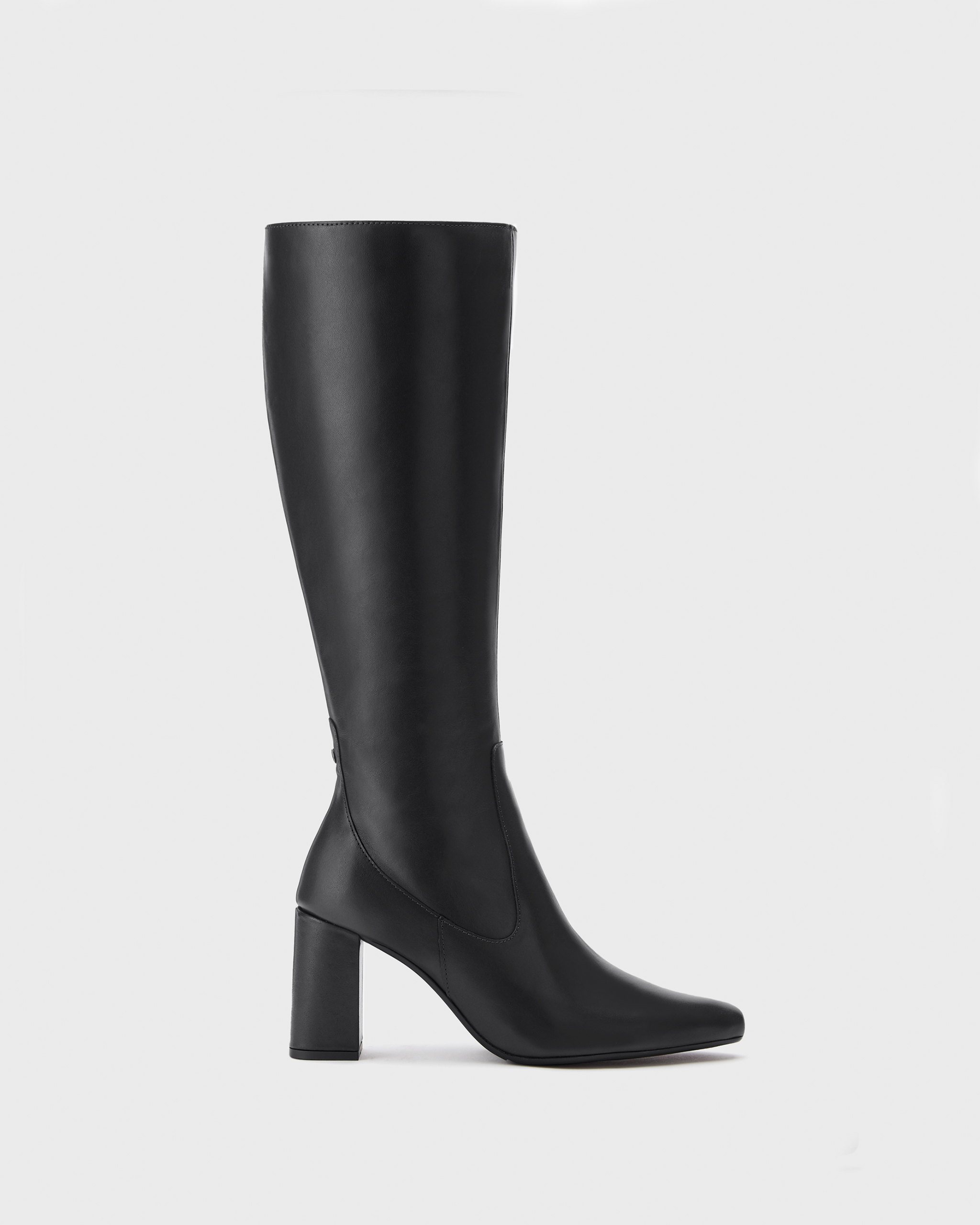
Ultimately, styling black leather heels for effortless chic is an exercise in intentionality. It is about recognizing their unique position as a sartorial constant in a world of variables. By understanding their design language, mastering the art of contrast, playing with texture, and prioritizing intelligent acquisition and care, you transform them from mere accessories into the cornerstone of a confident, adaptable, and truly chic personal style. They are the quiet engine of an outfit, the piece that does the heavy lifting while making it all look easy.
