

Four days, one carry-on, one pair of shoes. That’s the constraint, and it eliminates most of the wardrobe before the suitcase is even open. A pair of grey slip-on sneakers for women solves more of that problem than any other single item, which is why they keep turning up in packing lists written by people who travel for a living.
The case for them is simple. They come off at security in one motion, they survive a walk from gate B to gate B47, and they don’t look like gym shoes in a restaurant at 8pm. The catch is that a bad pair will rub the heel raw by day two, and a light pair will look wrecked by day three.
What follows is the version that works: what to look for, what to pack alongside them, and what to leave at home.
Why slip-ons beat laces on a short trip
Laces are a small tax paid several times a day. Security, a temple or a mosque, a friend’s flat with a shoe rack by the door, a hotel room, an airport lounge. On a four-day trip that adds up to somewhere between fifteen and thirty removals, and every one of them is a moment where a lace loop catches on something.
Slip-ons remove the tax. They also remove the ability to adjust the fit, which is the trade. A slip-on has to fit correctly at the collar and the instep, because there’s no lace to take up slack. That makes the try-on more important than it is with a laced pair.
If you’re packing one pair for four days, this is the category to look at first. Not because slip-ons are fashionable this season, but because they cost you less time and less space than anything else that still looks tidy at dinner.
The other advantage is packing. A slip-on has no metal eyelets to set off a scanner and no laces to tangle with a charger cable. It lays flat in a bag, and a pair of them weighs less than most laced trainers because there’s less hardware.
Grey is the right colour for this job. It hides scuffs better than white, doesn’t look as heavy as black, and works with denim, navy, and the one pair of trousers most people pack for a city break. A mid-grey with a slightly darker sole is the most forgiving version.
What to check before buying a pair for travel
Travel puts specific demands on a shoe, and four of them decide whether the pair earns its space.
- Collar elasticity. Put the shoe on and take it off five times in a row. If the collar has already stretched by the fifth, it will be too loose by day three and the heel will slip on every step.
- Heel counter. Press the back. A firm counter with padding holds a foot without laces. A soft one turns a slip-on into a mule that flaps.
- Weight. Under 300g per shoe is the target for a pair that has to be carried. Over 400g and it’s a shoe for wearing, not packing.
- Sole flexibility. Bend it at the ball. It should flex easily and stay stiff through the arch. A slip-on with no shank folds in the middle and the foot does all the work on a long walk.
Take your own socks to the try-on, and take the ones you’ll actually travel in. A slip-on that fits over a thin liner sock can be unwearable over a cushioned walking sock, and you won’t find that out until you’re standing in a terminal.
The upper matters for a different reason on a trip. Mesh dries overnight; leather doesn’t. If the plan includes rain, or a sink wash, mesh wins. If the plan includes a nice dinner, a smooth leather or leather-look upper reads better and wipes clean.
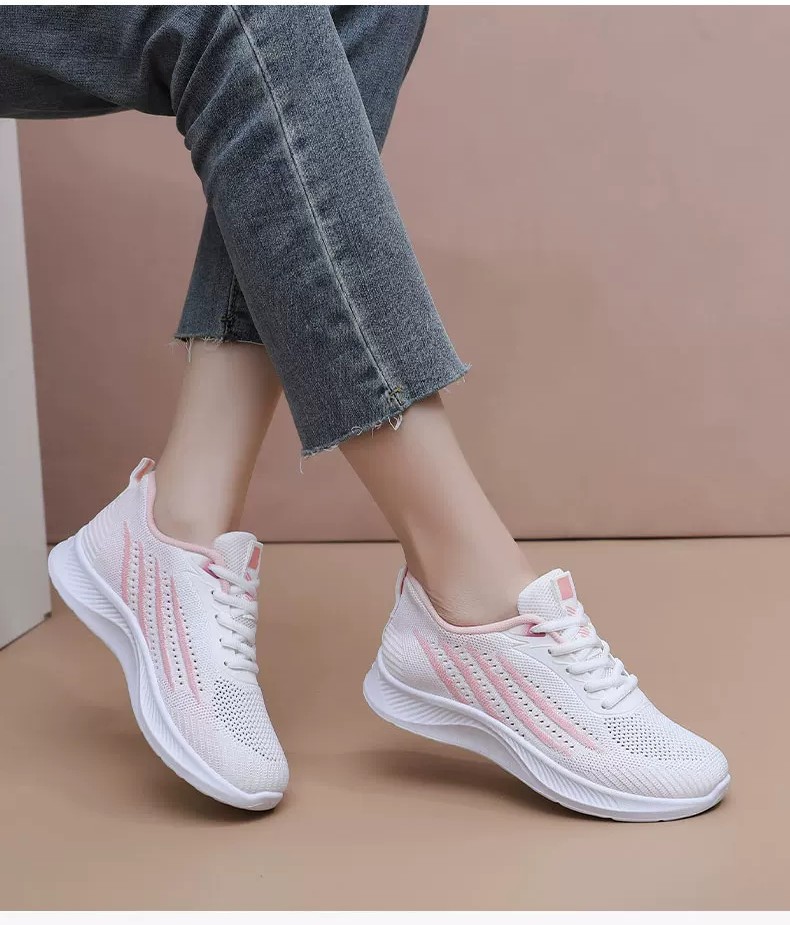
A grey mesh pair with a soft sole is the version that handles a sink wash and a wet pavement, and it’s the one that packs smallest. The compromise is that mesh collapses at the collar over a season, so it’s a travel shoe rather than an everyday shoe.
One more thing on sizing. A slip-on with an elastic gusset will give about 3mm across the instep after a week of wear, so a pair that feels slightly firm on the first try usually settles. A pair that feels tight across the top of the foot at the try-on rarely does. Give the shoe a week of short wears at home before you decide to return it, and keep the box until then.
Size is the last check. Feet swell on a flight, sometimes by half a size, and a slip-on with no laces has no adjustment. Buy the size that feels slightly roomy on the ground at 6pm, not the one that feels snug at 9am. A thin insole can take up the slack if the pair turns out too big. Nothing can fix too small.
Airport security at 6am, and the one-second shoe
The realistic test of a travel shoe isn’t a fashion question. It’s whether the shoe comes off while standing on one leg, in a queue, with a tray in one hand.
A slip-on passes. A high-top with fourteen eyelets fails. This sounds trivial until the third airport in four days, when the difference between a shoe that slides off and one that has to be unlaced and relaced is the difference between catching the connection and not.
Try the motion at home before the trip. Shoes off, standing on one foot, holding something in the other hand. If you have to sit down or use a wall, the collar is too tight for a travel shoe, and you’ll be that person holding up the line at 5:40am.
Two practical notes. Wear the pair on travel day rather than packing them, because shoes are bulky and a worn pair doesn’t count against the bag. And wear socks that cover the ankle, since most slip-ons are worn without socks and a security queue in bare feet is a memory nobody wants.
There’s also the walking question. Airport terminals are long, and the distance from check-in to a far gate can be 1.5km before the flight even boards. A slip-on with a thin sole will transmit every tile. A 20mm to 25mm stack with a slightly cushioned insole makes the difference between arriving fresh and arriving with sore heels.
The modern sneaker was designed for movement rather than style, and the slip-on version keeps that brief. It’s a shoe built around the idea that the foot should do less work, which is exactly the right brief for a travel day.
The four-day packing list around one pair
One pair of shoes changes what else goes in the bag. The clothing has to work with the shoe, not the other way round, and that’s easier than it sounds if the shoe is a neutral grey.
Two pairs of trousers. One dark, one lighter. Both should cover the top of the shoe, which makes the outfit look deliberate and hides the part of the shoe that gets dirty first.
Three tops. One that works for dinner, two that work for daytime. A grey shoe handles white, navy, and black without complaint.
Two pairs of socks. One thin, one cushioned. The thin pair for warm days, the cushioned pair for the long walking day.
One layer. A jacket or overshirt that works over all three tops, because the plane is cold and the evening is cooler than expected.
Build the capsule around the shoes, then check it against the weather. If the forecast is 12 degrees and wet, the lighter trouser and the mesh shoe are the wrong pair, and you’ll want the leather-look option instead. This is the one decision worth making the night before you pack, because it changes what goes in the bag.
That’s a bag that fits in a carry-on with room for a book. The shoes go in last, soles down, with socks stuffed inside to hold the shape. Nothing heavy on top, because a crushed collar on a slip-on doesn’t spring back.
The sink-wash test, and what dries overnight
Four days is short enough that most people don’t wash anything. Five days is where it starts, and a trip that gets extended by a day or two is common enough to plan for.
Mesh and textile uppers dry overnight in a hotel room with the air conditioning on. Leather does not, and a damp leather shoe worn the next morning will stretch and crease permanently. If the trip might stretch, pack mesh.
The wash itself is simple. Lukewarm water, a drop of washing-up liquid, a soft brush, thirty seconds per shoe, then stuff with newspaper and leave near, not on, a radiator. A hairdryer on hot will separate the sole at the toe. A tumble dryer will do worse.
If you’re washing them in a hotel sink, wring the upper gently rather than twisting it, and press the water out with a towel. Twisting a mesh upper stretches it at the collar, and a stretched collar is the one part of a slip-on that can’t be fixed.
Insoles come out if they’re removable, and they should be washed separately. A removable insole is also the reason to buy a pair with one: it dries faster, it can be replaced when it flattens, and it lets an orthotic go in without changing the fit.
Laces don’t exist on a slip-on, which removes the one part of a shoe that always smells. That’s a small, real advantage on a trip where everything gets worn twice.
What doesn’t dry overnight: the padded collar, the tongue foam, and the lining. Those hold water for a day and a half. If the pair gets soaked, the honest fix is to wear something else the next day and let them sit.
What stayed in the suitcase
The useful part of any packing list is the list of things that didn’t get used. On a four-day trip with one pair of grey slip-ons, these are the items that stayed in the bag.
- The second pair of shoes. Almost always. People pack a dressier pair for one dinner and wear the comfortable pair instead, because the dinner turns out to be a walk to a restaurant and back.
- The shoe bag. A cloth bag is nice, and a plastic bag from a hotel laundry works just as well. The shoes go in a bag only when they’re wet.
- The cleaning kit. A single melamine sponge and a cloth are enough for four days. Brushes, polish, and sprays belong on a two-week trip where the suitcase stays in one room.
- The heels. Unless a specific event has a specific dress code, heels on a city break are weight that gets carried and never worn. A wedding is a different trip with a different bag.
That list is worth checking against your own bag before you zip it. Most overpacking is a failure of imagination about what the days will actually look like, and one comfortable pair of shoes makes the rest of the decisions smaller.
There’s a version of this where the grey slip-on is the only shoe and the trip is better for it. There’s also a version where it rains for three days and the pair never dries. The difference is a forecast and a second pair of socks.
Carry-on luggage rules vary by airline, and the shoe doesn’t change them. What it changes is how much room is left for everything else.
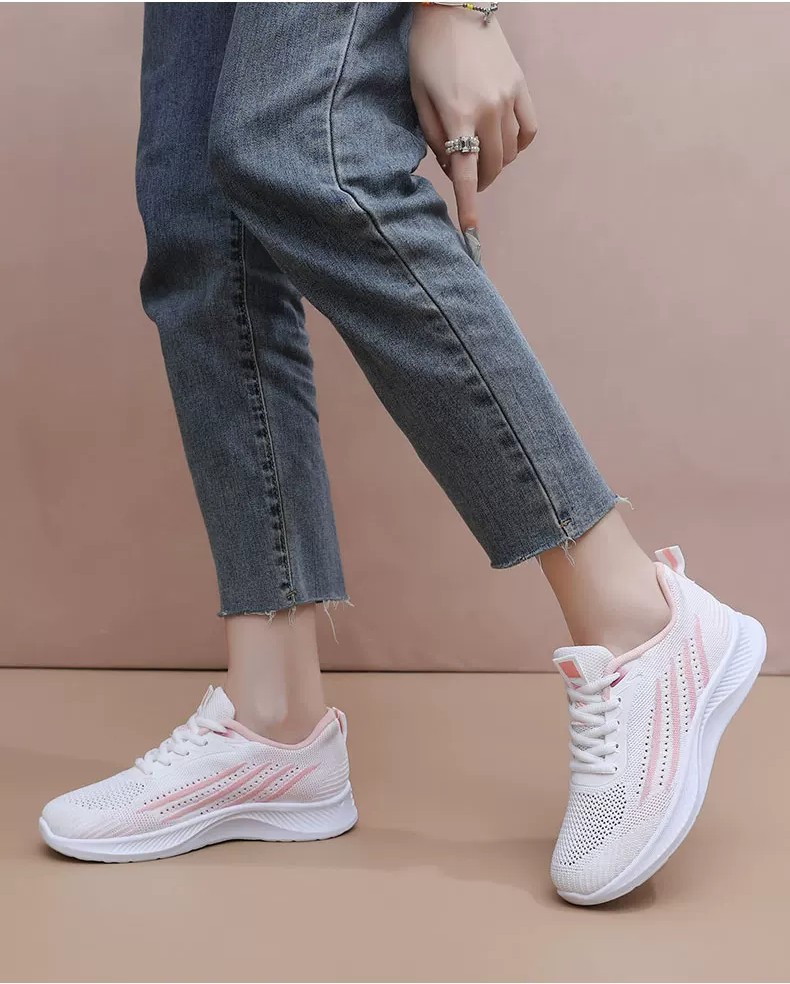
For anyone comparing options before a trip, the dark grey sneaker outfit notes cover which shades photograph best with limited clothing, and the sneaker range has the current greys in one place.
If you’re only going to do one thing after reading this, do the five-remove test on whatever pair you already own. It takes a minute, it tells you whether your current shoes are a travel shoe or a shoe you happen to be travelling with, and it’s the cheapest upgrade available.
The short version, if a flight is booked for next week: buy a grey slip-on that passes the five-remove test, take one thin pair of socks and one cushioned pair, wear the shoes on the plane, and leave the second pair at home. Four days is not long enough to need choices. It’s long enough to notice the wrong shoe.
