

The invitation says garden party, 2pm, and the couple mean it: the ceremony is on grass and the reception is in a marquee. You’ve got a dress that works and a pair of heels that will sink at the first step onto the lawn. So you’re wondering whether gold and white sneakers for women can carry a wedding without looking like you gave up.
They can, in the right wedding. They’ll look wrong at the wrong one, and the difference has almost nothing to do with taste. It comes down to the dress code, the ground, and how close you’ll be standing to the bride in photographs.
I’ve watched this decision go wrong in every way it can, mostly because people buy the shoe before they read the invitation properly. Here’s the order I’d do it in.
Read the dress code as a shoe instruction
Dress codes are written for clothes and read as if they cover shoes. They don’t, so you have to translate. Four common ones, and what each means for your feet.
Black tie. No sneakers. Not gold ones, not white ones. This isn’t a style opinion, it’s the one code where the whole point is uniformity, and a trainer breaks it visibly in every photograph.
Cocktail. Borderline. A sleek, low-profile sneaker in a dark metallic can pass at a city wedding with a short dress, especially if the reception is in a hotel and the dancing starts early. A chunky white trainer will not.
Garden party or outdoor. This is the code that was practically invented for a pretty sneaker. Grass, gravel, a long walk from the car park, and a bride who has already accepted that guests will wear flats.
No code stated. Look at the venue instead. A barn, a beach, a registry office with a pub lunch afterwards: sneakers are fine. A country house hotel with a sit-down dinner at 7pm: they’re a gamble.
Dress code wording in Britain and the US has drifted a long way from its origins, as the history of dress codes makes clear. The practical read: if the invitation uses a word you’d have to look up, wear the safer shoe.
The other signal is the time.
Venue logistics deserve a mention because they override taste. If the car park is a field and the ceremony is a ten-minute walk from it, that walk decides your shoe. Guests in stilettos will be holding onto someone’s arm by the gate, and you won’t. Whatever else happens that day, being able to walk normally across a wet field is worth more than matching the napkins.
A 2pm ceremony that runs into an evening do is two events with one outfit. Sneakers handle the afternoon well and start to look underdressed at about 8pm, when the lighting changes and everyone else has changed into something with a heel.
Gold is a metal, not a colour: three finishes to know
The word gold covers at least three different things, and they behave nothing alike on a shoe.
Metallic foil or film. A thin layer bonded to a synthetic upper. It looks brilliant in the shop and creases white at the flex point within two wears, because the foil doesn’t stretch with the material underneath. Cheap-looking after a month, and impossible to repair.
Metallic leather. Real leather with a laminated finish. It creases the way leather creases, softly, and the finish holds for a season or two of occasional wear. This is the version worth paying for if you want gold at a wedding.
Woven or coated textile. A gold thread or a metallic coating on mesh. Breathable and light, with a duller finish that photographs better than foil. It also scuffs into a grey patch if you catch it on a step.
White is simpler and harder. An optic white upper is bright enough to pull attention to your feet in daylight, which is fine at a beach wedding and less fine at a formal one. Cream, bone, and off-white read softer and photograph better against most skin tones. If the bride is in ivory, a pure white shoe next to her in a group shot can look like a mismatched pair of teeth.
One trade detail worth knowing: gold finishes are almost always applied to a synthetic or corrected-grain base, because the plating needs a smooth surface. That means the shiniest gold sneakers are usually the least breathable. If the wedding is in July and the ceremony is outdoors, pick a duller gold with a textile base.
The 3pm photo problem
Wedding photographs happen in the worst light of the day, outdoors, with a phone camera and no reflector. Two things go wrong with light-coloured sneakers in that setting.
First, white blows out. A pure white upper catches the highlights and loses all its shape, so the shoe reads as a bright blob at the bottom of the frame. Cream or bone keeps its edges. If you’re standing at the edge of a group photo, this matters less. If you’re in the front row, it matters.
Second, gold reflects whatever is around it. In a marquee with warm bulbs, gold turns orange. On grass at 3pm, it picks up green in the shadows and looks dirty in the photo even when it’s clean. Matte gold and woven gold handle this better than a mirror finish.
The fix is boring and effective:
Phone cameras make this worse than it used to be. Most of them default to a wide lens that pulls the edges of the frame, so anyone standing at the side of a group shot gets their shoes stretched and their white soles brightened. Add a flash at 9pm and a white upper in the front row turns into a rectangle of light. This is the practical reason photographers put the bride in the middle, and the reason a pale cream beats a white on the outer edge of the line-up.
check the shoe in daylight before the day, next to the outfit you plan to wear. Not in the shop, not under a warm bulb in your hallway. Stand by a window at midday and look at your feet. The collar height and colour notes on light pink sneakers apply to pale gold and white in exactly the same way, since the same contrast problem shows up in every photograph.
Grass, gravel, and the sole that saves you
Outdoor weddings are a test of the outsole, not the upper. Three surfaces break most dress shoes, and sneakers solve two of them.
- Grass after rain. A flat, smooth sole slides. A rubber sole with a shallow tread grips. Deep lugs are worse, because they collect mud and then deposit it on the dance floor.
- Gravel drives. The worst surface for a thin heel and the easiest for a flat. This alone justifies sneakers at a country venue.
- Decking and marquee floors. Fine for everything except a smooth leather sole, which behaves like an ice skate.
This is where gold and white sneakers earn their place at an outdoor wedding. The sole does the work that a heel can’t, and nobody notices a rubber tread in a photograph.
Check the tread depth in millimetres, not by eye. Anything under 2mm is decorative. Three to four millimetres with a zigzag pattern handles wet grass and still looks tidy. More than that and you’re wearing a hiking shoe to a wedding.
Heel height is the other outdoor variable. A 20mm to 25mm stack under the heel lifts you clear of damp grass without turning the shoe into a platform. Anything under 15mm and your feet get wet through the sole seam by the second hour.
One thing nobody warns you about: a white midsole on wet grass picks up green staining that doesn’t come out with a cloth. If the venue is a field, choose a shoe with a dark or gum-coloured midsole, or accept that the pair is now a garden shoe.
What the bride’s dress quietly rules out
There’s an etiquette layer here that people pretend doesn’t exist. It does, and it’s simple.
Don’t wear white shoes to a wedding where the bride is in white, unless the dress code is explicitly casual and you know her well. It’s not a rule anyone will say out loud, and it’s the kind of thing a mother of the bride notices in every photo. Gold is safer for exactly this reason.
Don’t out-shine her either. A mirror-finish gold sneaker under a short hem reflects light and draws the eye down. A brushed or woven gold reads as texture instead of shine and stays in its lane.
And check the colour palette if there is one. A lot of modern invitations specify a palette for guests. If the palette is sage and cream, a gold sneaker is fine. If it’s black and burgundy, a white one will stand out on purpose, which may not be the intent.
Wedding customs vary enough between countries that the only reliable guide is the couple. If you’re close enough to text them, ask. One question saves an afternoon of second-guessing.
Dancing changes the spec at about 11pm
Most wedding shoe failures happen after the cake, not during the ceremony. That’s when people stand for three hours, dance on a floor with a slight slope, and discover that the shoe they chose for looks has no structure.
What to check before you commit:
The heel counter. Press the back of the shoe. If it folds, your heel will slide out on the first fast song. A firm counter with padding at the top edge is the one that survives.
The insole. Pull it out if it’s removable. A 4mm foam insole is decorative. A 6mm insole with a moulded heel cup will still be comfortable at midnight. If it’s glued in and thin, plan to add a gel insert before the day, not after.
Toe box depth. Dancing pushes your foot forward into the toe. If the top of the toe box sits close to your toes when you stand still, it will press hard after an hour of movement.
Weight. Weigh one shoe. Under 250g is light enough to dance in. Over 350g and you’ll feel it in your calves by the last hour.
If the pair passes all four and looks right in daylight, buy it.
Dance floors at weddings are rarely flat. They’re built on temporary decking over grass, or laid in a marquee where the ground has settled, and there’s usually a slight slope somewhere near the edge. A shoe with a wide, flat contact patch handles that. A narrow sole with a rounded edge rolls, and rolling under a foot with a glass in your hand is how ankles get turned at 11pm.
If you plan to dance for hours, skip the pointed toe and skip any pair with a heel that tapers inwards. Both look sharper in photographs and both make the last hour of the night worse.
If it fails the heel counter test, no insert will save it, and you’ll be dancing in your socks by 10pm.
Sizing for a nine-hour day
Weddings are long. Ceremony at 2pm, dinner at 7pm, car at midnight. Feet swell through that, and a shoe that fits at the try-on will be tight by the speeches.
Two practical adjustments. First, buy for the end of the day, not the start, which means trying on in the late afternoon and choosing the size that has a thumb’s width of room past your longest toe. Second, take the socks or tights you’ll wear. A sheer tight adds about a millimetre; a hidden liner sock adds two.
White and light gold sneakers show every crease, so a slightly roomier fit looks better as well as feeling better. A tight shoe creases sharply across the toe, and on a pale upper that crease reads as a crack.
Most gold and white sneakers run true to size, but the metallic finishes have less give than a textile upper, so if you’re between sizes take the larger one.
Bring a spare pair of insoles if the shoe is new.
Anyone with a bunion, a wide forefoot, or a high instep should try the pair at the end of the day rather than the start. A light gold upper with a narrow last will press on the joint by 5pm and no amount of padding fixes a last that’s the wrong shape. Look for a round toe and a soft, unpadded edge over the big toe joint. This is one of the few places where a slightly less elegant shoe is the only shoe that will actually get worn.
A fresh 5mm insole costs a few dollars and doubles the comfort of a pair with a glued, thin footbed. It’s the cheapest insurance at a wedding, and nobody sees it.
Getting them to the venue without wrecking them
Light-coloured sneakers travel badly. Scuffs from the car floor, dust from the venue path, and the imprint of a bag strap all show.
Pack them in a cloth bag, not a plastic one, and put them in last so nothing heavy sits on them. If you’re travelling the day before, stuff the toes with tissue so the upper keeps its shape. A crushed toe box on a pale shoe is permanent.
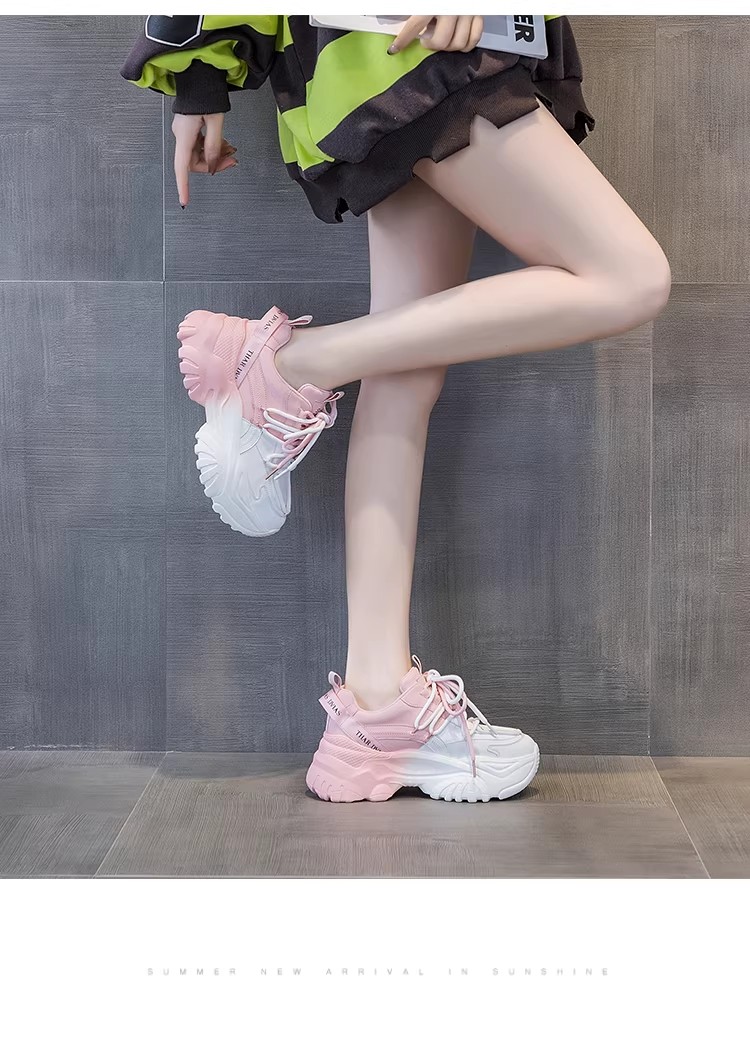
On the morning, clean the midsole with a damp cloth and a drop of washing-up liquid, and let it dry fully before you put them on. A damp midsole picks up dust on the walk from the car and looks grey by the ceremony.
None of this is complicated, but it’s the difference between gold and white sneakers that look intentional at 3pm and a pair that looks like you forgot to change. Treat them like a piece of clothing rather than a pair of gym shoes and they’ll hold up for the whole day.
Take a small cloth in your bag.
If you’re staying over, unpack the shoes first and leave them out of the bag for the night. A pair that spends 24 hours compressed in a suitcase arrives with a crease across the vamp that no amount of wearing will flatten. Ask the hotel for a shoe horn if the collar is stiff. It sounds fussy and it saves the back of the shoe.
It weighs nothing and it fixes the one scuff that would otherwise bother you all afternoon.
Where the gold sneaker stops working
Three situations where I’d leave them at home, and one compromise.
Black tie, or anything with a stated formality above cocktail. The shoe will be the only casual thing in the room and everyone will notice within ten seconds.
A wedding where you’re in the formal photographs. If you’re a bridesmaid, a reader, or standing at the front, match the level of the wedding party. Sneakers are for guests on the edges.
Rain forecast and no indoor backup. A pale upper plus wet grass equals a pair that never looks clean again. Take a darker pair or a proper flat.
The compromise is a metallic sneaker in a darker tone:
There’s also the question of the after-party. If the wedding runs into a second venue, a bar, or a hotel lobby at 1am, you’ll be glad of a shoe you can walk in. This is the argument for picking a pair that reads slightly dressier than a gym trainer: a clean profile, a leather or metallic upper, a sole that isn’t a running shoe. It won’t be right for a ballroom, and it will be right for the walk back.
bronze, gunmetal, deep gold. It keeps the comfort and loses the attention, and it works from a 2pm ceremony to a 1am taxi without a change.
If you’re buying for one specific wedding and nothing else, spend less. A $60 pair of white sneakers with a 6cm sole does the job, photographs well, and won’t make you wince when it meets wet grass. If you want a pair that survives the wedding and the next two summers, buy metallic leather and pay for the finish.
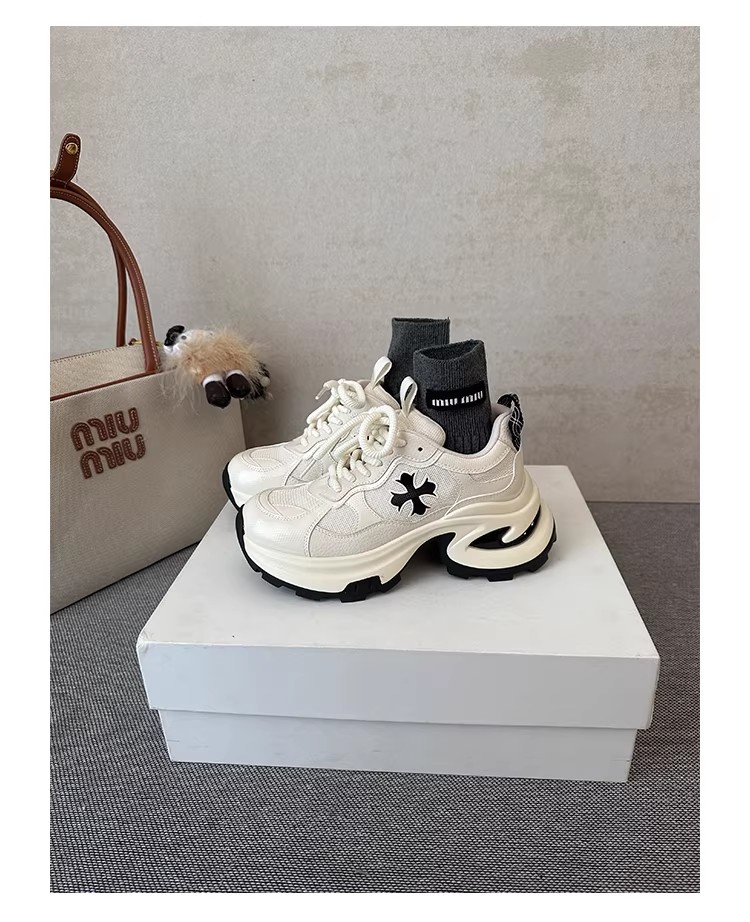
Either way, the order is the same. Read the code, check the ground, look at the shoe in daylight against the outfit, then check the heel counter. Do those four things and the shoe decision takes ten minutes instead of a fortnight of scrolling. The full sneaker range is the place to compare finishes side by side, and comparing two pairs in one photograph tells you more about gold than any product description will.
