

It’s 7:20 on a Tuesday, the drizzle is the fine kind that doesn’t look like rain, and you’re at the bus stop feeling water come through the toe of your trainer. By the time you reach the office your socks are done. That’s the morning that sends most women shopping for waterproof shoes, and it’s also the morning that makes people buy the wrong pair.
Waterproof shoes are sold on one promise: dry feet. What actually arrives is a range. Some pairs shrug off a twenty-minute shower and then soak through at the laces. Others stay dry for two winters and cook your feet the moment the sun comes out.
So this is about the ones worth your money. The best ladies waterproof walking shoes I’d trust for a commute, a school run, a dog walk, or a wet week in a city where the pavements hold water. Plus the ten-minute checks that tell you whether a pair is genuinely sealed or just sprayed with something that washes off by November.
Waterproof, water-resistant, water-repellent: three different promises
Shops use these words almost interchangeably. They aren’t. The difference decides whether your feet stay dry in a puddle or only in a downpour, and it’s the first thing to look at on the box.
Water-repellent means a coating sitting on the outside of the fabric. Rain beads up and rolls off. It’s cheap, it handles light drizzle, and it fades after roughly 15 to 20 wears or a couple of washes. You can bring it back with a spray can once a season, which is worth the eight quid if you like the pair.
Water-resistant usually means a tighter weave plus that coating, or a thin liner behind the upper. Fine for damp pavements and wet grass. Not fine for standing water, and definitely not fine for the two-inch flood at the bottom of a pedestrian underpass.
Waterproof means a membrane or a rubber shell, with sealed seams. The industry measures this as water column: how many millimetres of water the fabric holds back before it leaks. A decent walking shoe membrane sits between 10,000mm and 20,000mm. That’s enough to kneel in a puddle without feeling it. Rubber goes far higher, and it also traps every drop of sweat you make.
The formal definition of waterproof fabric is stricter than most product pages admit. If the description says “water-resistant upper” and mentions nothing about a membrane or taped seams, you’re buying a coating.
Rain beads on coated fabric. It darkens untreated fabric. That’s the whole test, and you can run it on a shop floor with a water bottle.
One more word to watch for: “weatherproof”. It means nothing in particular. It’s marketing with a hood on.
Ask the shop assistant one question and listen for a pause: “Is there a membrane, and are the seams taped?” Someone who knows the stock answers in one breath. Someone reading the tag back to you doesn’t.
The puddle test you can run in your kitchen
You don’t need to trust the hangtag. Here’s what I do with any pair I’m unsure about, and it takes twenty minutes rather than a returns queue.
Take a shallow baking tray, pour in two centimetres of cold water, and stand the shoe in it. Crumple a dry paper towel into the toe box first. Leave it ten minutes. Then check the paper. Dry paper means the sole unit and the lower seams are sound. Damp paper means water is wicking up through the lasting board, which is the part nobody advertises.
Next, the shower test on the upper. Hold the shoe at arm’s length under a running tap for sixty seconds, aiming at the tongue where it meets the laces. This is where most cheap waterproof shoes fail, not at the toe. If water gets in at the tongue in under a minute, the pair will let go completely in real rain.
You’ll want to do this before you wear them outside. Once the sole is scuffed and the box is gone, you’re arguing with a returns desk about whether a shoe is meant to keep out rain.
The best ladies waterproof walking shoes survive that test with dry paper and a dry sock liner. Coated pairs pass the first minute and fail the fifth. If you’re shopping online and can’t test anything, buy from a shop with a 30-day worn-returns policy and keep the box.
Two numbers worth asking about before you pay: membrane rating, and whether the seams are taped or just stitched. Stitched seams without tape are the single most common leak point on a walking shoe, and no amount of spray fixes them properly.
One more kitchen test worth doing on a pair you already own. Fill the sink, dunk the shoe to just below the collar for five seconds, and watch where the water line climbs. If it climbs fast up the side panels, the fabric is absorbing and the outer coating has gone. That’s not a dead shoe, it just needs reproofing before the next wet week.
What the membrane actually buys you, and what it costs
A membrane is a thin sheet with pores too small for water droplets and large enough for vapour. Gore-Tex is the version everyone knows, and it works. So do eVent, Sympatex, and the in-house membranes that outdoor brands won’t name.
Breathability is quoted in grams of vapour per square metre per 24 hours. Good walking shoes land somewhere between 10,000 and 20,000. A cheap membrane can sit under 5,000, and that’s when you get the clammy feeling halfway through a supermarket.
Here’s the honest trade-off. Every membrane slows vapour down. On a mild day, a waterproof shoe is warmer and damper than the same shoe without one. That’s the price of dry feet in February, and it’s why nobody who walks 15,000 steps a day in July wears them.
Rubber shells avoid the membrane question completely and bring their own problem. No breathability at all, a heavier shoe, and a fit that’s either loose enough to rub or tight enough to pinch across the top of the foot.
For most women, the sweet spot is a textile or leather upper with a membrane, a gusseted tongue, and a sole that’s thick enough to keep the water line below your ankle. You get rain protection without the wellington feel. That configuration is what most of the best ladies waterproof walking shoes have in common, whatever the logo on the side.
And no, the price doesn’t scale with dryness. I’ve had a £45 pair outlast a £140 pair by a full winter, because the cheap one had taped seams and the expensive one had a beautiful upper with stitched, untaped ones.
Weight is the other number people ignore. A sealed walking shoe usually runs 280g to 400g per shoe in a women’s size 39. Above 450g and you’ll notice it on stairs by mid-afternoon, which is where a lot of good waterproof shoes get abandoned in the hallway.
Where waterproofing fails first: tongue, collar, seams
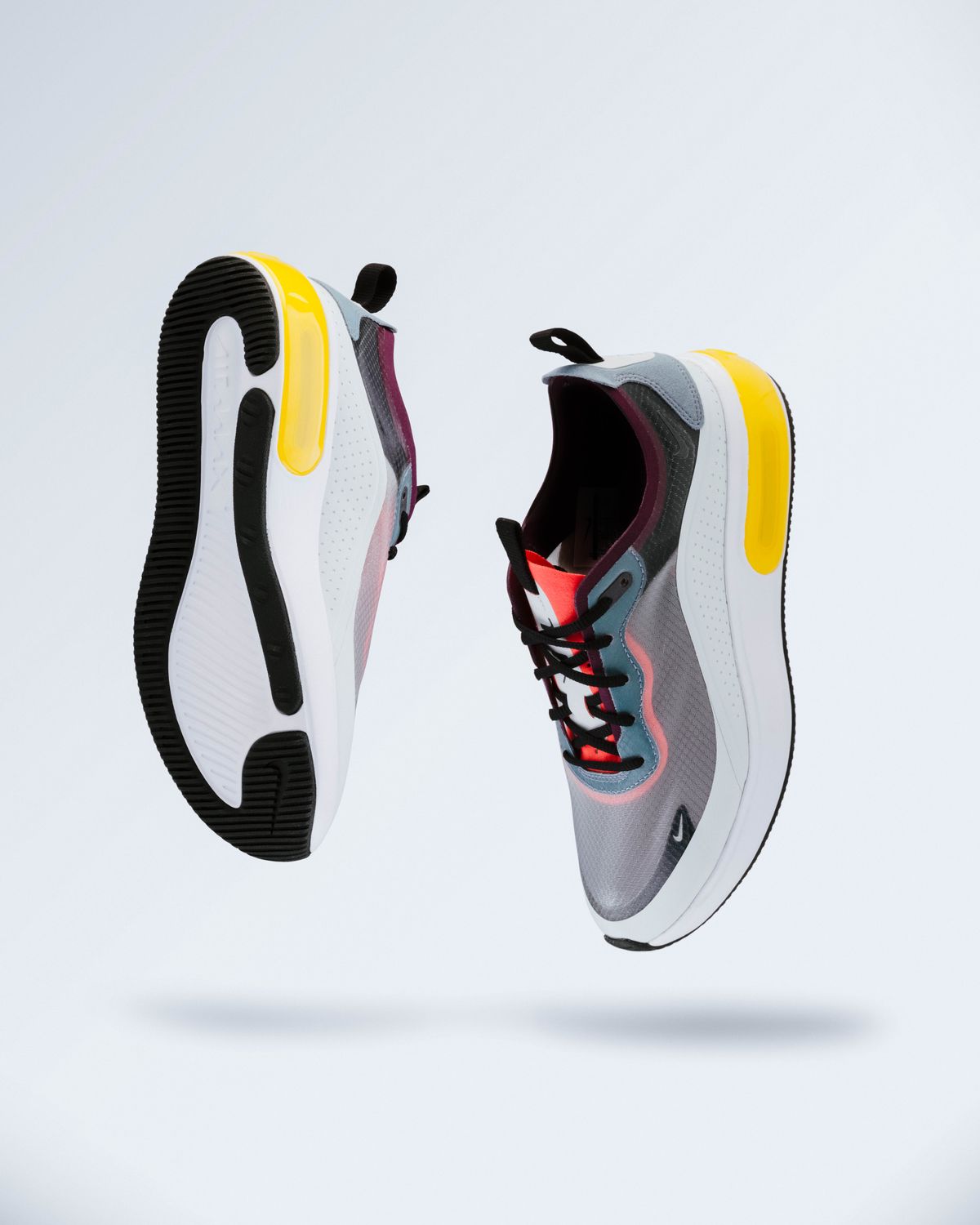
Water almost never enters through the middle of the upper. It enters at the openings, and the openings are where brands cut costs.
A gusseted tongue is attached to the upper on both sides, like a little boot, so water can’t run down the side of your laces into the shoe. A plain tongue is a flap, and a flap leaks. Check by pulling the tongue forward: if you can see daylight down either side, that’s a gap that will find every puddle you step in.
Collar height matters more than people think. A collar that sits 20mm above the sole gives splashes somewhere to land before they reach your sock. That’s a real difference on wet pavements, especially when a car goes through a gutter beside you.
Seams should be taped on the inside. You can feel the tape with a finger: a smooth strip running over the stitching. Stitched-only seams rely on the thread swelling when wet, which works for a while and then stops.
The other weak point is the junction between upper and sole. Look for a bonded or moulded construction rather than visible stitching at the rand. On a wet walk, that seam takes constant spray from the front wheel of your own stride.
None of this is visible in a product photo, which is why reviews that mention “wet sock after 20 minutes” are worth more than any spec sheet.
If you’re walking on wet grass or gravel, add one more check: the tread. Deep lugs clear mud, shallow ones pack it in and turn slick. For city pavements a flatter, softer compound grips better on painted lines and metal drain covers, which is where most winter slips actually happen. The women’s sneaker styles sorts by sole type if you want to compare shapes side by side.
Collar padding is the last detail. Padded collars hold their shape through a wet winter. Thin ones flatten in a month, and then the shoe starts rubbing exactly where the rain runs in.
Fit rules that change when the shoe is sealed
A waterproof walking shoe sits differently from a mesh trainer, and sizing from memory will trip you up.
Buy half a size up from your normal trainer. The membrane and the lining eat volume, and a thick sock in January eats more. Your longest toe should sit about a thumbnail’s width from the front, checked standing up at the end of the day when feet are at their biggest.
Heel slip is the thing to get right. With the laces done, walk five steps. More than 5mm of lift at the heel and you’ll get a blister on the first long walk, because a sealed shoe doesn’t stretch the way knit does. Less than that is fine.
Width gets ignored and shouldn’t. If your feet are wide, a waterproof shoe in a standard width will press across the ball of your foot and feel tight all day. The casual walking shoes in a roomier last are a better starting point than sizing up in a narrow one.
Break them in for two weeks indoors and on short errands before you commit to a 10km day. Walk 15 to 20 miles total. Membranes crease where your foot flexes, and the crease is where the first rub appears.
Socks change the fit more than you’d expect. A thin cotton sock in a sealed shoe feels tight across the instep. A merino walking sock takes up 3mm to 4mm of volume and moves the pressure off your toes. Try both before deciding the size is wrong. If the shoe presses on the top of your foot with thick socks, the best ladies waterproof walking shoes in that model won’t fit you either, so move to a different last rather than a bigger size.
If you want something lighter for dry days and a separate pair for rain, that’s honestly the smarter setup. A breathable mesh walking shoe for warm weather plus one sealed pair covers the year better than one compromise shoe. See how the leather walking shoes held up over 500 miles of pavement if you want to go that route instead.
The bits I’d skip, and the limits nobody mentions
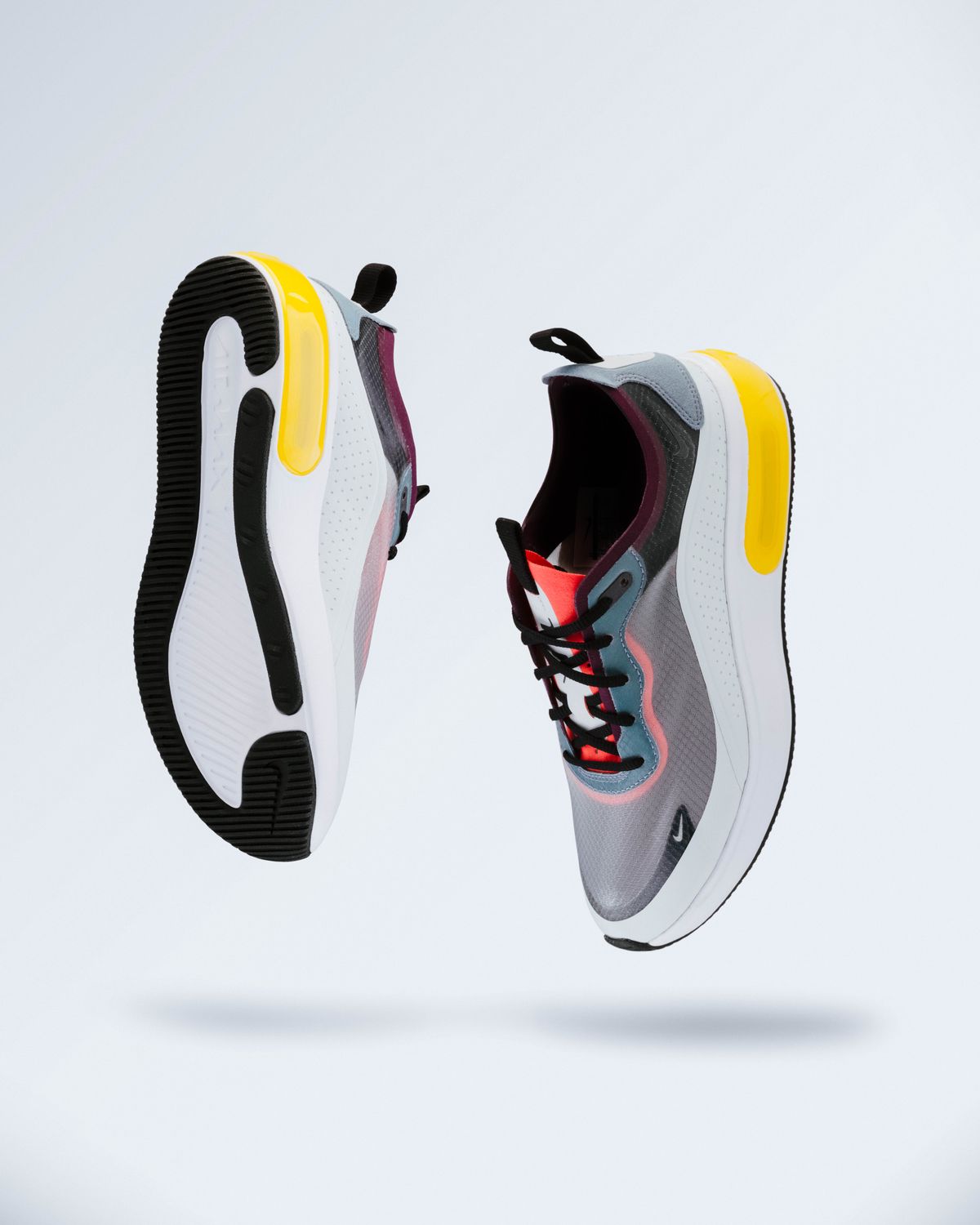
Waterproof shoes are not a summer purchase. If you walk to work in July, they will be hot, and your feet will feel it by lunchtime. Own them for the wet half of the year and stop apologising for the other pair.
Reproofing is a chore and it’s not optional. A waterproof upper keeps rain out but the outer fabric still wets out and stops breathing once the coating goes. Clean them with a soft brush, use a spray or wash-in proofer twice a season, and don’t put them in a tumble dryer.
Skip anything with a mesh panel in the toe. It looks breathable and it is, which is exactly the problem in rain.
Rubber-shell shoes are a bad idea for long walks. Fine for a 15-minute walk to the shops, miserable after 5km because there’s no give and no airflow.
And don’t buy the cheapest pair on a marketplace listing with no membrane named. That’s a coated shoe priced like a sealed one. Check the lightweight walking and running styles instead if you want a dry-weather pair that still copes with a shower.
Also worth knowing: no waterproof walking shoe stays waterproof forever. Membrane boots typically hold for 300 to 500 miles of regular wear before seams start to give. If your commute is 3km each way, that’s roughly a year and a half. Plan for it, and buy the best ladies waterproof walking shoes you can afford at the start of a winter rather than the end.
One last thing about the return window. Wear them indoors for a week, then out for one wet day. If your socks are damp at the end of it, take them back while you still can, and say plainly that the tongue leaked. Most shops know exactly which models come back for that reason.
Dry feet in February are worth twenty minutes of testing at the kitchen sink. Your socks will thank you, and so will the pair of shoes you didn’t ruin.
