Step Into Style: The Ultimate Guide to Toe Walker Shoes for Effortless Chic
Fashion and function are no longer opposing forces. In the realm of footwear, a quiet revolution is happening, one that elegantly bridges the gap between medical necessity and runway-ready style. We’re moving beyond the clunky, clinical designs of the past and stepping into an era where support and sophistication coexist. This is the world of modern toe walker shoes, a category redefined for those who seek both anatomical correctness and undeniable chic. Forget the notion that corrective footwear must be an aesthetic compromise. Today’s designs empower you to walk with confidence, grace, and a profound sense of personal style, turning a functional requirement into your most distinctive fashion statement.
Redefining the Narrative: From Correction to Fashion Expression
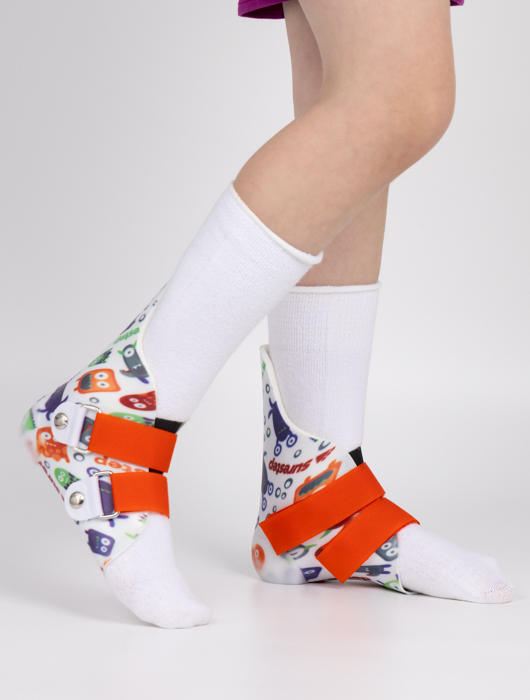
The term “toe walking” might immediately conjure specific medical images, but its context in fashion is broader and more nuanced. Historically, toe walking refers to a gait pattern where an individual walks on the balls of their feet, with the heels not making contact with the ground. According to resources from institutions like the American Academy of Orthopaedic Surgeons, persistent toe walking beyond early childhood can be idiopathic or related to muscular or neurological conditions. The traditional footwear solution often involved rigid, high-top orthopedic boots that prioritized correction over aesthetics, making wearers, especially style-conscious individuals, feel self-conscious. However, the new generation of toe walker shoes dismantles this old narrative. They are engineered with the same principles of heel stabilization, arch support, and proper gait alignment, but are cloaked in designs that draw inspiration from contemporary trends—think sleek loafers, minimalist sneakers, and elegant ballet flats. This shift isn’t just about looks; it’s about integrating therapeutic benefits seamlessly into daily life, ensuring that wearing them feels like a choice, not a constraint. The psychological impact of this cannot be overstated. When your footwear aligns with your personal style, it boosts confidence, which in turn positively influences posture and presence. You’re not wearing a “device”; you’re wearing a statement piece that happens to offer unparalleled support.
The Anatomy of Effortless Support: Science Meets Design
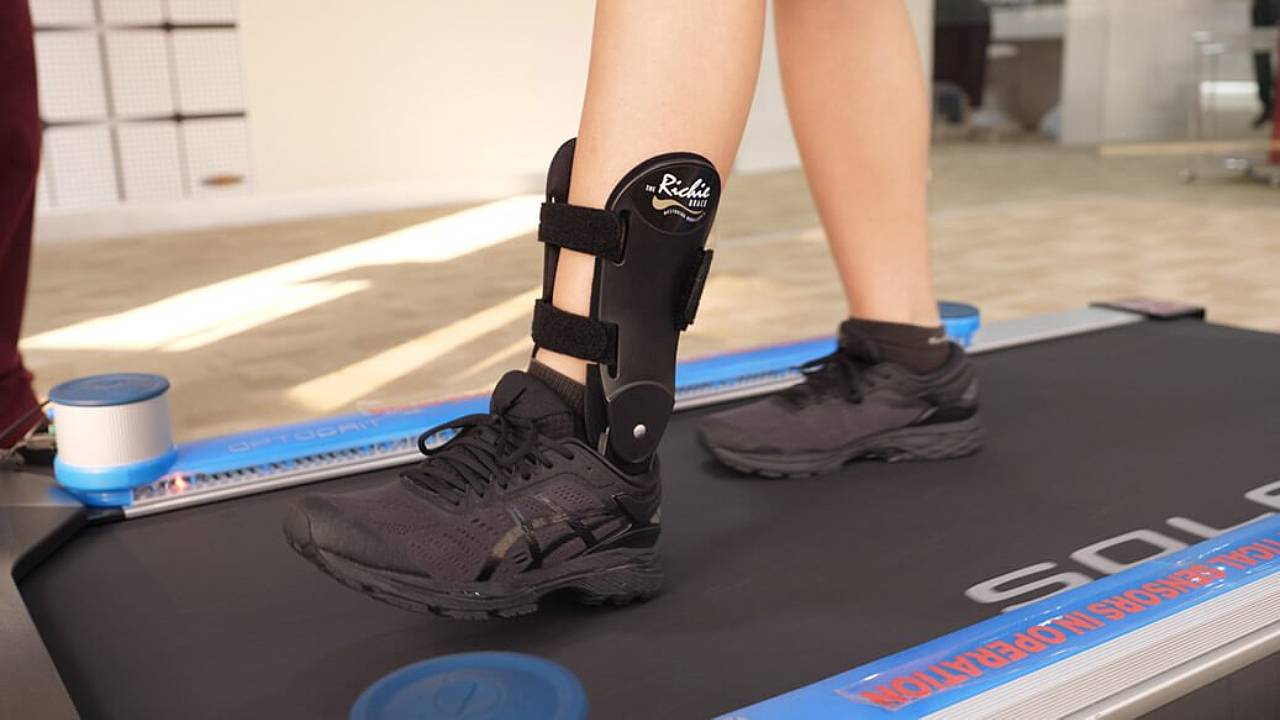
What exactly makes a shoe suitable for someone who prefers or requires a toe-walking gait? The science is precise and non-negotiable. A true supportive shoe in this category addresses several key biomechanical factors. First, it features a firm heel counter. This is the rigid part at the back of the shoe that cups the heel, preventing excessive side-to-side motion and providing crucial stability to discourage heel lift. Second, it incorporates substantial arch support. As noted in podiatric literature from sources like the American Podiatric Medical Association, proper arch support distributes pressure evenly across the foot, reducing strain on the plantar fascia and Achilles tendon, which are often under stress in toe walkers. Third, these shoes often have a rocker sole—a subtly curved bottom that promotes a smoother, rolling gait from heel to toe, encouraging a more natural walking motion even if the wearer has a tendency to forefoot strike. Brands leading this charge are utilizing advanced materials like memory foam infused with cooling gels, flexible yet supportive thermoplastic urethane (TPU) shanks, and breathable, stretch-knit uppers that accommodate custom orthotics. The goal is to create an environment where the foot is guided, supported, and cushioned without feeling restricted. This meticulous engineering is what transforms a simple shoe into a tool for effortless, pain-free movement, allowing the wearer to focus on where they’re going, not how they’re walking.
Curating Your Chic Arsenal: Styles That Speak Volumes
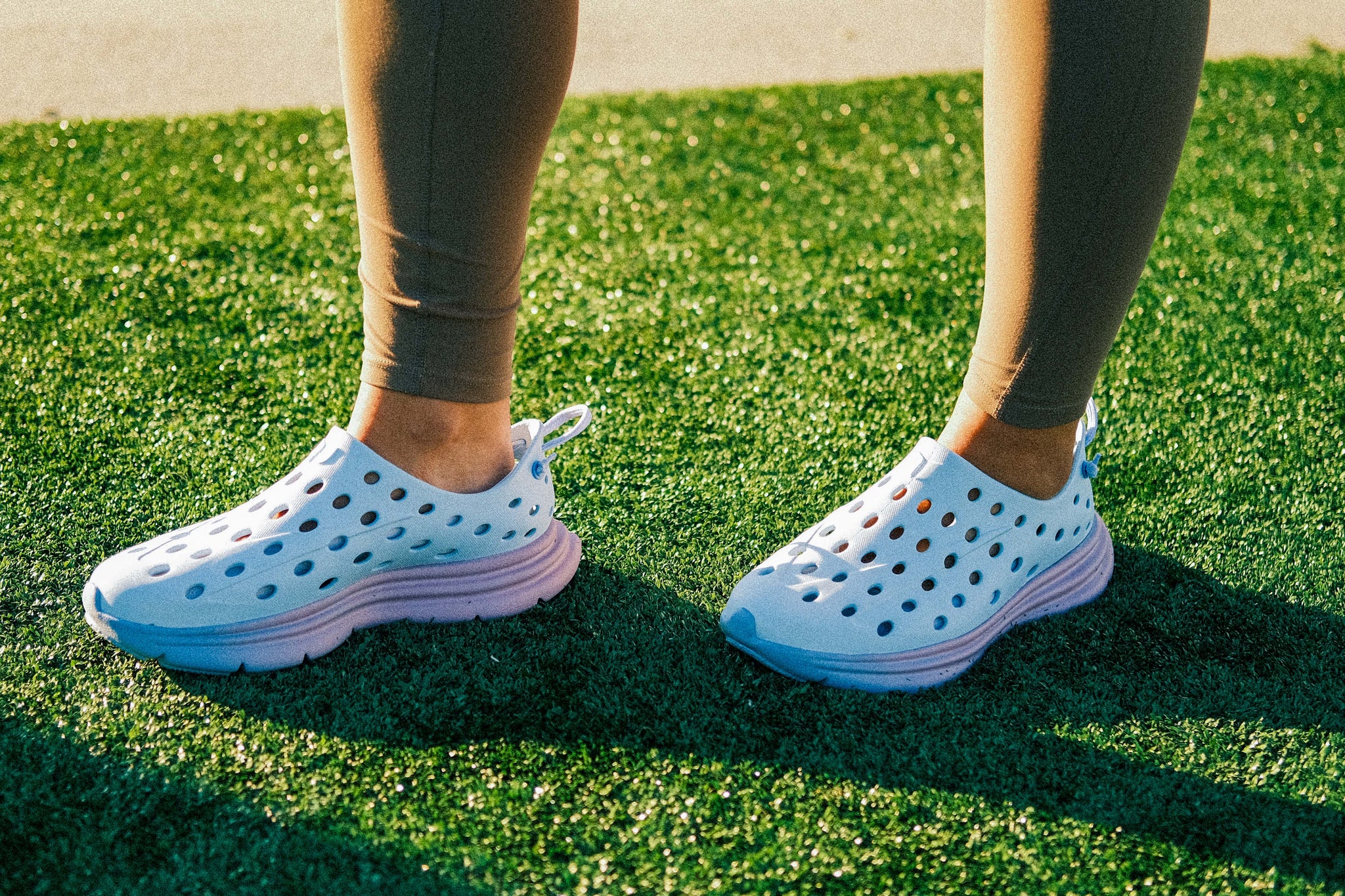
Gone are the days of a single, bulky option. The modern market for supportive footwear is as diverse as any high-street fashion lineup. Let’s explore the key styles that form the cornerstone of a chic, foot-conscious wardrobe. The Elevated Sneaker is perhaps the most significant game-changer. Imagine the comfort and casual appeal of your favorite trainer, but with hidden internal architecture that provides medial-lateral stability and motion control. These sneakers come in neutral tones, clean leather, and sophisticated mesh designs, pairing perfectly with everything from tailored trousers to weekend denim. Next, we have the Architectural Loafer. This style takes the classic slip-on and infuses it with structure. A slightly wider toe box accommodates natural toe splay, while a hidden, supportive footbed and a stable, low-profile sole ensure all-day comfort. It’s the perfect intersection of professional polish and ergonomic intelligence. For those moments that demand elegance, the Reinforced Ballet Flat is a savior. Unlike flimsy versions that offer zero support, these flats are built with a non-slip, cushioned insole, a reinforced heel, and often a slight platform to reduce calf tension. They prove that dainty and durable are not mutually exclusive. Finally, consider the Adaptive Ankle Boot. Designed with side zippers for easy access and lined with supportive padding around the collar, these boots offer superior ankle stability in a package that looks effortlessly trendy. Each of these styles embodies the principle that toe walker shoes are not a monolithic category but a spectrum of fashionable choices.
The Orthotic Integration: A Seamless Partnership
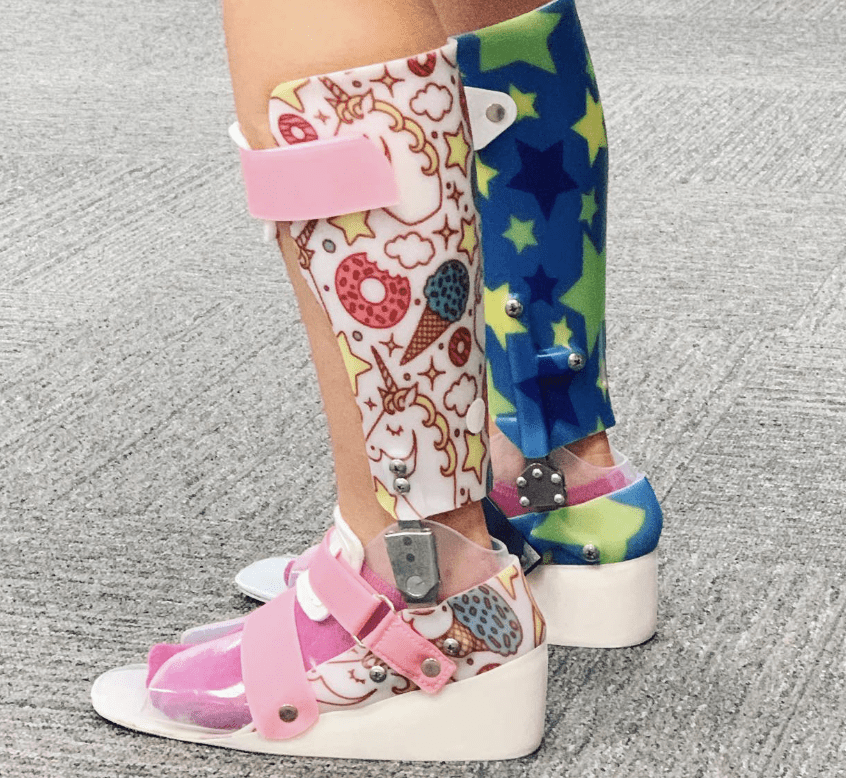
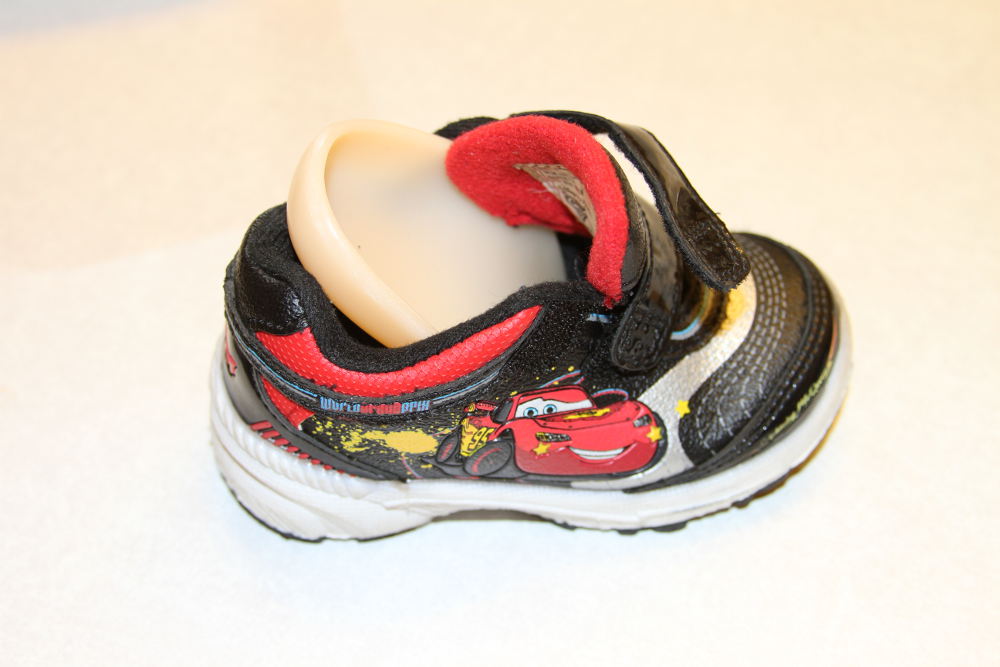
For many, the journey to comfortable walking involves custom orthotics prescribed by a podiatrist or pedorthist. The beauty of contemporary toe walker shoes is their innate compatibility with these medical devices. A common frustration has been finding stylish shoes with a removable insole and enough volume to house a custom orthotic without cramping the foot. The new wave of designs solves this elegantly. They are constructed with extra depth in the toe box and through the arch, allowing the orthotic to sit flush without causing the top of the foot to press against the shoe’s upper. The insoles are typically lightly glued or simply placed in, making them easy to remove and replace. As lifestyle expert and advocate for accessible design, Emily Henderson, once noted on her platform, “The best design is invisible design—it works for you without you having to think about it.” This philosophy is paramount here. The shoe becomes the beautiful, functional shell that works in perfect harmony with your personalized orthotic system. It’s a partnership where fashion provides the form, and science ensures the foundational function, creating a holistic solution for foot health and style.
Investing in Your Stride: Value Beyond the Price Tag
When discussing footwear of this caliber, the conversation naturally turns to investment. It’s crucial to frame this not as an expense, but as a long-term investment in your mobility, comfort, and personal expression. High-quality supportive shoes are engineered with durable materials—premium leathers, high-grade rubbers, and resilient textiles—that withstand daily wear far better than fast-fashion alternatives. This durability translates to cost-per-wear value. While the initial price point for leading brands like Kane Footwear, Vionic, or certain adaptive lines from mainstream designers may range from $120 to $250, the longevity and daily benefit they provide are immense. Furthermore, the market is increasingly responsive. Many direct-to-consumer brands offer significant discounts for first-time subscribers, seasonal sales events can see prices drop by 20-30%, and some therapeutic footwear retailers provide insurance reimbursement assistance. The real value, however, is intangible: the confidence of a pain-free step, the empowerment of a stylish silhouette, and the freedom to move through your day without foot fatigue holding you back. This is where professional knowledge meets practical savings—understanding what to look for (a firm heel counter, removable insole, adequate depth) prevents costly trial-and-error purchases, ensuring your investment is sound from the first step.
We stand at a fascinating intersection of wellness and aesthetics. The journey through the world of modern toe walker shoes reveals a clear truth: you do not have to sacrifice your style narrative for the sake of comfort and support. The tools for effortless chic are here, meticulously designed to honor the biomechanics of your stride while celebrating your unique fashion identity. This is more than footwear; it’s a foundation for how you move through the world—with stability, grace, and uncompromising style. Your next step isn’t just a movement; it’s a declaration.