

The Ultimate Guide to Effortless Elegance
Elegance is not about being noticed; it is about being remembered for the right reasons. It is a quiet confidence, a sense of harmony, and an intelligent curation of self that feels both personal and polished. This guide moves beyond fleeting trends to explore the foundational principles of a style that is timeless, adaptable, and uniquely yours. We will dissect the components of effortless elegance, from mindset to wardrobe, providing you with objective knowledge and practical strategies to embody it in your daily life.
The Philosophy of Effortless Elegance
The concept of “effortless” is often misunderstood. It does not imply a lack of effort, but rather the mastery and intention behind choices that make the outcome appear seamless. As the renowned fashion designer Coco Chanel once articulated, “Elegance is not the prerogative of those who have just escaped from adolescence, but of those who have already taken possession of their future.” This speaks to a maturity of style rooted in self-knowledge. Psychologically, the “effortless” aesthetic aligns with the concept of cognitive fluency—the human tendency to prefer things that are easy to think about and process. An elegantly put-together outfit creates visual harmony, reducing cognitive “noise” for the observer and projecting an image of competence and calm. This philosophy rejects the chaotic and the overly adorned in favor of clarity, quality, and coherence. It is about building a personal uniform that serves you, rather than serving the clothes. When you understand the principles of color, fit, and proportion, getting dressed ceases to be a daily challenge and becomes a swift, affirming ritual.
The Cornerstones of a Curated Wardrobe
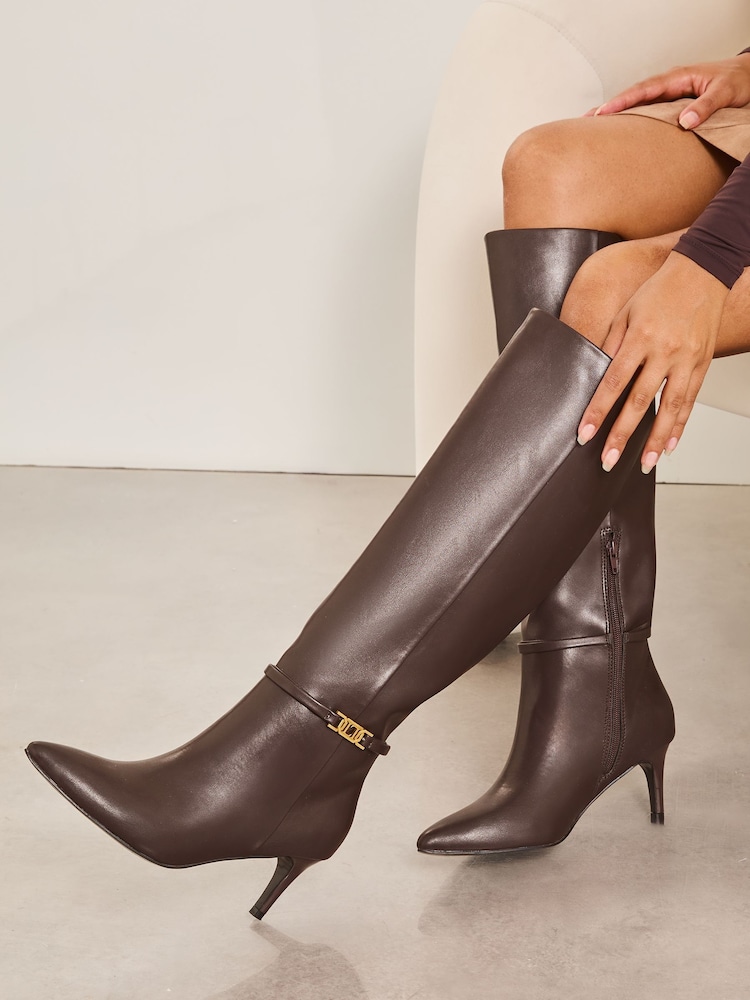
A wardrobe built for elegance is built on pillars of quality, versatility, and personal relevance. The Pareto Principle, or the 80/20 rule, is highly applicable here: you likely wear 20% of your clothes 80% of the time. The goal is to intentionally expand that 20% to encompass your entire closet. This begins with a ruthless edit and an investment in foundational pieces. According to research from the University of Hertfordshire on fashion psychology, wearing clothes that are deemed “appropriate” and that fit well significantly boosts confidence and perceived authority. Key items include a perfectly tailored blazer, well-cut trousers, a crisp white shirt, and a little black dress that feels like a second skin. The focus should be on superior fabrics—natural fibers like wool, silk, cotton, and linen—which not only look and feel better but also behave more gracefully over time. The color palette should be cohesive, anchored in neutrals that can intermingle effortlessly. Into this neutral foundation, you introduce strategic points of interest, perhaps through texture, a single piece of statement jewelry, or a pair of shoes that speaks volumes, like a classic pair of chocolate brown heels.
The Power of Neutrality and the Statement Shoe
Neutral colors—black, white, navy, camel, and grey—form the silent language of elegance. They provide a versatile canvas that allows for infinite combination while projecting sophistication. The science of color psychology, as documented by institutions like the Pantone Color Institute, confirms that neutrals are often associated with stability, reliability, and timelessness. They do not fight for attention; they provide it. The true personality of an elegant outfit often emerges from its accessories, and footwear is paramount. A statement shoe is not necessarily loud; it is definitive. It is the perfect finish to a neutral ensemble. Consider the chocolate brown heels: a color rich and warm, derived from the earth, it carries connotations of reliability, comfort, and understated luxury. Unlike black, which can be stark, brown offers a softer, more approachable contrast. As style icon Meghan Markle has often demonstrated, a mid-to-dark brown heel can ground a pale dress or complement an autumnal palette with unmatched warmth. It is a color that works seamlessly from season to season, from office to evening. The right pair of chocolate brown heels is not just a shoe; it is an anchor, a touch of intelligent warmth that completes the narrative of your outfit.

Mastering Fit, Proportion, and Silhouette
Clothing that fits poorly can undermine the most expensive wardrobe. Elegance is inextricably linked to the relationship between garment and body. The Golden Ratio (approximately 1.618:1), a mathematical principle observed in nature and classical art, is subconsciously perceived as beautiful and can be loosely applied to styling. For instance, balancing a voluminous top with a slim bottom, or vice versa, creates a more visually pleasing silhouette than an entirely boxy or entirely tight look. Tailoring is non-negotiable. Even ready-to-wear items often require minor adjustments—a nip at the waist, a shortening of a hem—to look custom-made. The objective is to create clean lines that flatter your unique shape. A well-fitted sheath dress, a pair of trousers that breaks just right on the shoe, a jacket sleeve that reveals a sliver of shirt cuff—these are the details that signal care. This principle applies universally. Whether you are wearing a casual knit and jeans or a formal suit, the intent should be to create a silhouette that is balanced and intentional. Pairing a flowing midi skirt with a fitted turtleneck and those reliable chocolate brown heels creates a proportion that is both modern and classically elegant.
The Role of Texture and Subtle Detail
When color is restrained, texture becomes the primary storyteller. It adds depth, interest, and tactile appeal to an outfit. Combining different textures—say, a chunky knit with sleek leather pants, or a silk blouse with a tweed skirt—prevents a neutral palette from appearing flat. This concept is championed by designers like Phoebe Philo, whose work for Céline was a masterclass in minimalist texture play. Details must be deliberate: the choice of buttons, the finish of a seam, the hardware on a bag. As the writer Tom Ford famously stated, “Dressing well is a form of good manners.” This extends to the unseen details: clothes that are clean, pressed, and in good repair. A scuffed shoe or a loose thread can unravel the illusion of effortlessness. Therefore, maintaining your wardrobe is as important as building it. Regularly polishing leather goods, steaming garments, and storing items properly are the unsung rituals of elegance.

Effortless Elegance in Practice: From Day to Evening
The ultimate test of a style philosophy is its adaptability across the contexts of your life. Effortless elegance provides a framework that is inherently flexible. For the professional environment, it champions “power dressing” redefined: not as aggressive shoulder pads, but as quiet authority through impeccable tailoring and quality materials. A navy blazer, a cream silk shell, tailored trousers, and loafers or low chocolate brown heels communicate competence without shouting. For casual days, the principles hold: well-fitting denim, a simple merino wool sweater, and clean white sneakers or ankle boots achieve a look that is put-together yet relaxed. The transition to evening is where elegance truly shines. Instead of a complete costume change, think of evolution. Swap the daytime loafers for those elegant chocolate brown heels. Add a piece of heirloom-quality jewelry—a single strand of pearls or bold cuff. Exchange the blazer for a luxurious cashmere wrap. The foundation remains, but the accents elevate. This approach is not only stylish but efficient, aligning with the “capsule wardrobe” concept popularized by experts like Susie Faux, which emphasizes a small collection of interchangeable, high-quality items.
Cultivating the Mindset: The Intangible Element
Finally, true elegance is an inside-out phenomenon. It is reflected in posture, grace of movement, and how one engages with the world. Studies in non-verbal communication, such as those from UCLA, indicate that over 90% of emotional communication is non-verbal. Carrying yourself with poise—shoulders back, head held high—immediately elevates any outfit. Elegance is also about generosity of spirit and attentiveness to others; it is the opposite of self-absorption. It finds inspiration everywhere, from the architecture of a building to the color palette of a classic film like “Breakfast at Tiffany’s.” It values experiences over possessions, but chooses those possessions wisely. It understands that investing in a few perfect items, perhaps from a brand known for its craftsmanship and currently offering a seasonal discount, is more elegant and economically sound than accumulating clutter. Bringing professional knowledge—like understanding why a certain cut flatters or which fabric will last—empowers you to make smarter purchases, especially when combined with discerning shopping during sales periods, allowing you to acquire superior quality at a more accessible price point.

Effortless elegance, therefore, is a holistic practice. It is the synthesis of informed choice, refined aesthetics, and personal authenticity. It begins with understanding the principles of design and fit, builds upon a foundation of quality and neutral versatility, and is animated by the confidence that comes from self-knowledge. It is knowing that the perfect finishing touch might just be a pair of beautifully crafted chocolate brown heels. When these elements align, style ceases to be something you put on and becomes something you embody—a quiet, powerful, and utterly personal signature.
