The Ultimate Guide to Walking Shoes for Every Outfit
Choosing the right footwear is not merely a fashion statement; it is a foundational decision for your physical well-being and daily comfort. The perfect pair of walking shoes seamlessly bridges the gap between style and biomechanical support, becoming an indispensable component of your wardrobe. This guide is designed to navigate you through the intricate world of walking footwear, providing objective insights and professional knowledge to help you select shoes that complement your outfit while safeguarding your stride. We will dissect the science behind a proper fit, explore styles for various occasions, and even touch upon how to find quality at a discounted price. Remember, the goal is to find those ideal shoes to walk in that feel as good as they look.
The Biomechanics of Walking: Why Your Shoes Matter
Before we delve into aesthetics, we must understand the mechanics at play. Walking is a complex series of movements involving heel strike, foot flattening (pronation), and toe-off. According to literature from Harvard Medical School, improper footwear can lead to a cascade of issues, including plantar fasciitis, shin splints, and knee or hip pain. The right shoes to walk in act as a critical interface between your body and the ground, providing cushioning to absorb impact and stability to guide your foot’s natural motion. A study cited on the university’s health blog emphasizes that footwear is a modifiable factor in preventing overuse injuries. Think of your feet as the foundation of a building; if the foundation is unstable or poorly supported, the entire structure—your ankles, knees, hips, and back—is compromised. Therefore, selecting footwear is not a trivial fashion choice but a decision with significant physiological implications. The arch support, midsole density, and heel counter are not just industry jargon; they are engineered components that work in concert to distribute pressure and maintain alignment from the moment your heel touches the pavement to the push-off of your toes.
Decoding Shoe Anatomy: Cushioning, Support, and Fit
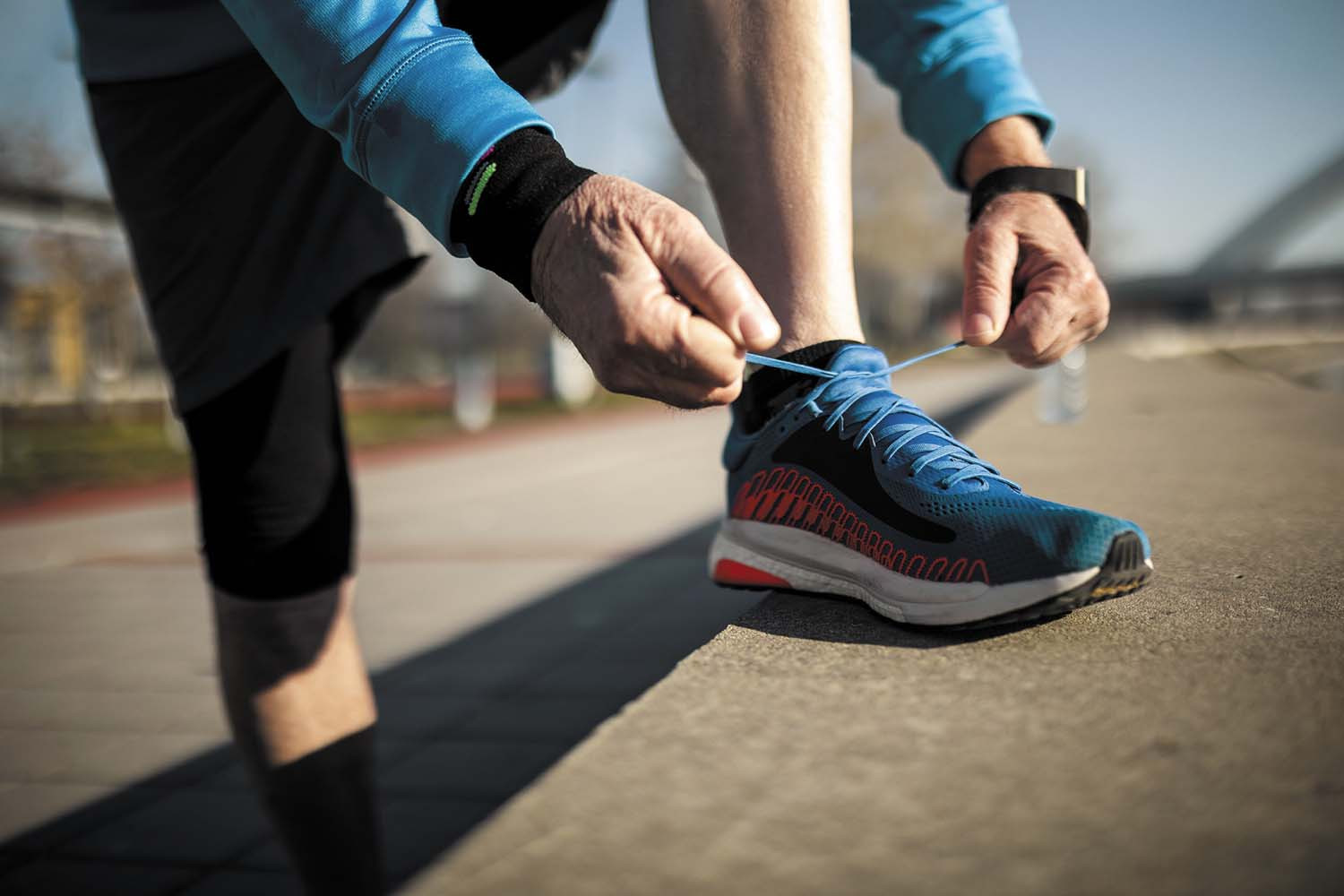
Let’s move from the general to the specific. A walking shoe’s efficacy lies in its construction. The upper, typically made from mesh or leather, should offer breathability and a secure, non-constricting fit. The midsole, often composed of EVA (ethylene-vinyl acetate) or polyurethane foam, is the heart of cushioning. However, as noted by podiatrists on platforms like Quora, more cushioning is not universally better; it must be balanced with responsiveness. The insole or sock liner should be removable, allowing for custom orthotics if needed. Perhaps most crucial is the heel counter—the firm cup at the back of the shoe. A study referenced in the Journal of Foot and Ankle Research highlights that a rigid heel counter significantly reduces excessive rearfoot motion, enhancing stability. When you try on a pair, perform this simple test: press on the back of the heel. It should not collapse easily. Furthermore, there should be about a thumb’s width of space between your longest toe and the end of the shoe to allow for natural foot swelling and movement during your gait cycle. This precise fit is what transforms an ordinary shoe into a reliable tool for mobility, a true pair of shoes to walk in for miles without discomfort.
Style Synergy: Matching Shoes to Your Wardrobe Vibe
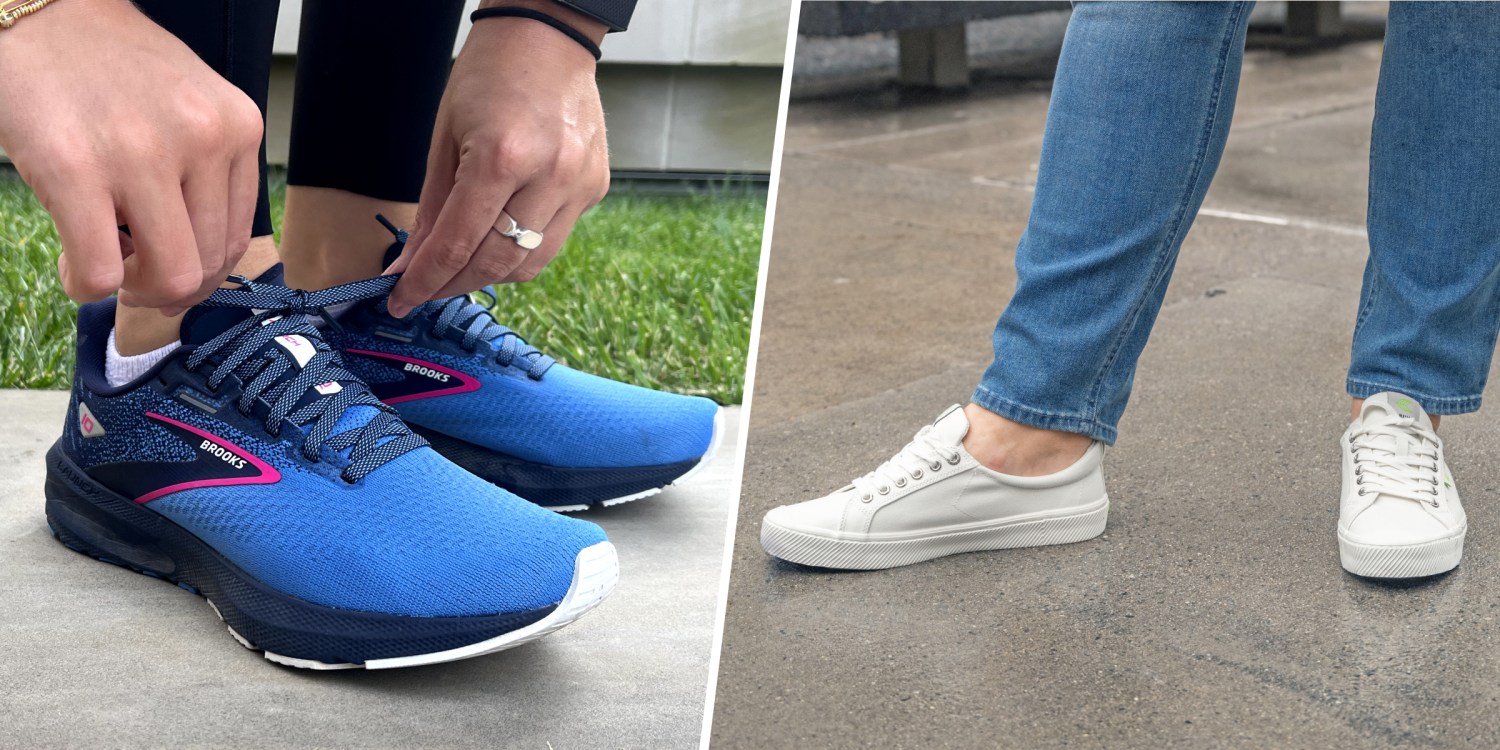
Now, we harmonize function with form. The notion that comfortable shoes must be clunky is a dated misconception. Today’s market offers a plethora of stylish options that do not sacrifice support. For a smart-casual or business-casual ensemble, consider leather walking shoes or sophisticated sneakers with clean lines and neutral tones. Brands have innovated to include hidden arch support and flexible yet durable soles in these designs. For athleisure wear, the classic supportive sneaker reigns supreme. Look for models with a streamlined silhouette in versatile colors like white, grey, or black that can transition from a morning walk to running errands. As fashion icon and actress Victoria Beckham once noted, after years in high heels, she now champions the elegance of a well-made, comfortable flat, stating, “It’s about looking appropriate and feeling confident.” This sentiment echoes across style forums, where the consensus is shifting towards “stealth comfort”—shoes that look polished but are engineered for all-day wear. The key is to identify the stylistic cues of your outfit—its formality, color palette, and texture—and select a shoe that complements these while meeting the technical criteria we’ve established.
The Urban Explorer: Shoes for City Streets and Long Days
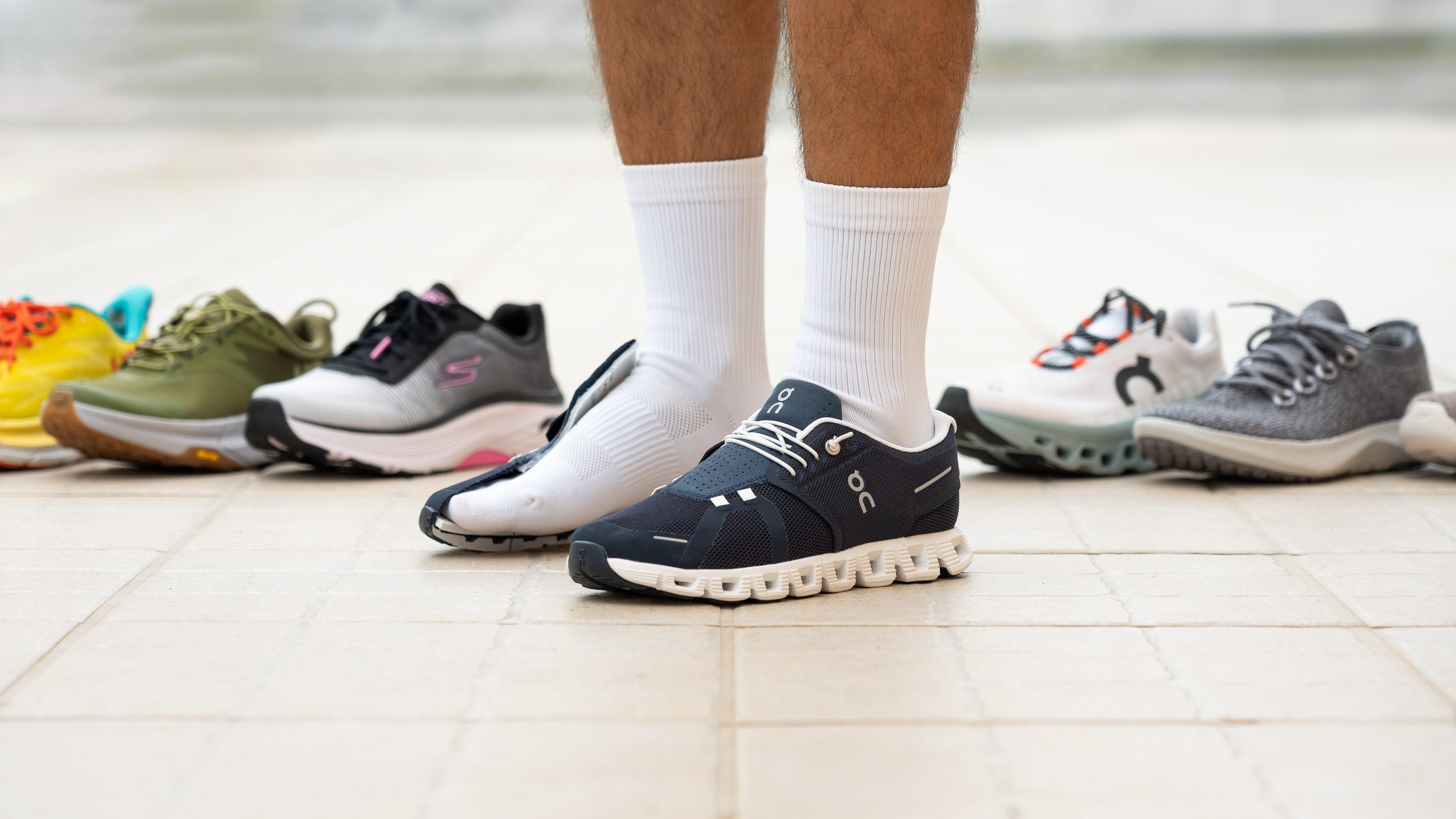
City walking presents unique challenges: hard concrete surfaces, unpredictable weather, and long periods of being on your feet. Your urban shoes to walk in need to be tough, comfortable, and adaptable. A waterproof or water-resistant option is invaluable for navigating rainy streets. The outsole should offer excellent grip on wet pavement, often indicated by a multi-directional tread pattern made of carbon rubber for durability. Cushioning here is paramount due to the unyielding nature of sidewalks. Many renowned footwear review websites point to technologies like Adidas’s Boost or ASICS’s GEL as providing exceptional energy return and shock absorption for urban environments. Furthermore, consider weight. A lighter shoe reduces leg fatigue over thousands of steps. The upper should be durable yet breathable to prevent overheating. Imagine you’re a tourist exploring a new metropolis from dawn until dusk; your shoes are your most vital piece of equipment. They must withstand the rigors of the urban jungle while keeping your feet in a state of supported comfort, allowing you to focus on the experience, not on your aching feet.
Investment and Value: Finding Quality at a Discount
High-quality walking shoes are an investment in your health, but that doesn’t mean you must pay full retail price. Strategic shopping can yield significant savings. First, identify the specific model that fits your biomechanical needs through professional fitting or thorough research. Once you have the model name, you can hunt for deals. End-of-season sales, holiday promotions, and clearance events on brand websites or authorized retailers are prime opportunities. As consumer experts on platforms like YouTube often advise, signing up for brand newsletters can grant early access to sales and exclusive discount codes. Additionally, consider previous seasons’ models. The core technology—the cushioning system, stability features, and last (the shoe’s form)—often remains largely unchanged for a few years, with only cosmetic updates. A model from last year can frequently be found at 30-50% off, offering identical performance at a fraction of the cost. Remember, the goal is to acquire the best shoes to walk in for your needs. Paying less for a functionally identical product is a smart financial decision that allows you to potentially invest in multiple pairs for different outfits and occasions without compromising on quality or support.
Beyond the Purchase: Care and Longevity
Your relationship with your walking shoes does not end at the checkout. Proper care extends their lifespan and maintains their performance. Rotate between two or more pairs if possible. This allows the midsole foam to decompress and regain its shape, drastically improving the shoe’s longevity and consistent cushioning. Avoid machine washing, as the agitation can break down structural adhesives and deform the midsole. Instead, clean the upper with a soft brush, mild soap, and water. Stuff them with newspaper to dry naturally, away from direct heat. It’s also crucial to recognize when to retire them. Most experts, including those cited in Runner’s World articles, agree that walking shoes lose a significant portion of their cushioning and support after 300-500 miles of use. Wearing shoes beyond their functional life, even if the upper looks fine, exposes you to the same injury risks as wearing poorly designed shoes in the first place. By maintaining your shoes and recognizing their lifespan, you ensure that every step you take continues to be supported, comfortable, and stylish.
The journey to finding the perfect walking shoes is a fusion of science, style, and savvy. It requires an understanding of your body’s mechanics, an eye for design that complements your personal aesthetic, and the wisdom to seek value without sacrificing quality. The right pair is out there—shoes that empower your stride, elevate your outfit, and carry you confidently through every part of your day. Let your choice in footwear be a deliberate one, prioritizing a foundation of support that allows your personal style to truly flourish, step after comfortable step.