

A pair of tassel shoes for women gets one job in most closets: the smart-casual slot, the one that has to cover a Thursday meeting, a Friday dinner and a Saturday morning run to the shop. That’s a lot of work for one pair, and the results are mixed. Most people find out in week two which of the three occasions the shoes actually suit.
The interesting part is that the answer changes with trouser length, not with the shoe. Same pair, three rooms, three different verdicts. If you’ve already bought a pair and it’s sitting by the door unused, the reason is probably in the second paragraph below.
What follows is what buyers report after living with a pair for a month, plus the swaps that work and the one that reliably doesn’t. Read it before you spend, or before you decide the pair you own was a mistake.
One pair, three rooms: what actually changes
Start with the office. Tassel shoes sit low on the instep and close to the foot, which is why they read formal enough for a meeting room with a skirt or a wide-leg trouser. The tassel adds weight at the vamp, and that weight is what keeps the shoe from looking like a house slipper in a neutral colour. Tassel shoes for women work here for a dull reason: the detail makes a plain shoe look intentional.
Dinner is the easy one. The same pair works if the trouser is cropped and the ankle is visible. It stops working when the hem breaks over the shoe, because the tassel disappears and the whole thing reads as a flat with extra fiddly bits.
Saturday is where most pairs get demoted. A tassel loafer on a wet pavement in November is a different object from a tassel loafer indoors. Smooth leather survives rain with a wipe. Suede doesn’t, and one 20-minute walk in drizzle is enough to leave a tidemark that never fully lifts.
So: three rooms, and the shoe is only really at home in two of them. That’s not a design flaw. It’s what a single pair covering three occasions always costs.
- Office: works with tailored trousers, midi skirts, dark denim on a Friday.
- Dinner: works if the ankle shows, fails under a full-length hem.
- Weekend errands: works in dry weather on smooth leather, fails in rain and on suede.
Buyers who get the most out of one pair treat the weekend as the exception, not the default. The shoes live by the door for two days a week and in a bag for the other three. That’s a reasonable deal for a pair that costs less than a single evening heel.
If your week looks like that, buy accordingly. You don’t need the pair to survive a wet car park, so a suede version is fine and will look better at dinner. If your week includes a school run on foot and a bus stop with no shelter, you need the smooth leather version and you’ll be glad you chose it by February.
Here’s a shortcut worth knowing. Count the outdoor minutes in your average day. Under 20 minutes and almost any material works. Over 40 minutes in a wet season and you’re buying leather, not suede, whatever the shop lighting suggests.
The swap that fails, and why it fails
The swap most people try first is the trouser. Take the same tassel pair from a cropped wide-leg to a full-length straight leg, and the shoes vanish. The hem sits on the vamp, the tassel is covered, and the outfit loses the detail that justified the purchase.
This is a proportion problem, not a style problem. A low-vamp shoe needs visible ankle to register. Cover the ankle and the shoe has no silhouette left, so the eye reads it as a plain flat with a bumpy top.
The fix is a hem that lands 2cm to 4cm above the shoe, or a trouser with a slightly tapered leg that stops at the ankle bone. Anything below that line and the pair needs a heel to carry it. That’s why so many women end up buying a second pair in the same colour with a 50mm heel: it’s the same outfit logic, rescued by height.
The other failed swap is the sock. A thin no-show sock keeps the shoe reading formal. A visible cotton sock turns the same pair into something distinctly collegiate, which is fine on a Saturday and wrong in a meeting. Neither option is better, but the shoe can’t do both at once on the same day.
One more: the bag. Tassel shoes with a soft slouchy tote read casual, and the same pair with a structured bag reads office. Buyers notice this after the fact, usually when the outfit photos don’t match the mirror.
Before you blame the shoes, try the outfit with a different trouser length. It takes two minutes and settles the question faster than anything else you can change. If the hem is the problem, you’ll see it immediately: the tassel disappears and the shoes look like an afterthought.
What a tassel does to a silhouette at ankle height
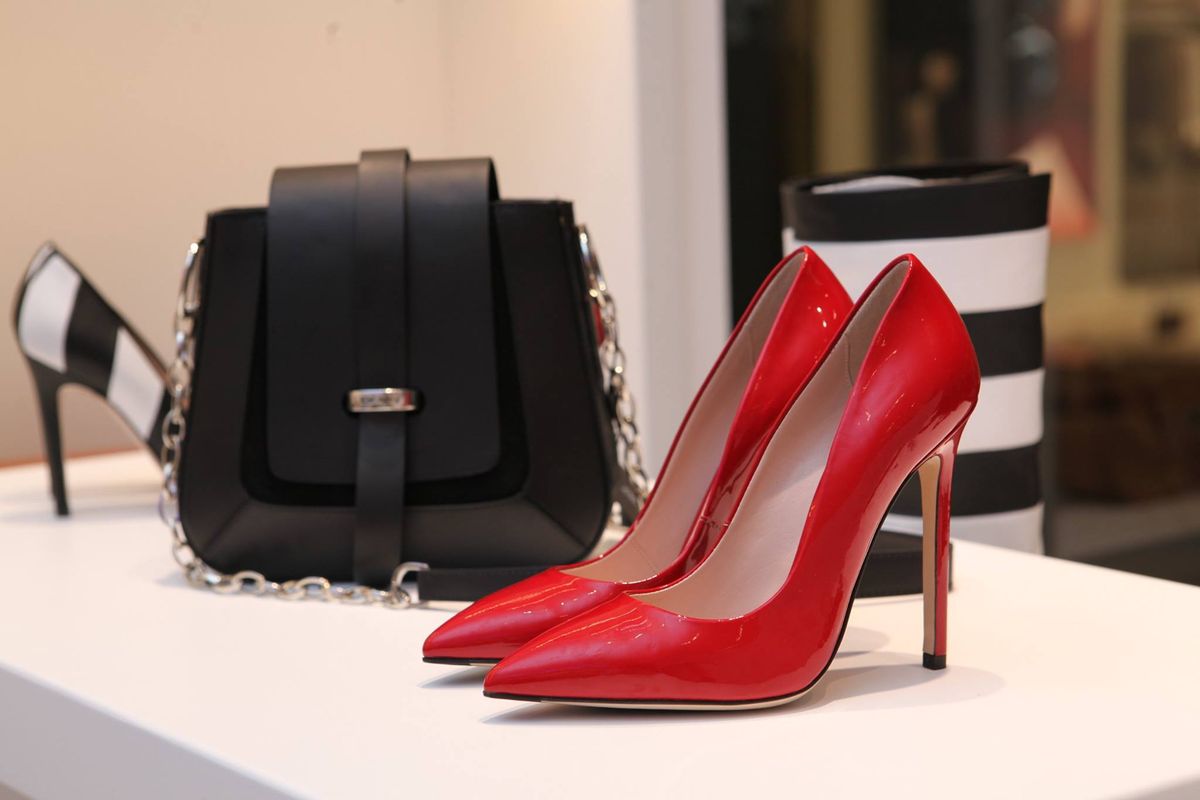
An ankle is the narrowest point of the leg from the front, and any shoe detail placed at that height draws attention to it. A tassel sits right at the top line of the vamp, which means it visually widens the ankle by a few millimetres. On a 22cm ankle that’s nothing. On a wider ankle or a heavier calf, it can tip the balance.
This is where the honest advice differs from the marketing. Tassel shoes flatter most people, but they flatter narrow ankles and slim legs more. If the ankle is wide and the trouser is cropped, the tassel competes with it, and the eye goes to the shoe rather than the line of the leg.
There’s a workaround, and it’s simple: choose a smaller tassel. A 3cm tassel adds detail. A 6cm tassel becomes the subject. Most of the pairs sold as “statement” have the bigger one, and most of the pairs that get worn weekly have the small one.
The history of the loafer explains why the detail sits there at all: the tassel started as a shoelace substitute on a slip-on, and it survived because it gives the eye something to land on at an otherwise empty vamp. Take a moment with that idea. The detail isn’t decoration, it’s structure. Remove it and you have a plain flat, which is a different shoe and needs a different outfit.
So if the tassel feels like too much on your foot, the answer isn’t a smaller tassel, it’s a different shape. A pointed toe with a slim heel gives you the same formal read without anything sitting on the ankle. You’ll know within a minute of trying one which direction suits you.
Penny loafers have the same issue with the strap. Buyers who like the tassel but not the width often end up in a plain vamp with a stitched apron instead, which does the same job with less noise.
Worth noting for anyone deciding between the two: the tassel moves when you walk, the penny strap doesn’t. Movement draws the eye more than contrast does. That’s the real difference, and it’s the reason the tassel pair photographs better and gets chosen less often for a Monday.
Suede or smooth leather, decided by weather rather than taste
The material question has an obvious answer that most shoppers ignore until the first wet week. Smooth leather takes rain, wipes clean and holds a shape for years. Suede is softer from day one and looks better in the box, and it’s the wrong choice for anyone commuting on foot in a wet climate.
Not a small difference, either. A suede pair worn through one British or northern-Chinese winter will show salt lines at the welt, a matted nap on the toe, and dark patches where water sat. None of it brushes out completely. The structure of suede leather is why: the surface is the flesh side of the hide, sanded open, and open fibres take in water fast.
Protector spray buys time, not immunity. Two coats before the first wear helps, and it needs reapplying every few weeks in a wet season, which almost nobody does. The people whose suede looks new after two years are the ones who spray it monthly and own a suede brush.
For a first tassel pair, black or dark brown smooth leather covers more ground. For a second pair in a dry climate, suede is the nicer object. Buyers in Shanghai, Guangzhou or a Mediterranean city can run suede three seasons a year. Buyers in a city with slush on the pavement from December to February can’t, and no amount of spray changes that. Most tassel shoes for women sold in autumn are suede, which is the wrong season to be showing them.
One detail that matters more than the material: the lining. An unlined suede loafer with no structure collapses at the heel within a season, and a collapsed heel counter is what makes a slip-on start slipping off. Look inside before buying. If the lining is thin synthetic and the shoe has nothing behind the heel, it’s a one-winter shoe. You can feel the difference with a thumb: press the inside of the heel and see whether anything pushes back.
If you’re in a wet city and still want the softer look, the practical route is suede for two pairs and leather for the pair you wear most. That’s more shoes than most people want. The simpler version: buy leather first, add suede later when the first pair has proved the shape works on your foot.
Sizing, heel slip, and the pairs to skip
Tassel shoes for women usually need to run a half size small, but the pattern isn’t universal. Slip-on construction means there’s no lace or strap to hold the foot, so the fit is decided entirely by the width at the ball and the grip at the heel. A pair that fits at the ball but slips at the heel will keep slipping, and an insole makes it worse by lifting the heel further out of the counter.
Three checks before paying:
- Heel slip under 5mm when walking, measured by feel rather than by eye.
- No pressure on the top of the foot when the toes are lifted inside the shoe.
- A thumb’s width of space past the longest toe, checked standing up.
If heel slip is more than a few millimetres, size down rather than adding a heel grip. Grips work for a month and then compress, and the shoe ends up loose again with a sticky patch inside it.
Skip the pair with a fully flat, hard outsole of 3mm or less. It’s fine on carpet, punishing on tile, and it wears through at the ball in one season. A commuting pair with a proper sole unit shows the difference when you flex it: the sole resists at the waist and bends at the ball. Skip the pair with a tassel stitched through a single point, too. That’s where it tears off first.
Also skip anything sold as one-size-fits by width. Slip-ons don’t adapt. If the width is wrong at the ball, no amount of breaking in fixes it, and breaking in only softens what’s already there.
When you try a pair on, do it at the end of the day and walk on a hard floor for at least three minutes. Carpet hides heel slip, and heel slip is the defect you’re looking for. If the shop only has carpet, ask to walk to the door and back on the tile. Any assistant who’s been there a year will say yes without asking why.
Tassel shoes for women tend to sell out in the middle sizes first, so the pair left on the shelf is often the one that fits either very narrow or very wide feet. Check the width before you check the colour.
That’s the whole method. One pair, two rooms it owns, one it borrows on a dry day. Buy the leather version if your week is wet, size down if the heel slips, and keep the tassel small unless you want it to be the outfit.
Two pairs that handle the formal end of this well are these slim commuting heels for long office days and the black satin pair that reads dressy at dinner. Neither is a tassel loafer, and both cover the third occasion a tassel pair can’t. That’s usually the better split than forcing one pair to do everything.
If the fit question is really a width question, this comparison across three sizes on one foot explains which part of a shoe gives first. It’s the same logic that decides whether a tassel pair will stay on.
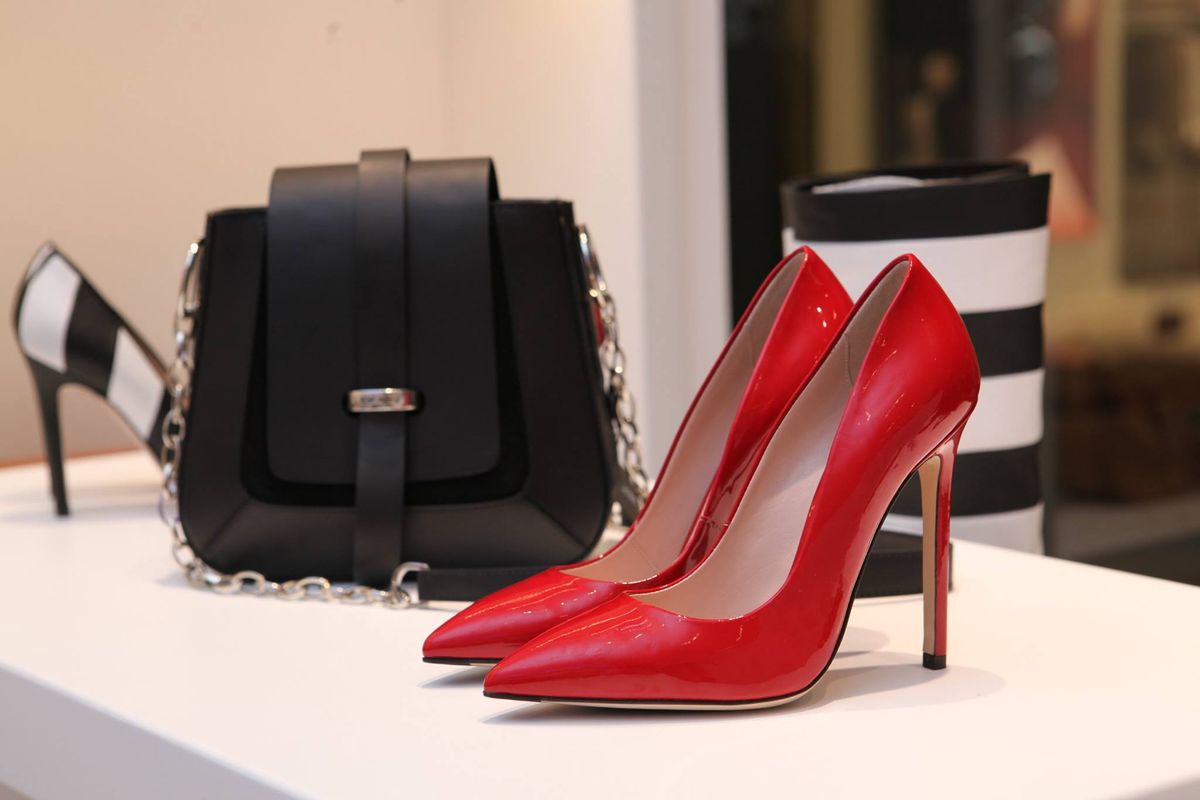
One last thing buyers learn the hard way. A tassel pair worn three days a week will need a new heel top-lift within eight months, and if the tassel is the only detail, a worn top-lift is more visible than it is on a plainer shoe. Budget $10 for the repair and the pair lasts two years instead of one.
Start by counting how many days a week the pair would actually leave the house. Under two, and a low block heel in the same colour will earn its place faster. Browse the heel-height range sorted by office use and pick the one that matches your week, not the one that matches the outfit in the photograph.
