

You bought them because of the outfit. Wide jeans, cropped jacket, and a pair of low skate shoes with a thick white sole that made the whole thing look like a photo from 1996. First day out, you walked 6km through town and by the last kilometre you could feel every paving slab through the sole.
That’s the skate shoe experience in one sentence. Brilliant for standing around looking good in. Not built for getting anywhere.
None of that makes them a bad purchase. It just means you should know what you’re buying, because skate sneakers are one of the few shoe types where the design brief is genuinely different from what most buyers assume.
What actually makes a skate shoe a skate shoe
Five features separate a real skate shoe from a sneaker that looks like one. Only two of them matter to you if you never step on a board, but all five change how the shoe fits and wears.
- Vulcanised sole. Thin rubber fused to the upper, so you feel the surface under your foot. This is board feel, and it’s the reason your heels hurt after a long walk.
- Ollie patch. Extra suede or rubber over the outer toe where grip tape shreds shoes. Adds stiffness across the toes.
- Padded tongue and collar. Protects the ankle from the board. Also makes the shoe warmer than it looks.
- Flat, shallow tread. Enough grip for grip tape, not much for wet pavement.
- Reinforced heel. A stiff counter that stops the shoe collapsing sideways when you land.
A skate shoe is essentially a plimsoll with armour in specific places. That’s the design, and it explains every complaint people have about walking in them.
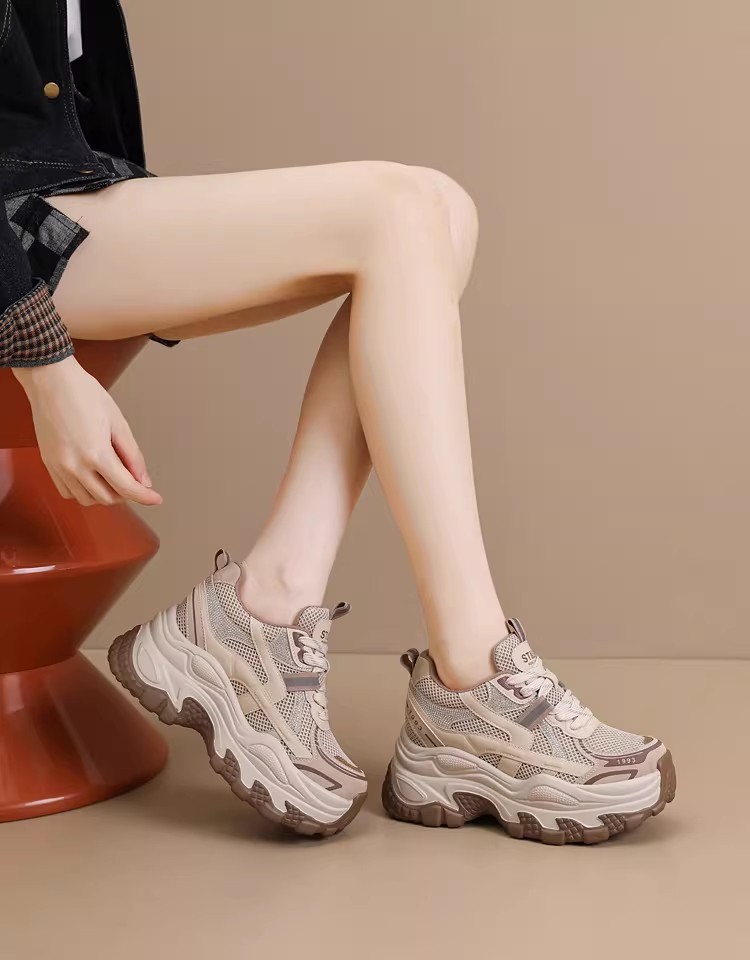
If a pair has a 30mm foam midsole and a chunky tread, it’s a fashion sneaker with skate styling. Nothing wrong with that. It’ll be far more comfortable. It just won’t feel like a skate shoe, and the fit will be completely different.
Board feel is the point, and it’s also the problem
Skateboarders want to feel the board through the sole. A 4mm vulcanised rubber layer does that beautifully. Your heel, unfortunately, gets the same treatment from concrete.
In practice, a skate shoe gives you maybe 3mm of rubber and a thin insole between your foot and the ground. Walking 2km on that is fine. Standing in a queue for an hour is fine. Doing 10,000 steps on pavement is not, and your heels will tell you around kilometre four.
The fix isn’t complicated. Swap the flat insole for a 6mm one with a bit of heel cushioning, which buys you another two or three kilometres. Check the fit afterwards, because a thicker insole pushes your heel up and can turn a good shoe into one that slips.
Don’t expect the sole itself to soften. Vulcanised rubber doesn’t break in the way foam does. It stays exactly as firm in month six as it was on day one, which is why a skate shoe feels the same forever and a cushioned trainer doesn’t.
That permanence is a feature if you like a flat, stable platform. It’s a problem if you were hoping for a forgiving walk.
How a vulcanised sole gets put together
The sole is bonded under heat and pressure rather than glued, which is why the rubber wraps up over the edge of the upper in a visible lip. That wrap is what stops the sole peeling away when the shoe flexes thousands of times.
Vulcanisation is also why skate shoes smell slightly of rubber when new and stop after a week. Nothing to worry about, and it fades.
What it means for shopping: run your thumb along the sidewall. If the rubber lip is bonded flush with a clean edge, it’s a proper vulcanised build and it will hold. If you see a glue line with a thin shadow under it, it’s cemented, and that’s the seam that opens first.
The other tell is weight. A vulcanised skate shoe in an EU 38 usually lands between 280g and 340g per shoe. Lighter than 250g and something’s been left out, usually the toe reinforcement.
They run long. Size down, then check the width
Skate shoes are built on a last designed for a wider foot with a thick sock. In women’s sizing that usually means the shoe runs about half a size long, sometimes a full size in unisex models.
The width is the part that surprises people. A skate shoe is narrow through the arch and wide at the toe, which suits some feet and badly misfits others. If your foot is widest at the ball, you’re fine. If you have a high instep, the padded tongue will press on the top of your foot for the first fortnight.
Two measurements worth taking before you order anything online. Your foot length in millimetres, heel to longest toe, standing. And your foot width across the ball. Skate brands publish a size chart in millimetres for exactly this reason, and it’s more reliable than the EU number.
If you’re between sizes, go down for a vulcanised pair and up for a cupsole pair. Cupsole shoes have a thicker, more padded interior and take up more room.
The honest distance limit
Here’s my rough guide after wearing three pairs into the ground.
- 0 to 2km: no issues at all, comfortable from day one
- 2 to 5km: fine if you’ve swapped the insole, tolerable if you haven’t
- 5 to 8km: heel and forefoot start complaining, especially on concrete
- 8km and beyond: you’ll feel it the next morning, and not in a good way
That’s not a reason to avoid them. It’s a reason to plan around them. Skate sneakers are great for a day that involves sitting, standing, a bit of walking and a lot of looking good. They’re wrong for a city break where you’ll do 15,000 steps a day for four days.
Take two pairs on that trip. The skate shoes for evenings, something with actual cushioning for the daytime.
What you should pay, and what the extra money buys
Two price bands matter here. Under about $65, you’re mostly buying the shape. The upper will be synthetic, the insole will be flat foam, and the sole will be cemented rather than vulcanised on most of them. They look right and they hold up for a season.
Between $65 and $110 you get real vulcanised construction, suede rather than synthetic panels, and a heel counter that doesn’t fold when you press it. That’s the band where the shoe stops being a costume and becomes something you wear for two years.
Above that, you’re paying for a brand name or a collaboration. The materials don’t get meaningfully better, and the sole is the same 4mm rubber it was at $90. I’ve owned an expensive pair and a cheap pair with identical construction. The expensive one had a nicer box.
One thing worth checking before you pay: press the heel counter from both sides. If it bends easily with your thumb, the shoe will collapse sideways and roll your ankle on uneven ground. A proper skate heel is stiff enough that it barely moves.
Second check: look at the stitching where the toe cap meets the vamp. Double stitching there is a sign someone thought about wear. Single stitching on a smooth synthetic panel is a sign they didn’t.
What they work with, and the one look to avoid
Wide-leg jeans are the obvious pairing and the reason most people buy a pair. A straight leg that breaks once over the shoe works better than a wide leg that swallows it whole, because you want a bit of the shoe visible.
Midi skirts work surprisingly well. The volume of a pleated skirt balances the chunk of the sole, and the flat shoe keeps the whole thing from looking like office wear. Tights underneath in winter, bare legs in June.
Tailored trousers are the risky one. A crisp wool trouser over a skate shoe can look like you forgot your real shoes, unless the trouser is deliberately oversized and cropped. If you want that route with less risk, there are dress sneakers that work with tailored trousers and they solve it more neatly.
The look to avoid is the full uniform. Pleated skirt, white shirt, knee socks, skate shoes. It reads as school, and not in the good way.
Breaking them in without wrecking the shape
A vulcanised sole doesn’t stretch. The upper will, a little, and that’s the only part of the break-in that matters.
Wear them for two hours a day for the first week, indoors or on short errands. Pay attention to two spots: the top of your foot under the tongue, and the back of your heel at the collar. Those are where skate shoes bite.
If the tongue presses, lace the shoe one eyelet looser at the top. If the heel rubs, a strip of moleskin on the inside of the counter fixes it in a day, and it stays stuck better than a plaster.
Don’t soak them. The old trick of wetting leather to mould it works on heavy boots and ruins a cemented skate sole, and it will also shrink the canvas versions by about half a size.
One thing to expect: the outer toe will scuff. On a skate shoe that’s fine, it’s what the ollie patch is for. On a fashion pair it’s just wear, and it’s why I’d choose a darker colourway if you’re fussy about that.
Keeping them clean, especially suede ones
Suede skate shoes are the ones people ruin. Brush them dry with a soft suede brush after every wear, before dirt works into the nap. That single habit is the difference between a pair that lasts two winters and one that looks grey by February.
For canvas, cold water and a soft brush, no detergent on coloured panels. Let them air dry stuffed with newspaper, away from any heat source. A radiator will shrink the upper and harden the rubber.
White rubber soles are the fiddly part. A melamine sponge takes off the worst of the marks, but go gently, because it’s mildly abrasive and it dulls the surface where you scrub hardest. Our longer notes on what canvas sneakers survive in the washing machine cover the machine question, which is: mostly, don’t.
One more: take the laces out before you clean them. Laces hold grit, and grit is what scratches the eyelets.
When a skate shoe isn’t the answer
If you need cushioning, look elsewhere. A shoe with a 25mm foam midsole and a rocker shape will do more for your feet over a long day than any skate shoe ever will. These walking shoes with real cushioning underfoot are the practical alternative, and they’ll be the pair you actually reach for on a wet Monday.
Same if your feet are wide at the ball, or if you wear orthotics. A flat vulcanised shoe has no room for a rigid insert, and forcing one in changes the whole fit.
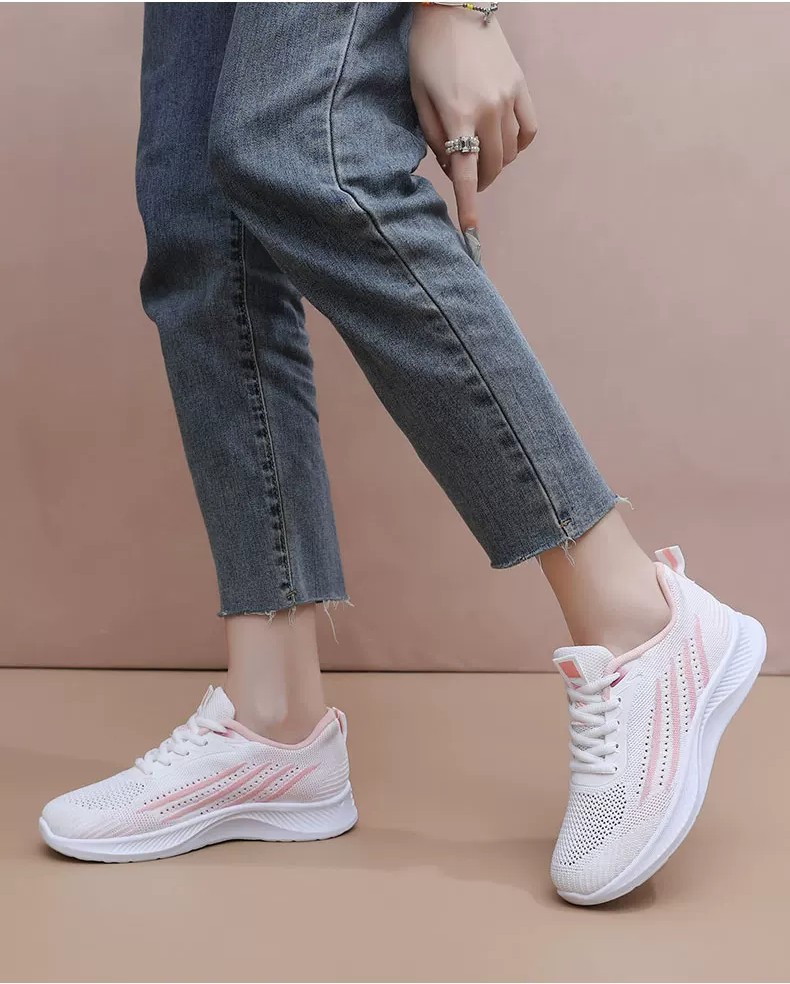
But if you want the flat, low, slightly heavy look that goes with everything you already own, that’s what this shape does better than anything else. A pair like these flat-bottomed board shoes built like skate shoes is the version I’d start with, since the breathable upper makes them wearable in summer rather than just October.
And if the flat sole is the appeal rather than the skate details, that’s a different purchase with different checks. Our guide to what a low sole does to your stride covers the millimetres that matter, and you can compare shapes across the sneakers category before you commit.
Then walk 3km in them before you wear them to anything that matters. It’s the cheapest test there is, and it tells you everything the product page won’t. Most skate sneakers fail at the 4km mark, and finding that out on a dry Saturday is a lot better than finding it out at a wedding.
