

You’ve been buying the same size for eleven years. Then one Tuesday your little toe starts complaining at the 4km mark, and by the evening there’s a red mark on the outside of your foot that wasn’t there before. The shoe isn’t too small. It’s too narrow.
Ladies extra wide walking shoes solve a very specific problem, and most shops solve it badly. They tell you to go up half a size, which adds length you don’t need and leaves the pressure exactly where it was. Or they send you to a men’s fit, which widens the heel as well as the toe box.
Here’s what actually works: knowing your width in millimetres, knowing where your foot is wide, and buying a last built for that. It takes one evening with a piece of paper and a ruler.
I’ve done this three times now, once for a pair that turned out to be a full width too narrow despite the label saying wide. The measuring took eight minutes. The returns queue took two weeks.
Extra wide is a measurement, not a mood
Women’s shoes come in width letters. Standard is B, wide is D, extra wide is 2E, and the very wide end is 4E. Each step up adds roughly 5mm across the ball of the foot.
That’s it. That’s the whole system, and it’s why “extra wide” on a UK high street label can mean something completely different from “extra wide” on a walking brand’s box. Neither is lying. There’s no enforced standard, and brands build their own lasts.
Practically, if standard shoes pinch your little toe but the length is fine, you want 2E. If your foot spills over the sole edge in a 2E, you want 4E. If a 4E still presses, the problem is probably toe box height rather than width, and no width letter fixes that.
The width systems used in shoe sizing differ by country and by maker, which is the boring reason two pairs marked the same size fit nothing alike. Walking shoes tend to run narrower than trainers from the big sportswear brands, because the lasts are built for a different foot.
So ignore the letter on the box until you know your own number. Then compare that number against the maker’s own chart, in millimetres, for that specific model.
One more thing worth knowing about ladies extra wide walking shoes in particular. Walking lasts are usually built wider at the ball than fashion lasts of the same width letter, because the shoe has to accommodate a flexing foot over thousands of steps. A D width walking shoe can feel roomier than a 2E fashion shoe. That’s not a labelling scandal, it’s a different purpose. Judge the shoe on your foot, not on the box.
Cheap wide shoes often get their width by making the upper taller rather than wider. You can spot it by looking at the sole from above: if the sole edge is narrow and the upper balloons out over it, your foot will hang over the edge and roll. A wide shoe should have a wide sole platform under a wide upper.
Measure your foot tonight, with an A4 sheet
A sheet of A4 is 210mm by 297mm, which makes it a free measuring reference. This is the step most people skip when they buy ladies extra wide walking shoes, and it’s the one that stops the returns. Stand on it in the evening, after you’ve been on your feet all day, wearing the socks you’ll actually walk in.
Trace around your foot, keeping the pen vertical. Then measure three things with a ruler. Ball width, from the widest point on the big toe side to the widest point on the little toe side. Heel width, across the back. And length, heel to longest toe.
Most women’s feet land between 88mm and 96mm at the ball. Above 98mm, standard women’s lasts start to hurt. At 102mm and up you’re in 4E territory whatever the label says.
Do both feet. They differ by 2mm to 5mm on most people, and you buy for the bigger one. That single habit prevents most of the rubbing complaints I hear about wide shoes.
Then measure the shoe you already own that fits best, on the inside, with the insole pulled out. That gives you a directly comparable number and it’s far more reliable than any size chart. Write it on your phone. You’ll use it every time you shop.
One caveat. Feet swell. A foot measured at 9am can be 4mm wider at 8pm in warm weather, and wider again after a long flight. Measure late, and don’t buy tight hoping it’ll give.
If tracing feels fussy, the wet footprint test gets you close in thirty seconds. Wet your foot, stand on a dry tile or a sheet of dark paper, and look at the shape. A print with a clear gap between the ball and the outer edge means your foot is narrower than the sole. A print that runs off the outer edge means the opposite. Take a photo of it and keep it next to your measurement. Between the two, you’ll never guess your width again.
Where the extra room sits changes everything
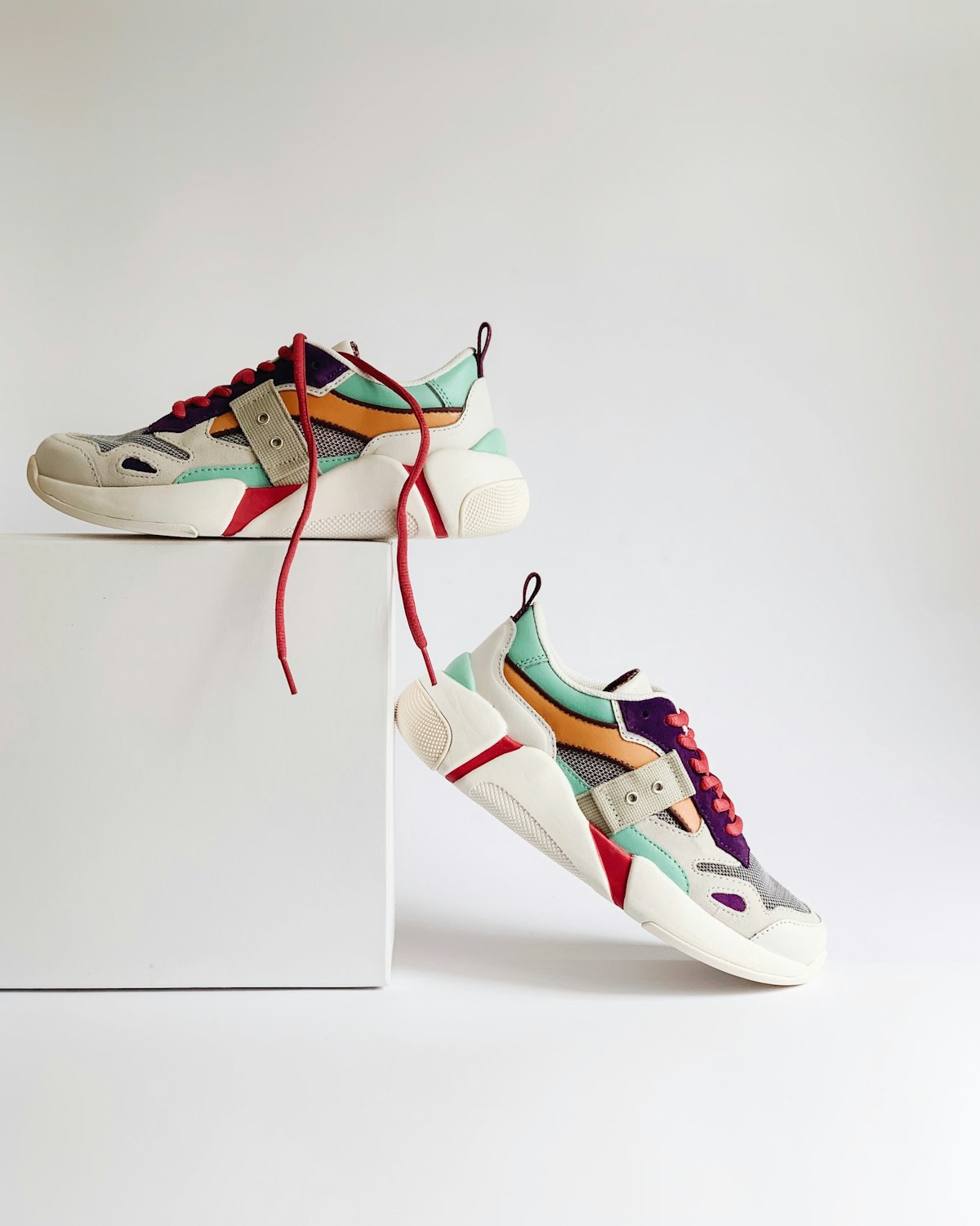
Ladies extra wide walking shoes can add width in three different places, and only one of them is usually the right one.
Forefoot width is what you want. The last is built wider across the metatarsals, so your toes sit flat rather than stacked. You feel it immediately when you stand up.
Midfoot width is the one that causes trouble. If the whole shoe is scaled up, the arch area gets roomy, your foot slides sideways inside the shoe and the heel starts to lift on every step. That’s how a wide shoe ends up giving you a blister on the back of the ankle.
Heel width should stay close to standard. A properly made wide walking shoe keeps a snug heel and widens forward of the instep. If you can fit two fingers down the back of the heel, it’s too loose regardless of width.
Toe box height is the fourth variable and the most ignored. If your toes are deep from top to bottom, you can have plenty of width and still feel the upper pressing on your toenails. Look for a shoe where the toe box rises rather than tapers, and check by pressing down on the top of the toe area with your thumb. You want 10mm of clearance above your longest toe when standing.
The quickest read on any shoe in a shop: pull the insole out and stand on it. If your foot overhangs the edges, the shoe is too narrow no matter how it feels with the upper on.
Compare two pairs side by side and the differences show up fast. Put both insoles on the floor, heel edges aligned, and look at the width at the ball. A 4mm gap between them is the difference between comfortable and not, and it’s invisible on a shelf.
Sizing up is the wrong fix, and here’s what happens when you do
Going half a size up is the most common advice given to women with wide feet. It works roughly once, for a shoe that was borderline. It fails badly for anyone at 2E or beyond.
What happens is this. The shoe gets 4mm to 5mm longer, which doesn’t help your little toe at all. Your foot slides forward in the extra length, the ball of your foot moves behind the flex point of the sole, and the shoe creases in the wrong place. After a month the crease starts pressing on the top of your toes, and now you have two problems.
There’s also the heel. Extra length means the heel sits further back in the counter, so it lifts. Heel slip causes friction, friction causes blisters, and blisters are the reason people give up on a pair that was, in fact, correctly sized in length.
If you truly can’t find your width, there is a workable compromise. Buy the length that fits, then take the shoe to a cobbler who can stretch the forefoot. A decent stretch gains 3mm to 5mm across the ball on leather, less on synthetic uppers, and it holds for the life of the shoe. It costs about £15 and it’s a much better use of money than a second pair that also doesn’t fit.
What doesn’t work: padded insoles to take up volume, thick socks to fill space, or lacing tighter. All three just move pressure somewhere else. If you want to see how badly a narrow last behaves, the piece on narrow walking shoes and sideways slipping describes the opposite problem with the same cause.
Here’s a number that surprises people. Going up half a size adds about 4mm of length and roughly 1mm of width. If you’re 8mm short on width, that’s eight half sizes, and at that point the shoe is a boat. That single arithmetic kills the sizing-up advice for anyone genuinely wide.
Laces and uppers do more than the width letter
Two shoes with the same measured width can feel completely different depending on how the upper closes.
Laces give you adjustment. A six-eyelet lacing system lets you open the lower section wide for a high instep and keep the top snug. Elastic laces and slip-on uppers remove that adjustment, which is why so many wide-fit slip-ons end up feeling tight across the top of the foot.
Look at where the tongue is attached. A gusseted tongue that runs deep gives you more room to open the throat. A short one limits it.
Upper material matters for stretch. Leather and suede give 2mm to 3mm over the first month. Knit gives more but sags. Coated synthetic gives almost nothing, so the fit you feel in the shop is the fit you keep.
Seams across the forefoot are worth avoiding if you have a bunion, because a seam sitting over a bony prominence will rub through the lining in weeks. A smooth one-piece forefoot is the friendlier construction.
And check the removable insole. If it lifts out, you can swap in your own orthotic without changing the fit much. If it’s glued in, adding anything on top takes volume away from a shoe that had none spare.
For a wide fit that still looks like a normal walking shoe, the roomy flat-soled walking shoes are a sensible starting point, and the women’s sneaker range has a few wider lasts worth comparing in person.
Lacing makes a bigger difference than most people expect. Try skipping the eyelet pair closest to the bend of your foot. It opens the forefoot by a few millimetres without loosening the heel, and it’s free. On a high instep, lace the bottom two pairs looser and the top two tighter, so pressure sits on the shin rather than the top of the foot.
For a low-volume foot in a wide shoe, a casual walking shoe with a removable insole gives you something to work with. Swap the insole for a thicker one and you’ve narrowed the fit by 2mm without touching the size.
Bunions, swelling, and when a wide shoe isn’t enough
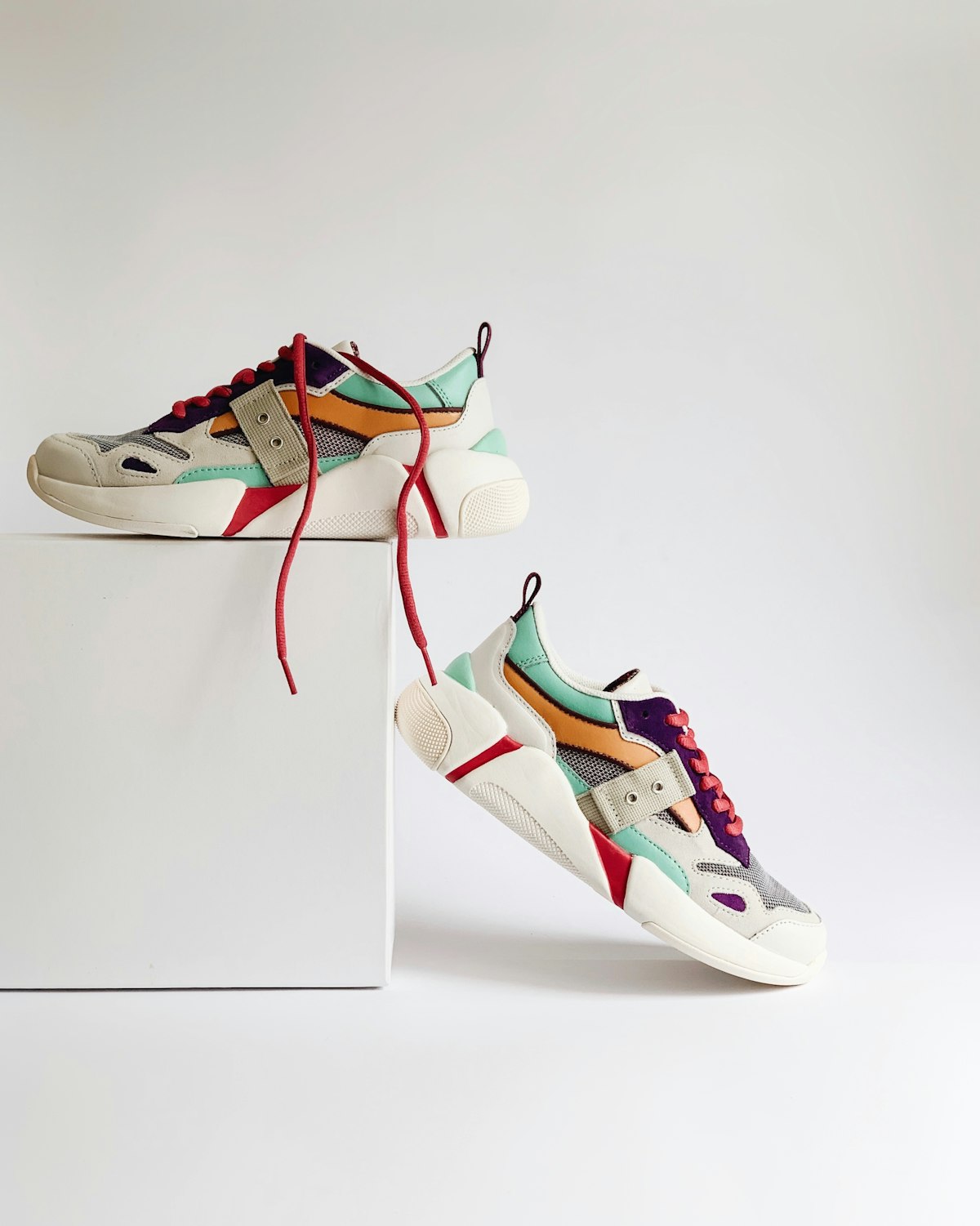
A bunion changes the shape of the foot rather than its overall width, so a wider shoe helps but doesn’t solve it alone. You need soft upper material over the joint, no seam there, and enough depth that the upper doesn’t press down. The clinical description of a bunion makes the same point: the joint changes shape, and footwear that compresses it makes things worse.
Swelling is the other thing that catches people out. Feet widen through the day and widen more in heat. If you’re buying for a summer holiday or a long walking trip, measure in the afternoon and leave 5mm of spare width. A shoe that fits at 9am can be tight by dinner.
There’s an honest limit here too. Extra wide shoes fix width, not mechanics. If your arch collapses and your ankle rolls in, a wide shoe with no support can make the roll worse, because there’s more room to roll into. In that case you want a wide fit plus a firm heel counter and a removable insole you can replace with something supportive.
Also expect to pay a little more and choose from less. Wide lasts cost makers money and sell in smaller numbers, so the colour range is short and the sale rails rarely have your size. Buy two pairs when you find one that works. It’s the only reliable way to avoid hunting again next winter.
One last thing worth saying plainly: no amount of breaking in will widen a shoe that’s structurally too narrow. Leather gives a few millimetres. It won’t give you the 8mm you need across the ball. If it pinches on day one, it will still pinch on day thirty, just with a callus on top.
Socks are worth a mention because they’re the cheapest adjustment you have. A thin cotton sock inside a wide shoe lets your foot slide. A merino walking sock with a cushioned sole fills the space and holds the foot still. Same shoe, completely different walk.
The best ladies extra wide walking shoes are the ones you stop thinking about halfway through a walk. If you’re still aware of your little toe at 3km, the fit isn’t right yet.
Measure tonight, write the number down, and take it shopping with you. Two minutes of tracing around your foot beats another eleven years of guessing.
