

The Ultimate Guide to Vionic Walking Shoes for All-Day Support
For anyone who spends a significant portion of their day on their feet, the quest for the perfect shoe is more than a shopping trip—it’s a pursuit of comfort and well-being. Ordinary footwear often falls short, leading to fatigue, arch pain, and a host of other discomforts that can diminish your daily life. This is where a specialized category of footwear, exemplified by the Vionic walking shoe, enters the conversation. This guide isn’t about a fleeting trend; it’s an exploration into how biomechanically designed footwear can fundamentally alter your relationship with walking. We will dissect the science behind the support, translate professional podiatric insights into practical advice, and demonstrate how the right shoe is an investment in your mobility and vitality.
The Foundation of Foot Health: Biomechanics and Arch Support
To appreciate what sets a dedicated walking shoe apart, one must first understand the complex mechanics of the human foot. Each foot is a marvel of engineering, comprising 26 bones, 33 joints, and over a hundred muscles, tendons, and ligaments. This structure forms three primary arches: the medial longitudinal arch (the one most people refer to), the lateral longitudinal arch, and the transverse arch. According to research from institutions like the University of Washington’s Department of Orthopaedics and Sports Medicine, these arches function as shock absorbers and rigid levers, dynamically adapting to surface changes and propelling us forward. When these arches are inadequately supported—a condition known as overpronation (rolling inward) or supination (rolling outward)—the entire kinetic chain is affected. Stress travels upward, potentially causing issues in the ankles, knees, hips, and lower back. A Vionic walking shoe is built upon this foundational science. Its core technology, often a biomechanical orthotic footbed, is designed to stabilize the heel, cradle the arch in its optimal neutral position, and promote a natural gait cycle. This isn’t mere cushioning; it’s a guided realignment of your stride from the ground up, aiming to distribute pressure evenly and reduce strain on connective tissues.
Decoding the Vionic Difference: Podiatrist-Inspired Technology
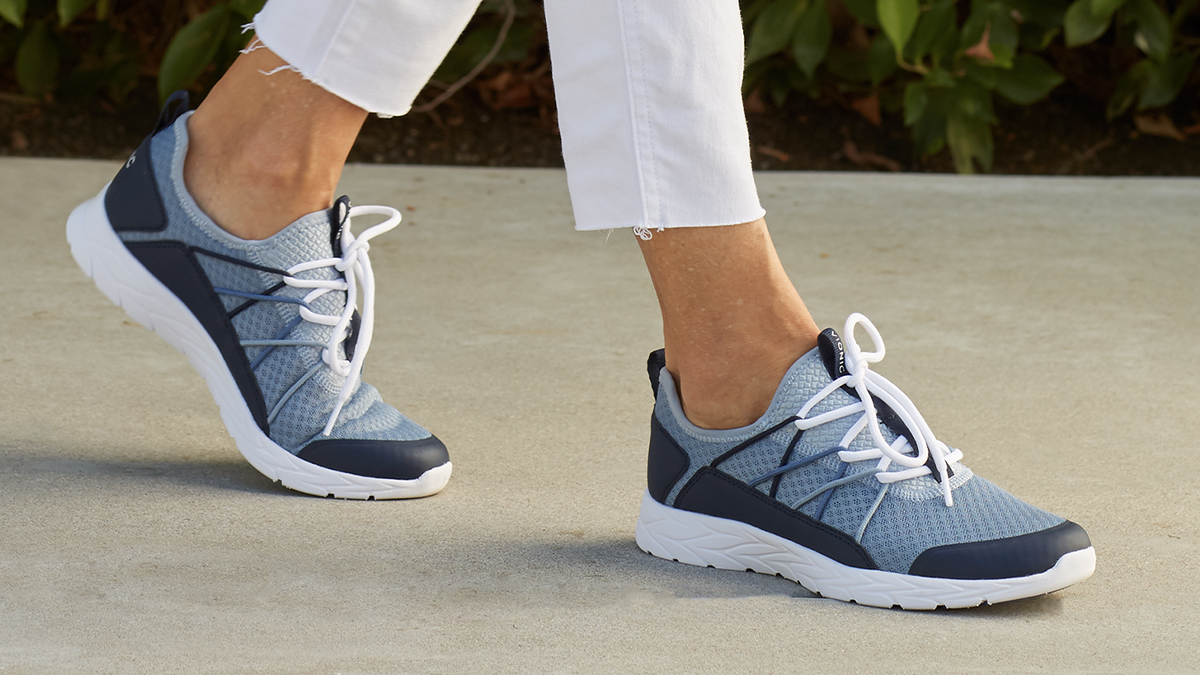
What transforms a simple shoe into a tool for wellness? The answer lies in clinically informed design. Vionic’s origins are deeply rooted in podiatry, with its technology developed in collaboration with foot health professionals. The signature element is the removable orthotic insole, which features a deep heel cup, a pronounced arch support, and a forefoot bar. This tri-planar design addresses motion in three dimensions: frontal (side-to-side), sagittal (forward-backward), and transverse (rotational). As noted by Dr. Andrew Shapiro, a podiatrist frequently cited in foot care literature, “Proper arch support is not a luxury; it’s a necessity for maintaining foot function and preventing long-term degenerative changes.” This philosophy is embedded in every pair. For instance, the Vionic Walker Max style incorporates this podiatric orthotic into a shoe with a durable rubber outsole for traction and a cushioned midsole for impact absorption. The result is a synergy of stabilization and comfort, allowing the foot to function as nature intended while being protected from the hard, unyielding surfaces of modern life. It’s a stark contrast to flat, unsupportive shoes that offer temporary softness but no structural guidance, often leading to the dreaded “foot fatigue” by midday.
From Morning Commute to Evening Stroll: The All-Day Wear Test
The true measure of any walking shoe is its performance over time and distance. An all-day support shoe must be a reliable companion from your first step to your last. Let’s consider a typical day: a walk to the train, hours of standing or moving on hard office floors, errands during lunch, and perhaps an evening walk with the dog. In conventional shoes, this regimen can leave your feet aching and swollen. A Vionic walking shoe, however, is engineered for this marathon. The support system works continuously to prevent overpronation, reducing the muscular effort required to stabilize your foot with each step. This conserved energy translates directly to less overall fatigue. Furthermore, features like breathable linings manage moisture, and flexible yet supportive construction allows for natural foot flexion without compromising stability. It’s akin to having a personal, invisible support staff for your feet. The experience is frequently described not as a “cloud-like” feeling—which can denote instability—but as one of “secure comfort” and “effortless alignment.” Your feet feel rested, not battered, at the end of the day, empowering you to engage in life rather than retreat from it due to discomfort.
Expert Voices and User Experiences: A Consensus on Support
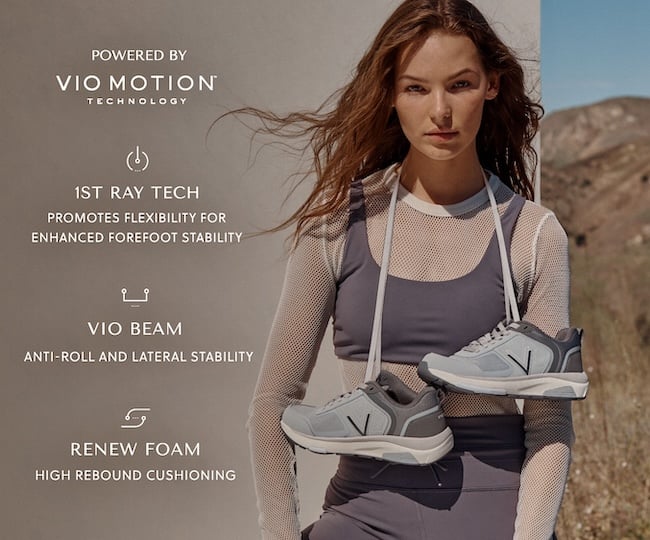
While the biomechanical theory is compelling, real-world validation is crucial. The acclaim for biomechanical footwear like Vionic comes from both authoritative voices and a chorus of everyday users. On platforms like Quora and specialized health forums, podiatrists and physical therapists often recommend shoes with firm arch support and heel stabilization for patients with plantar fasciitis, flat feet, or general metatarsal pain. The American Podiatric Medical Association (APMA) grants its Seal of Acceptance to products found beneficial to foot health, a recognition Vionic has received for many of its styles. Beyond clinical endorsements, user testimonials paint a vivid picture. One long-time sufferer of plantar fasciitis shared on a health blog: “After two weeks in my Vionic walking shoes, the morning heel pain that had plagued me for years was significantly reduced. It wasn’t an instant miracle, but a steady, noticeable improvement.” Another user, a nurse who logs over 15,000 steps per shift, stated, “These are the only shoes that get me through a 12-hour day without my back screaming in protest.” This convergence of professional recommendation and personal testimony underscores a key point: effective foot support is not subjective hype but an objective solution to a common physical challenge.
“The foot is a complex structure that requires balanced support. Shoes that incorporate biomechanical principles can be a critical component in managing common musculoskeletal complaints and promoting an active lifestyle.” – A sentiment commonly echoed by podiatric professionals in educational materials and media interviews.
Selecting Your Ideal Pair: A Guide to Key Styles
Not all walking scenarios are identical, and thankfully, the Vionic walking shoe lineup offers variety within its framework of support. Understanding the nuances can help you find your perfect match. For the urban walker or someone who values a sleek look, the Vionic Walker Classic offers the signature orthotic in a timeless, leather sneaker design, suitable for the office or casual outings. For those seeking maximum cushioning for long periods on hard surfaces, the Walker Max model, with its enhanced midsole, is a premier choice. If your walking routine includes varied terrain or you desire a sportier aesthetic, the Walker Strider provides excellent support with a more athletic profile and grippy outsole. Each style retains the non-negotiable element: the biomechanical footbed. When trying them on, pay attention to the feel of the arch—it should be noticeable and supportive, not intrusive. There may be a short adaptation period of a few days as your feet acclimate to the proper alignment. Remember, the goal is a snug heel, room for your toes to splay slightly, and that definitive arch contact that signals your feet are being actively supported, not just enclosed.

An Investment in Mobility: Value Beyond the Price Tag
It’s reasonable to view high-quality supportive footwear as a significant investment. However, the cost should be weighed against the value of pain-free mobility and preventative health. Consider the alternative: the cumulative cost of cheaper, unsupportive shoes that wear out quickly and may contribute to foot problems requiring professional intervention—orthotics, physical therapy, or even surgery. A well-constructed Vionic walking shoe, built with durable materials and timeless design, offers longevity. Furthermore, the removable orthotic allows you to refresh the cushioning or use custom orthotics if needed, extending the life of the shoe itself. To make this investment more accessible, it’s wise to look for seasonal sales, sign up for newsletters for direct discounts, and check authorized retailers who may offer competitive pricing. Viewing this purchase not as a mere accessory but as essential equipment for your body’s foundation reframes the economics. The return on investment is measured in steps taken without wincing, in energy preserved for your passions, and in the long-term health of your joints. It is, fundamentally, an investment in your freedom to move through life on your own terms, confidently and comfortably.
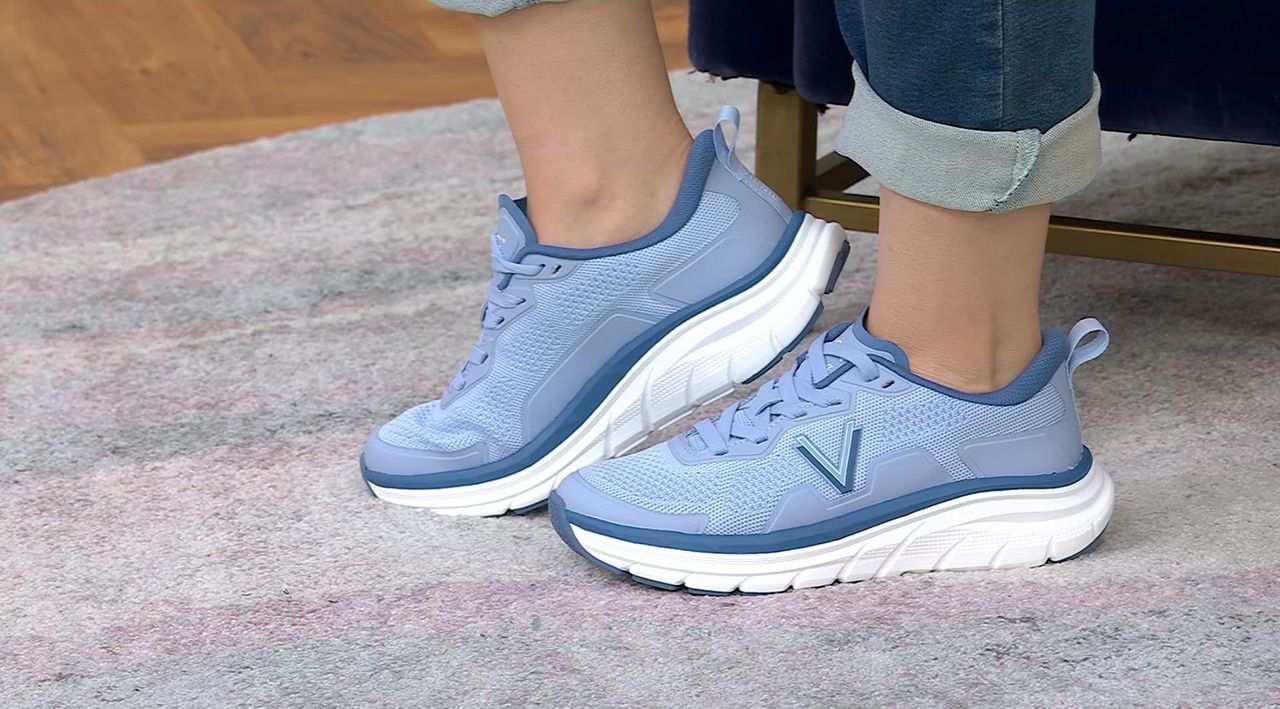
The journey to all-day comfort begins from the ground up. In a world that constantly demands we be on our feet, settling for footwear that merely covers them is no longer sufficient. The science of biomechanics, validated by podiatric expertise and countless user experiences, points clearly to the need for intelligent, active support. A Vionic walking shoe embodies this principle, offering not a passive cushion but a dynamic system that guides, stabilizes, and protects with every step. It represents a conscious choice to prioritize your physical foundation, transforming the simple act of walking from a potential source of strain into a sustained, supported, and joyful activity. Your path forward deserves nothing less.
