

I bought a pair of white leather sneakers in September because I wanted one thing: a shoe I could wear to a client meeting and then walk 6,000 steps in without changing. I paid 89 euros, which is more than I usually spend, and I talked myself into it on the grounds that leather would look smarter than mesh and last longer. Three weeks later I gave them to my sister, who has narrower heels and wears them happily with thick socks. Same shoe, different foot, completely different result. That’s the part of fit nobody puts on a size chart.
The reason wasn’t the price or the look. It was a 4mm seam across the inside of the heel that I noticed in the shop, decided was nothing, and then felt every single afternoon for twenty days. That’s the whole story, and it’s worth telling because “comfortable leather sneakers” is one of those phrases that gets used for everything from a genuine walking shoe to a stiff fashion trainer, and the difference is invisible until you’ve worn them for a fortnight.
What I actually bought
White, smooth leather, a 22mm cupsole, and a low collar that sat just under my ankle bone. Size 38, which is what I wear in almost everything. The shape was clean: no visible logo, no contrast stitching, a slightly tapered toe. On the shelf it looked exactly like the pair I’d been imagining for a year.
In the shop I did two of the four things I should have done. I flexed the forefoot, which felt fine. I checked the width at the ball of my foot, also fine. What I didn’t do was walk on a hard floor for more than about ninety seconds, and I didn’t press the heel counter from the inside to feel for seams. Both of those would have saved me 89 euros.
I also sized up out of habit, which was the wrong instinct. My feet measure 24.2cm and 24.4cm, so a 38 gives me roughly 8mm of clearance, and that’s correct. Buying a 39 because the shop only had one pair left in my size would have turned a seam problem into a heel-slip problem, and heel slip is harder to fix.
Here’s the thing about leather that nobody tells you when you’re standing in a shop with your coat over your arm: leather doesn’t stretch where it’s stitched to a lining. It stretches in the panels, at the flex point, across the vamp. A seam that sits against your heel doesn’t soften with wear. It just sits there, and the skin under it gets thicker and more irritated until you stop wearing the shoes.
The first six hours felt like a win
Day one was genuinely good. I wore them from 8:30 to 4pm, mostly indoors, and by the end of it I was recommending them to a colleague. No rubbing, no pressure, nothing. If I’d written this piece on day one it would have been four hundred words of praise, which is exactly why day-one reviews are worthless for leather shoes.
Day two was also fine, because I was at a desk. Day three I walked to a site visit, roughly 4,500 steps on pavement, and felt a warm spot at the back of my right heel at around the 3,000-step mark. Not pain. A warning.
What I didn’t notice on day one was the sock. I’d tried them on with a thin cotton no-show, and worn them to work with a slightly thicker one. Half a millimetre of extra sock was enough to lift my heel 2mm inside the counter and put it directly against the seam. It’s a small thing that changes everything, and it’s why fitting a shoe in the socks you’ll actually wear matters more than the size number.
By day five there was a red mark. By day nine there was a plaster. That’s the pattern with a bad seam: it doesn’t announce itself, it accumulates. And because it’s inside the shoe and behind your heel, you can’t see it happening until the skin is already broken.

The seam, and why it never softened
When I finally turned the shoe inside out to look, the lining had a horizontal join about 12mm above the insole, and the join sat exactly where my heel bone meets the fat pad. Every step pressed it into the same spot. There was no way for that to improve.
This is the single most common construction flaw in affordable leather sneakers, and it’s invisible from outside. Manufacturers join lining panels to save material, and on a shoe with a 22mm sole the join lands low on the heel. On a thicker platform it lands higher, which is often more comfortable for exactly this reason.
You can check it in ten seconds in a shop. Turn the shoe over, put two fingers inside the heel, and run them from the insole up to the collar. If you feel a raised ridge, a lip, or a doubled-over edge, that’s where you’ll blister. A single smooth piece of lining from insole to collar is what you want, and it’s more common on shoes that cost 20 euros more.
Two other inside-the-shoe details worth feeling for while you’re there: the insole edge, which should be flush rather than curling up, and the tongue attachment, which should be stitched flat rather than folded. Both create the same kind of low-grade pressure that only shows up after an hour.
I did try to save them. A moleskin patch over the seam got me through week two, and a heel grip made it worse because it pushed my heel further up into the ridge. If you’re in the same position and the return window has closed, the patch is worth trying: cut an oval about 3cm by 5cm, stick it over the seam, and change it every few days. It buys time, not comfort. The seam is still there.
The honest fix is a different shoe, and the honest lesson is that no insole, patch or insert can rescue a lining join that sits on your heel bone. That’s a 10-second check in the shop against three weeks of plasters at home.
The red flag I ignored
The shop assistant told me the shoes would “give a little” after a week. That’s true for the upper and completely untrue for anything stitched to a lining. I heard the sentence, applied it to the whole shoe, and bought them. The correct interpretation is narrower: the vamp and the collar will soften, the sole will break in at the flex point, and everything structural stays exactly as it is.
Which leads to the second thing I got wrong. I assumed a leather sneaker at 89 euros would have a leather-lined heel. It had a synthetic lining, which doesn’t mould the way leather does. Leather lining costs more and takes longer to break in, but it does eventually take the shape of your heel. Synthetic lining stays flat and transfers every seam straight to your skin.
None of this is a reason to avoid leather sneakers. It’s a reason to spend ten minutes checking the inside of the shoe instead of the outside, and to distrust the word “comfortable” on a product page unless it’s paired with a description of the construction.
Retail language is worth decoding while we’re here. “Will give a little” means the upper softens, nothing else. “Runs true to size” means the length is standard, not that the width is. “Cushioned footbed” usually means a 4mm layer of foam under the sock liner, which compresses in about six weeks of daily wear. None of these phrases are lies. They’re just narrower than they sound, and the gap between what they promise and what they deliver is where most disappointing purchases happen.
What I’d rather see on a product page: the insole length in centimetres, the heel counter material, the lining material, and the sole thickness. Four numbers that would let you compare two pairs honestly. Almost nobody publishes them, which is why the inside of the shoe in your hand is still the best source of information you have.
How to judge the leather with your thumbnail
You can get a decent read on upper quality without any special knowledge. Press your thumbnail into the leather on the vamp, at a spot that won’t show when you wear them. Full-grain leather takes a light mark and the surface compresses with visible fine lines, like the skin on the back of your hand. Corrected-grain leather, which has been sanded and coated, resists the nail and shows a smooth, plasticky surface with no grain at all.
Neither is a defect. Corrected grain is more uniform, resists water better, and looks the same in year two as in week one. Full grain develops a patina and creases honestly, and needs conditioning every few months. What you’re really testing is whether the manufacturer is charging full-grain money for a coated split. The Wikipedia entry on leather lays out the grading system clearly if you want the vocabulary.
One more shop test that costs nothing: bend the shoe at the ball of the foot and watch the crease. Real leather creases in a soft fan of fine lines. Coated leather creases in two or three hard folds, and those folds will crack within a year.
Care follows from the same test. Full-grain leather wants a conditioner every two to three months and a brush after wet days. Coated leather wants a damp cloth and nothing else, because conditioner sits on the coating instead of soaking in and leaves a greasy film. If you’re not going to condition anything, buy the coated version and accept the creases.
The one thing that ruins both: drying them near heat. Leather is skin, and heat collapses the fibre structure. Wet shoes go on newspaper in a hallway, not on a radiator and not in a tumble dryer, no matter how late you need them.
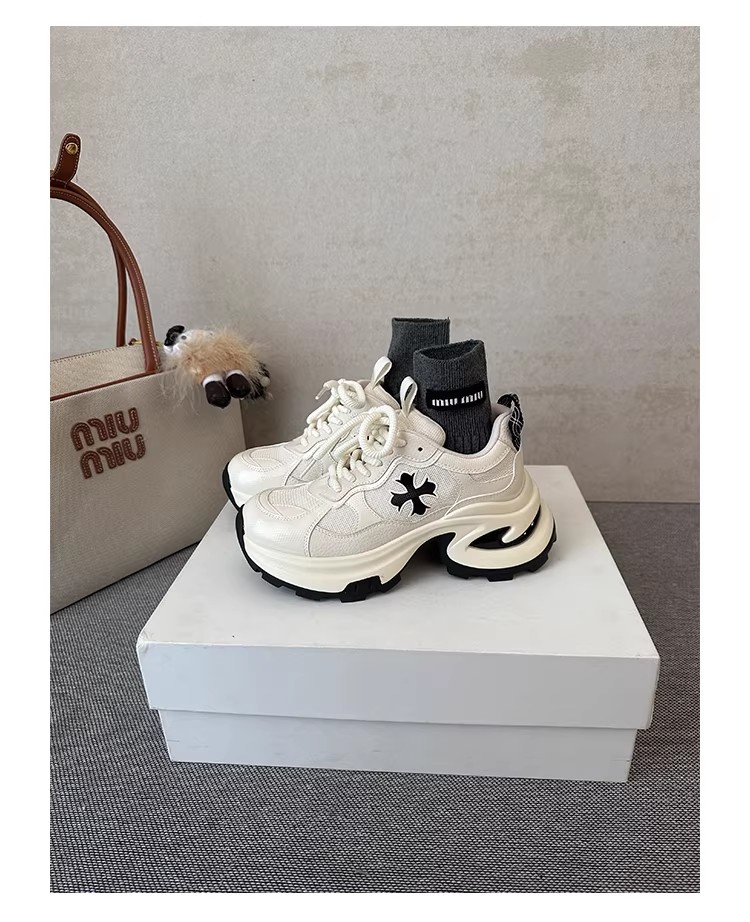
Who these shoes actually suit
Having watched four people try the same pair, the pattern is clear enough to be useful.
- Narrow to medium feet, low to medium instep, desk-based days. This is the shoe’s natural wearer. The pair looks sharp and never gets tested hard enough to hurt.
- Wide forefoot or a bunion. Skip this shape. The tapered toe has no room to give, and leather won’t stretch across a seam.
- Anyone walking 8,000+ steps a day. A 22mm cupsole with a stiff midfoot is not built for that volume. You want a flexible forefoot and a removable insole.
- High arch, plantar fascia history. Check whether you can swap the insole before you buy. If it’s glued in, the shoe can’t be adapted, and you’ll be adding a gel pad on top of a pad, which changes the fit everywhere.
That last point matters more than people expect. Plantar fascia pain is common enough that the clinical description reads like a description of half the office workers I know: sharp heel pain with the first steps in the morning. A shoe with a fixed, thin insole is the wrong starting point for that foot.
Weight deserves its own line, because it’s the spec nobody lists. The pair I bought weighed 340g per shoe in a 38. That’s on the heavy side for a low-top, and over 6,000 steps it’s roughly an extra 400kg of lifting compared with a 260g mesh trainer. You won’t notice it in the shop. You’ll notice it at 5pm on a Thursday.
If you want a rough benchmark, anything under 300g per shoe in a leather low-top is light, 300 to 360g is normal, and above 380g is a shoe you wear for looks rather than distance. A kitchen scale settles it in ten seconds, and most product pages don’t give you the number at all.
What I’d buy instead, and how I test now
I replaced them with a pair that had a smooth leather lining, a 25mm sole, and a heel counter I could push in about 3mm with my thumb. Same price bracket, different construction. Six months in, no blisters, and the uppers have creased the way leather is supposed to.
My test now takes about four minutes and happens entirely indoors. I do it in the afternoon, too, because feet are bigger at 4pm than at 10am and the shoe has to fit the foot you actually have at the end of a working day.
- Walk 40 steps on the hardest floor in the shop. Carpet hides everything.
- Run a finger around the inside of the heel. Any ridge, put the shoe down.
- Press the insole edge. If it lifts, check whether it’s removable.
- Squeeze the heel counter. Firm at the bottom, giving at the top.
- Stand and look down at the instep. A visible dent means the volume is wrong for your foot.
If the shop won’t let you do that, buy online from somewhere with free returns and do it at home over three days. It’s slower, but it’s cheaper than a pair you can’t wear.
The other change I made was to stop treating one pair as the answer to everything. Two pairs on rotation, one leather and one mesh, means each gets a day to dry out and neither takes the full 6,000 steps every day. Leather that dries properly keeps its shape; leather worn damp five days a week goes soft at the counter and stops holding your heel at all. That single habit has done more for how long my shoes last than any cleaning product.
For what it’s worth, a leather sneaker worn 150 days a year at 89 euros works out to about 59 cents a wear. Worn 30 days because it hurts, it’s 2.97. That gap is the real cost of getting the construction wrong, and it’s the same arithmetic we ran on gum-soled pairs earlier this month.
If you want something to compare against, the soft leather sports pair has a lower collar and a softer counter than the ones I bought, and the spring leisure style sits on a thicker sole that puts the lining seam higher up the heel. Both are worth trying on with the finger test before you commit. The rest of the sneakers range is sorted by shape, and the women’s shoes index is the faster way to see everything in leather at once.
One more habit I picked up: keep the box for a month. It sounds trivial until you’re trying to return a pair in a bin bag, and it’s the difference between a refund and an argument at the counter.
And if a pair hurts on day nine, stop wearing it and take it back if you still can. I spent a fortnight telling myself it was nearly broken in. Shoes don’t work like that. The ones that fit are comfortable by day three, and no amount of hope changes a seam.
