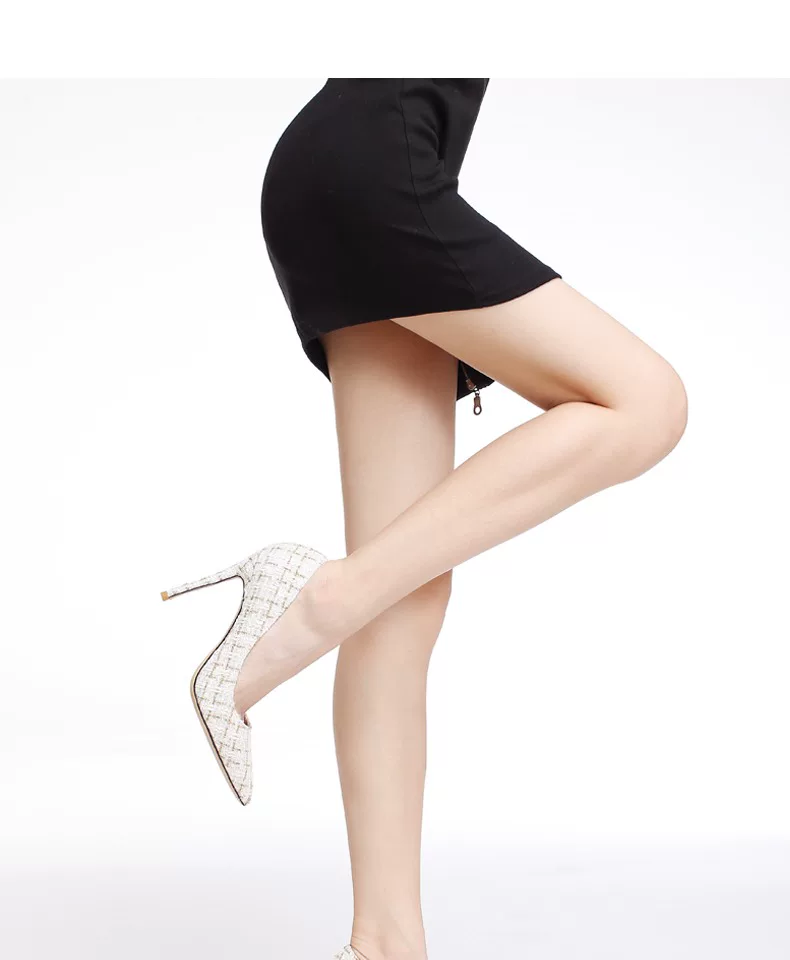
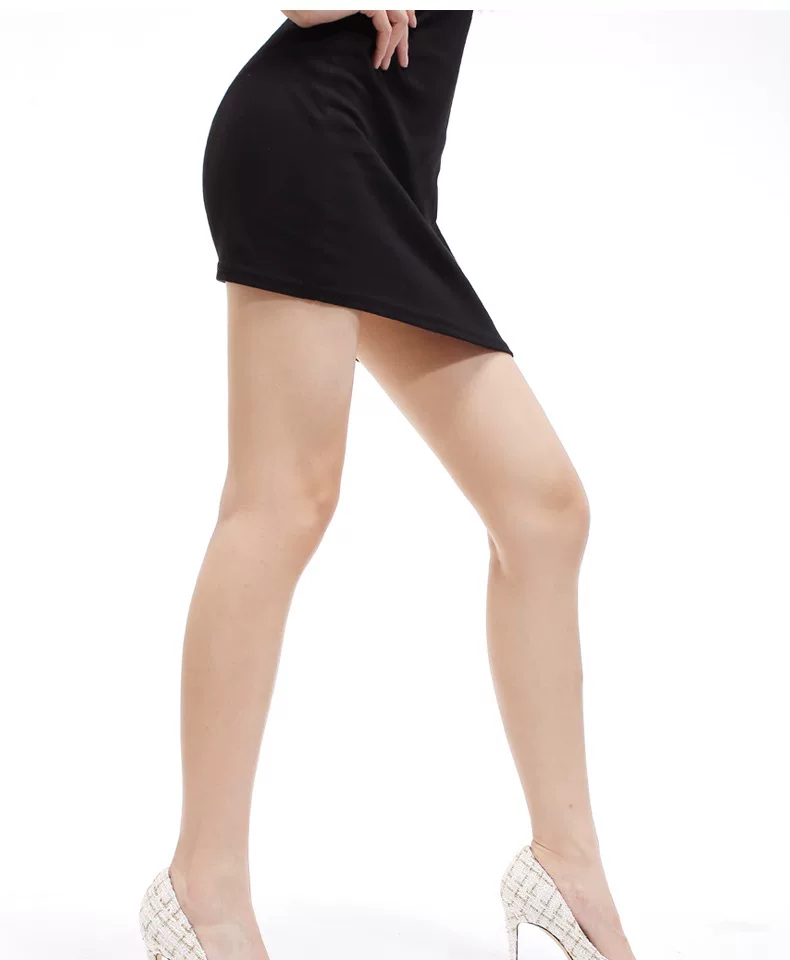
A pair of leather heels turns up on a resale app at $48, photographed on a wooden floor, described as “worn twice”. The photos look good. The price looks better. Then it arrives and the right heel has a lean, the insole has a footprint pressed into it, and the toe box has a crease deep enough to hold a coin.
In this trade you see the same six problems every week, and almost none of them show up in a listing photo. Leather is the reason these shoes are worth buying second-hand at all, and leather is also the reason they can arrive unusable. The difference is what the seller did with them for two years.
What follows is the inspection order that experienced buyers use. It takes about four minutes per pair and it saves most of the returns.
Why leather heels survive resale better than synthetics
Leather is skin, and skin recovers. It flexes without cracking, it takes conditioner, and it can be stretched a few millimetres without tearing. A leather heel that has been worn forty times still has structure in the heel counter and spring in the sole. A synthetic upper with the same wear has started to craze at the flex point and there’s nothing to do about it.
That’s why the resale market for leather heels holds up while coated synthetic pairs go for a fifth of their original price. Buyers aren’t paying for the label. They’re paying for a material that can be brought back.
The catch is that not all leather is equal. Full-grain and top-grain leather age well. Corrected-grain leather has been sanded and coated, which means it behaves more like a synthetic once the coating wears. Bonded leather, which is scraps glued together, is the worst of both worlds and shouldn’t be bought used at any price.
Weight is a decent proxy for quality too. A leather heel of the same size will feel denser than a coated synthetic one, and a pair that feels light and hollow usually has a cardboard heel block inside.
A quick way to tell how a pair has been kept: look at the welt, the strip where the upper meets the sole. If it’s dry and pale, the leather hasn’t been conditioned in a long time. If it’s dark and slightly tacky, someone has over-oiled it, which softens the leather too much and makes the shoe lose shape. Neither is fatal, but both tell you the price should come down.
Check the label inside the shoe, not the listing. “Genuine leather” often means corrected grain. “Full-grain” and “top-grain” are the terms worth paying for. If there’s no label, look at the cut edge near the sole. Fibrous and uneven means real leather. Smooth and uniform means a coating.
Read the sole before you look at the upper
The sole tells you how the previous owner walked, and that predicts how the shoe will feel on your foot. Turn the shoe over first, before you even try it on. A sole worn evenly at the heel and ball means a neutral gait and a pair that will wear the same way for you, if your gait is similar.
Wear on the outer edge means the previous owner supinated, rolling the foot outwards. Wear on the inner edge means pronation. Neither is a dealbreaker, but a sole worn hard on one edge has less material left for you, and the shoe will start leaning sooner.
Look for a crack across the sole at the ball of the foot. That’s the flex point, and a crack there means the sole is finished. A cobbler can replace a sole, but the crack usually means the shank underneath has been flexing badly too, and that repair gets expensive.
Then press the sole with your thumb, right at the ball. It should give slightly and spring back. If it feels like a board, the shoe has dried out and will be uncomfortable for the first month no matter what you do. If it feels spongy in the middle, the filler has collapsed.
If you’re buying in person, try the shoes on at the end of the day. Feet swell by up to 5% over a working day, and a pair that fits at 10am will pinch at 6pm. That single habit prevents more returns than any inspection.
One more thing: look at the heel from behind, with the shoe on a flat surface. A heel that leans inward or outward by more than 2mm has a bent shank or a worn tip, and it will make you walk oddly. That’s the single most common fault in used heels, and the least visible in photos.
The crease test at the toe
Every leather shoe creases across the toe where the foot bends. A shallow, soft crease is normal and will settle. A deep crease with a sharp edge means the leather has dried out and the fibres have broken, and it will not come out with conditioner or a shoe tree.
Press the crease with your thumb. If the leather feels supple and the crease softens under pressure, the shoe has life left. If it feels brittle and the crease feels like a fold in cardboard, walk away. That pair has been stored dry, probably near a radiator, and it will crack within a season.
Also look at where the crease sits. A crease close to the toe cap means the shoe was too long for the previous owner and their foot slid forward. A crease behind the cap, near the instep, means the shoe was too short and they were pushing against the front. Both tell you the pair ran a size off for one person, which is a hint about how it will fit you.
Warmth helps more than pressure. A hairdryer on low, held 20cm away for thirty seconds, then a shoe tree, then an hour to cool, relaxes most soft creases by half. Never use heat on patent or on bonded leather.
Shoe trees help here, but only if the crease is soft. Put cedar trees in, leave them for a week, and see whether the fold relaxes. If it does, you’ve bought a pair that will keep improving. If it doesn’t, the leather has given all it has.
Then check the toe box shape from above. A collapsed toe box, where the leather has sunk, means the shoe has been crushed in storage. It can sometimes be revived with shoe trees and steam, but the shape rarely comes back fully, and a pointed toe that has lost its point looks wrong from every angle.
What heel tip wear tells you about the previous owner
The heel tips are the cheapest thing to replace and the most informative thing to inspect. If the tips are worn through to the metal pin, the previous owner kept wearing them, which means the heel block took impact for weeks. That’s when the block starts to split, and a split block is a $60 repair on a $48 shoe.
Look at the tip from the side, not the bottom. Even wear across the tip is fine. Wear concentrated at the back edge means the owner walked heavily on their heels, and the heel block has been stressed. Wear at the front edge means they were on their toes a lot, which is unusual and usually means the shoes were too big.
If the tips have already been replaced, that’s a good sign. Someone cared enough to spend $20 on a pair they liked, and the new tips are probably better than the factory ones. Ask when they were done. A recent replacement on a pair described as “worn twice” means one of those statements is wrong.
Check the nails while you’re there. A heel with four visible nail heads and no gaps is sound. Rust around the nails means the shoes have been wet, and wet leather never quite recovers its shape.
Ask the seller to measure the heel height with a ruler, from the floor to the back of the heel, and send a photo of the ruler. Listed heel heights are often wrong by 10mm, and 10mm is the difference between a shoe you wear all evening and one you take off at dinner.
The heel itself should be straight and firmly attached. Grip the heel and twist gently. Any movement at the join means the nails have loosened, which happens with repeated walking on hard floors. A cobbler can re-pin it, but it’s a sign the pair has done real mileage.
Lining and insole: the parts that carry the smell
Leather linings absorb sweat, and that’s where the smell lives. A pair that looks perfect outside can smell like a gym bag inside, and no amount of spray fixes a lining that has absorbed years of moisture. Smell the inside of the heel counter, not the toe.
Look at the insole for a dark footprint. A light shadow is normal after a few wears. A dark, polished outline of a foot means hundreds of wears, and the insole has compressed where the ball of the foot sits. That compression doesn’t come back, and it changes where your foot sits in the shoe.
Check the lining at the heel for tears. A torn lining rubs the heel raw within an hour, and repairing it means a cobbler rebuilding the counter, which costs more than most used pairs are worth. Small scuffs are fine. Actual holes are not.
Look at the stitching along the lining seam too. If the thread is frayed or missing in patches, the lining is separating and will peel away from the upper within a few months of regular wear.
For smell that won’t shift, a day in direct sun helps, and so does a small bag of bicarbonate of soda left inside overnight. Skip ozone machines and UV boxes. They kill the smell and dry the leather at the same time, and the cracks show up a month later.
If the insole is glued in and lifting at the edges, that’s a sign of water damage. Leather that has been soaked and dried unevenly will lift and harden at the same time. Press the edge back down. If it stays down, it’s cosmetic. If it springs up, the glue has failed across the whole insole.
Stretching and sag: what leather does after two years
Leather stretches where it’s stressed, and heels stress at three points: across the ball, around the heel counter, and at the top line where the shoe opens. After two years of regular wear, a pair can be half a size wider than it was new. That’s good news if you’re between sizes, and bad news if the previous owner had wider feet than you.
The heel counter is the part to check. Squeeze it between finger and thumb. It should feel firm, with a stiffener inside. If it collapses easily, the counter has broken down and the shoe will slip off your heel with every step. That’s not repairable at a sensible price.
The top line is the second place to look. If the opening has sagged and flares outward, the shoe has lost its grip on the foot. Some of that can be corrected by a cobbler tightening the topline, but only on shoes with a stitched construction. Glued shoes can’t be adjusted.
A dry pair also creaks. Flex the shoe next to your ear. A soft creak is normal leather. A sharp crack or a grinding sound means the shank has started to fail, and that pair should go back on the shelf.
If the pair has stretched, size down rather than adding an insole. A heel that’s half a size too big will slip, and a slipping heel is how people twist an ankle on stairs. The insole fixes the volume but not the length, and the length is what makes you grip with your toes.
Sag also shows in the vamp, the part across the top of your foot. A vamp that sags means the leather has relaxed and the shoe no longer holds its shape. On a low heel, that’s cosmetic. On a high heel, it changes how the shoe grips and makes the whole pair feel loose.
Photos that hide the problems, and the one question to ask
Listing photos are taken in the best light the seller has, from the best angle, with the shoes propped up so the soles are hidden. That’s not dishonesty, it’s just how people photograph things. Your job is to ask for the shots that aren’t there.
Ask for a photo of both soles, flat, in daylight. Ask for a close shot of the heel tips from the side. Ask for a photo of the inside of the shoe, looking down into the toe. Three photos, and most of the risk disappears.
Then ask one question in plain words: “How many times did you wear them, and where?” A seller who says “about ten times, mostly to the office” is giving you usable information. A seller who says “only tried on” on a pair with worn tips is telling you something else, and it’s worth listening to.
- Soles flat, daylight: shows wear pattern and cracks
- Heel tips from the side: shows how hard they were walked
- Inside, looking down: shows insole footprint and lining tears
- Top line from the front: shows sag and loss of shape
Ask what they used to clean them, too. “Leather wipes” is a fine answer. “Just a baby wipe” means the leather has probably been stripped of its oils, and you’ll need to condition it twice before wearing.
A short video is even better than photos. Ask the seller to hold the shoe and turn it slowly, sole up, then press the toe with a thumb. Fifteen seconds of video shows more than ten stills, and any seller with a good pair will happily film it.
If the seller won’t send them, don’t buy. There are always other pairs, and the ones with nothing to hide are usually the ones that photograph well from every angle.
Prices that make sense, and prices that don’t
A used leather heel in good condition is worth about 30% to 40% of its original price, more if it’s a classic shape in a common size, less if it’s a trend piece. A $180 pair with light wear should be $55 to $70. A $60 fast-fashion pair with light wear should be $15, and often isn’t worth the postage.
Add the repair cost before you decide. If the tips need replacing, add $20. If the sole needs a half sole, add $40. If the lining is torn, don’t add anything, just close the listing. A $48 pair that needs $60 of work is a $108 pair, and at that point you can buy new.
The exception is a shape you can’t find anymore. If the pair is the exact almond-toe 60mm you’ve been looking for and nobody makes it now, paying $80 plus $20 of repairs is reasonable. Scarcity is a real cost, and it’s the one thing a new pair can’t solve.
Check what the same shape sells for new before you negotiate. If the brand still makes it and the sale price is $95, a used pair at $70 isn’t a bargain, and knowing that number keeps the conversation honest.
Make an offer, politely, with a reason attached. “The tips need replacing, so I’d be at $40” lands better than a bare lowball, and sellers who want the space usually say yes. The worst outcome is that you pay the asking price, which is where you started.
Watch for pairs priced as if they were new because they’re “vintage”. Vintage means old, not necessarily good. A 1990s leather heel can be excellent, and it can also be dried out and unwearable. Judge the condition, not the decade.
Cleaning and conditioning a second-hand pair
Before the first wear, wipe the inside with a cloth dampened with diluted vinegar, then let it dry away from heat. That deals with surface bacteria without soaking the leather. Don’t use alcohol, which dries the lining and makes it crack.
Condition the outside with a cream, not a wax, if the leather is at all dry. Cream soaks in; wax sits on top and can trap dirt. Apply a thin layer, wait twenty minutes, and buff. Two thin coats beat one thick one, and the shoes will feel softer within a day.
Put shoe trees in as soon as you take them off, every time. Cedar is best because it absorbs moisture, but any shaped tree is better than none. This is the single habit that decides whether a second-hand pair lasts two years or eight.
Finish with a waterproofing spray on smooth leather, two light passes, outside only. Skip it on suede and on anything with a patent finish, where spray does more harm than good. And keep the pair out of the sun when you store them, because UV fades dye faster than wear does.
Then deal with the tips, even if they look fine. Twenty dollars now saves the heel block later, and it gives you a baseline: from that day, you know exactly how much wear the tips have on them.
Leather heels are one of the few things that genuinely improve with a second owner, because the breaking-in is already done. Do the four-minute inspection, ask for the three photos, and price the repairs before you commit. If you want to compare shapes first, look at the woven leather white heels with a soft upper and the genuine leather pointed heels in a classic last. Both are the kind of shape that holds value, which matters if you ever sell them on. If you’re shopping new instead, the women’s shoes range covers the shapes that hold up best over time. There’s more on reading materials in this piece about what the material says before you pay, and the cost-per-wear case for real leather shoes is worth reading before you decide new versus used.
For background, the production and grading of leather explains why full-grain behaves differently from corrected grain, and the entry on second-hand goods covers how resale markets price wear. Neither replaces looking at the soles, but both make you harder to fool.