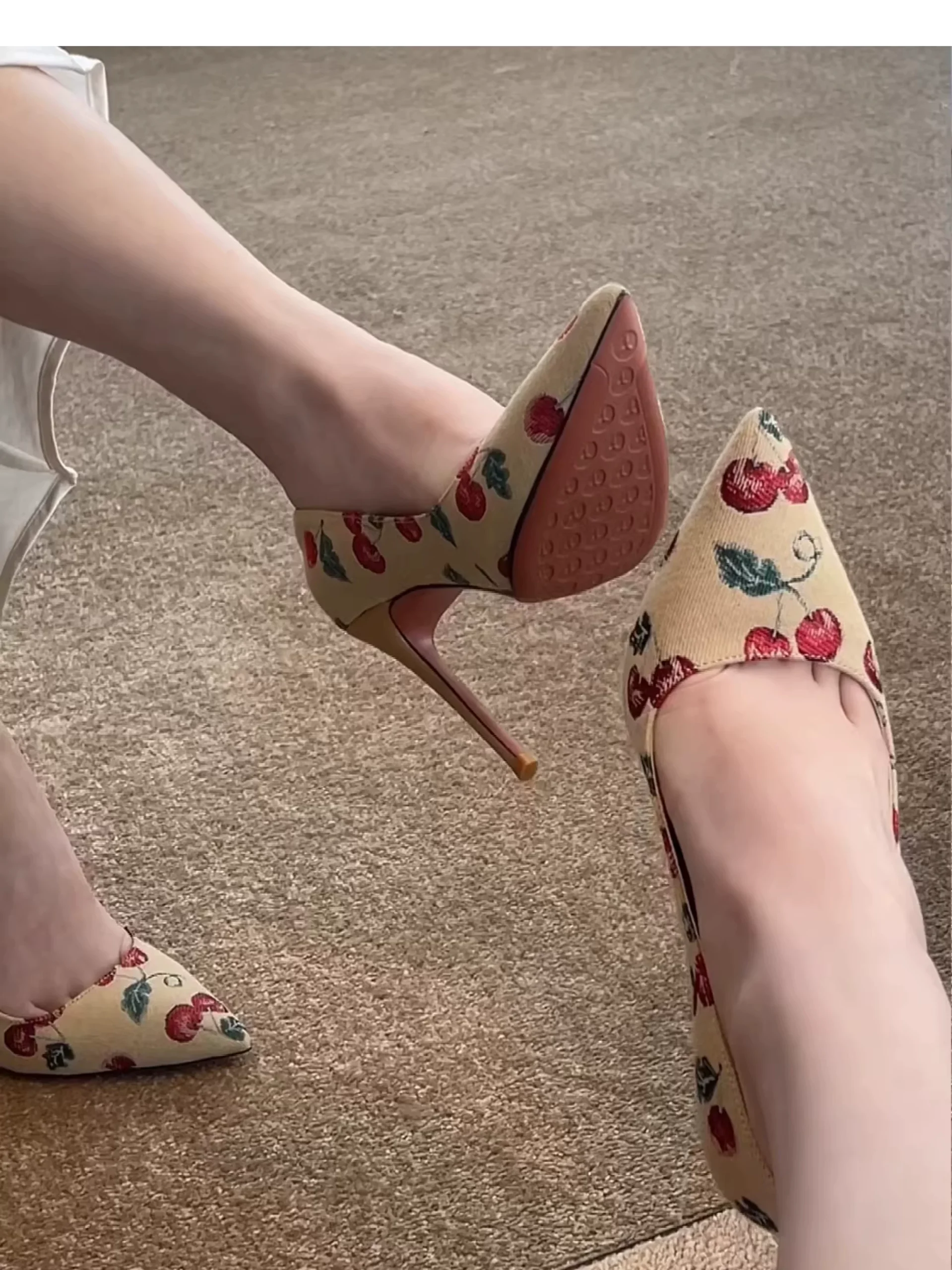
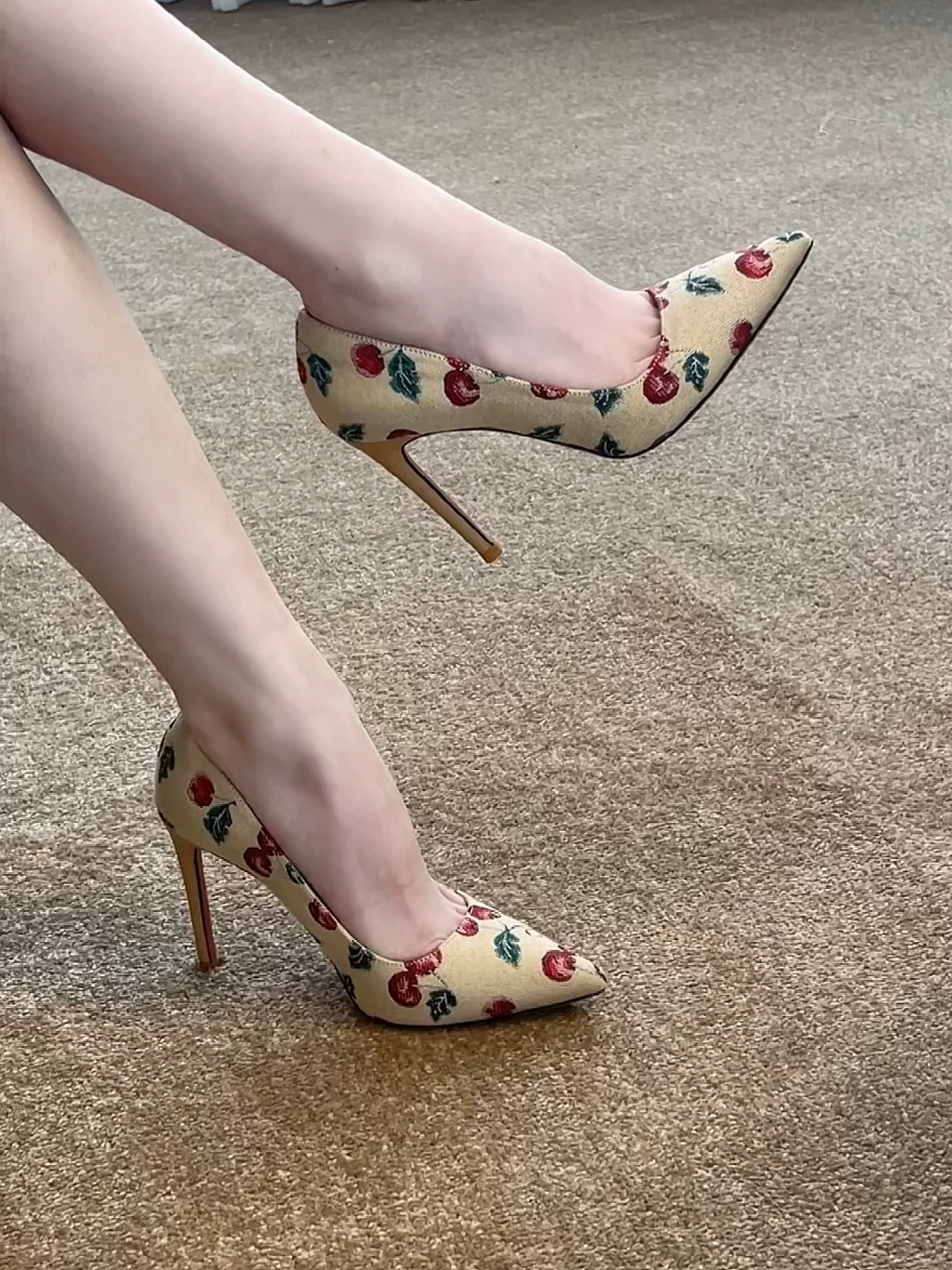
I took a pair of black low heels to a cobbler last March with a list of three problems and a quiet plan to throw them away if the quote came back over $60. The heels were 45mm, bought four years earlier for $160, and the right shoe had started to click on tile in a way that made me walk differently. The quote came back at $34. I still wear them twice a week.
That trip changed how I buy shoes. Not because cobblers are magic, but because I finally understood which parts of a shoe can be replaced and which parts are the shoe. Most women I know replace a whole pair for a problem that costs less than lunch.
Here’s what I’ve learned since, including the two repairs I regret paying for.
What a cobbler can actually fix on a low heel
A low heel is a simpler object than a stiletto, and that works in your favour. There’s less leverage on the heel, the sole is usually thicker, and the shape doesn’t depend on a thin pin staying perfectly straight. That means more of it can be repaired, and the repairs last longer.
The four things worth fixing are the heel tip, the sole, the lining at the heel counter, and the fit. Everything else is cosmetic, and cosmetic work is where people waste money. A cobbler can polish a scuffed toe, but the scuff comes back in a week if the finish is coated rather than dyed.
What can’t be fixed: a collapsed heel block on a hollow plastic shoe, a sole that has cracked through the middle, and a shoe that has lost its shape because it sat in a hot car for a summer. If the shoe bends in the wrong place, no repair will teach it to bend in the right one.
Ask one question at the counter before you hand anything over: is the upper still worth the repair? A cobbler will tell you honestly, because they don’t want a comeback. If they hesitate, that’s your answer.
It also helps to know what you’re paying for. Repairs are mostly labour, not materials. A heel tip costs the shop under $2 and takes eight minutes to fit, so $18 a pair is fair. A resole takes an hour and a half of skilled work, which is why it costs what it does. Once you know the split, the quotes stop feeling random.
My local shop charges $18 for a pair of heel tips, $25 to stretch, and $12 to fit an insole they supply. Those are city prices from last year. Suburbs tend to be cheaper; department store concessions tend to be dearer and slower.
The $18 fix that saves a $160 pair
Heel tips are the cheapest repair and the one that decides whether a pair survives. They’re the small plastic or rubber caps at the bottom of the heel, and they wear down before anything else. Once the tip is gone, the heel block starts grinding on pavement, and that damage is permanent.
Check yours now. Turn the shoe over and look at the tip. If you can see the metal pin, the tip is finished. If the tip is worn at an angle, you’re already walking on the edge of the heel and the shoe is twisting under you, which is why your knee hurts after a long day.
Replacing tips costs $15 to $22 a pair in most cities. It takes a day or two. The new tips are usually better than the factory ones because a cobbler fits a harder compound, and you’ll get another year or two out of the same shoes.
I now do this every autumn whether the tips look worn or not. It costs less than a takeaway and it’s the difference between a pair lasting four years and a pair lasting eight. The black low heels I mentioned earlier are on their third set of tips.
One caveat: ask for stiletto-style tips if the heel is thin, and flat-top tips if it’s a block. A cobbler who doesn’t ask which one you need is a cobbler who fits whatever is in the drawer.
There’s a wear pattern worth learning to read. If the tips wear evenly, your gait is balanced and the shoes are the right shape for you. If they wear on the outside edge, your ankle is rolling outwards, and a pair with a wider heel base will feel steadier. If they wear on the inside, the opposite. That’s useful information for the next pair you buy, and it’s free every time you look at the bottom of your shoes.
Don’t wait for the click. That sound means the tip is already through and the heel block is taking the impact, and the repair doubles in price once the block needs rebuilding.
Stretching only works on two kinds of leather
Stretching is the repair people ask for most and understand least. It works on full-grain leather and on suede, and it works best across the width at the ball of the foot. It does not work on patent, on coated leather, on synthetic uppers or on anything with a bonded lining.
It also doesn’t add length. If your toe is jammed against the front, stretching won’t fix it, and you’ll spend $25 to learn that. Length problems need a different size, not a different treatment. Width problems are the ones a cobbler can solve.
A proper stretch takes 24 to 48 hours on a stretcher, and the shop should ask you to leave the shoes for two days. If someone offers to do it while you wait, they’re warming the leather rather than stretching it, and it will shrink back within a week.
Expect roughly half a size of width, sometimes a little more on soft calf. That’s enough to rescue a pair that pinches at the widest part of your foot. It is not enough to turn a 38 into a 39.
There’s a cheaper version you can do at home: wear thick socks and the shoes around the house for twenty minutes at a time, twice a day, for a week. It’s slower and it only gains a couple of millimetres, but it costs nothing and it won’t damage patent the way a shop stretcher can.
Be careful with the two-spot stretch. Some shoes are tight at the toe and loose at the heel, and stretching the whole shoe makes the heel worse. Ask for a spot stretch at the ball only, and mention where it pinches. Bring the shoes with the socks you’ll actually wear in them, because winter tights and summer bare feet need different amounts of room.
If the shoe has a seam running across the ball of the foot, don’t stretch it. The seam won’t give, and the leather either side will, which leaves a puckered line you’ll see every time you look down.
Insoles are a sizing tool, not a comfort patch
Most people buy an insole after the shoes start hurting, which is backwards. A $12 insole is best used before you wear them, as a way to make a slightly large pair fit properly. Put it in a pair that’s already too tight and you’ve made the problem worse by 3mm.
For low heels specifically, a leather-covered insole with a thin foam layer does two useful things. It takes up the volume in a shoe that gapes at the heel, and it stops your foot sliding forward, which is the actual cause of most toe pain in low heels. The sliding happens because the shoe has no arch support and your foot creeps down the slope.
What an insole won’t do is fix a shoe that’s structurally wrong. If the heel is set too far back or the last is too narrow, no insert will save it. I spent $30 on three different insoles for one pair before admitting the pair was the problem.
Ask the cobbler to trim the insole to the shoe rather than to your foot. A trimmed-to-foot insole curls at the edges and rubs the side of your arch within an hour.
If you have high arches, a thin insole with a slight dome under the midfoot changes how a low heel feels more than any other $12 you can spend. If your arches are flat, skip the dome and take the plain foam. Most shops stock both, and most assistants won’t ask which you need, so say it first.
Replace insoles every six months if you wear the shoes daily. Foam compresses, and a compressed insole stops doing the one job you bought it for.
Leather-topped insoles cost about $8 more than fabric ones and last twice as long. They also stay cool in summer, which matters more in a closed low heel than in a sandal.
When resoling costs more than the shoes are worth
A full resole runs $45 to $75 depending on the sole and the city. On a $160 pair of low heels you love, that’s reasonable. On a $70 pair from a fast-fashion shop, it’s more than the shoes cost, and the upper will fail before the new sole wears out.
The test is simple. Look at the upper where it meets the sole. If the leather is cracking along that seam, or if the lining is torn at the heel, the shoe is near the end of its life and a resole is money into a dying object. If the upper is sound and only the sole is thin, resoling makes sense.
There’s a middle option most people don’t ask about: a half sole and a heel rebuild. It costs about $40 and covers the parts that actually wear, without taking the whole shoe apart. For a low heel you wear twice a week, that’s usually the right call.
I’ve also learned to ask what sole they’ll use. Rubber is grippier and better in rain. Leather is quieter and dressier, and terrible on wet marble. If you walk to work in the rain, say so, because the default choice in a lot of shops is leather.
One repair I regret: paying $55 to resole a pair with a cracked heel block. The new sole was fine. The heel split three months later and the whole shoe went in the bin anyway.
Ask what happens to the old sole as well. A shop that keeps it for you is a shop that expects you to check the work, and that’s the kind you want.
Get a second quote if the number feels high. Repair pricing varies more than people expect, sometimes by 40% within the same neighbourhood, and the expensive shop isn’t always the better one. Ask what turnaround you’re paying for. A two-day job at $45 beats a same-week job at $70 for anything that isn’t urgent.
What I got wrong the first time I took a pair in
I handed over a pair of suede low heels without cleaning them, and the cobbler charged me $10 for cleaning before he’d touch them. Fair enough. Since then I brush and wipe anything before it goes in, and the quotes have been lower and the work faster.
I also asked for a “full service” the first time, which included polish, new laces I didn’t need and a waterproofing spray. It came to $70 on a pair worth $120. Now I ask for one job at a time and I say the budget out loud before they start. Repair shops are like garages: a clear number gets a clear answer.
The third mistake was leaving shoes for six weeks and forgetting about them. Most shops hold repairs for 30 days and then dispose of them, and the notice is usually a handwritten sign near the till. Set a reminder the day you drop them off.
And the fourth, which still stings: I let a cobbler talk me into leather soles on a pair I wore to work in winter. They were beautiful and slippy and I fell on a wet crossing in November. Know what you’re going to walk on before you choose the sole.
I also stopped taking shoes in on a Saturday. Weekend queues mean rushed work, and the two repairs that failed on me were both collected on a busy Saturday afternoon.
None of this is a reason to avoid repairs. It’s a reason to be specific. A cobbler who knows exactly what you want, and what you won’t pay for, does better work than one guessing at your budget.
What I do differently now is photograph the shoes before I hand them over. Four shots, phone camera, one of each side and one of each sole. It takes a minute and it settles any argument about a mark that wasn’t there before. I’ve only needed the photos once, and once was enough.
How to talk to a cobbler without getting upsold
Walk in with the shoe and one sentence: “The tips are worn, can you replace them?” That’s it. If you open with “what do you think needs doing”, you’ll get a list, and the list will include things that aren’t broken.
Ask for the price before they take the shoes into the back. A good shop quotes on the spot. A shop that says “we’ll see” is going to call you with a number you can’t compare to anything.
Then ask how long, and whether they’ll call if they find something else. That second question matters, because a cobbler who finds a cracked shank halfway through should stop and tell you, not fix it and charge you.
- Say the job, not the symptom: “new heel tips”, not “they feel wobbly”
- Ask for the price before the shoes leave the counter
- Ask what material they’ll use for soles, and where you’ll be walking
- Set a pickup reminder for day three, not day thirty
Good cobblers are busy, and busy shops don’t need to upsell. If the place is empty and the quotes are high, walk to the next one. My current shop has a two-week wait for resoles, and it’s worth it.
One last thing about timing. Take repairs in at the end of a season, not the start. Every shop in the city is flooded with boots in October and sandals in May, and that’s when mistakes happen and quotes creep. February and August are quiet, and quiet shops do careful work.
If you’re deciding whether a pair is worth repairing at all, look at the thick heels built for long days on your feet and the bridal heels with soft soles and a low pitch. Both are the kind of pair that’s worth a $20 tip replacement rather than a replacement pair. The wider women’s shoes range has more low shapes if you’re shopping rather than mending, and this piece on what a season of office wear does to shoes explains why the same pair wears out faster at a desk job. For the cost side, the cost-per-wear maths on leather shoes is worth ten minutes.
The technical background helps too. Shoe repair as a trade covers what’s replaceable and what isn’t, and the entry on shoe inserts explains why an insole changes fit rather than comfort. Read both before you spend $40 on a guess.
Low heels are the most repairable shoes most women own. That’s the whole argument for buying one good pair instead of three cheap ones. Take care of the tips, stretch only what can stretch, and don’t resole anything with a cracked heel. Your cobbler will thank you, and your feet will notice.