

You have a carry-on, four days in a city with cobbled pavements, and one pair of black bootie heels that has to cover a work dinner, a museum morning and the flight home. Most people pack two pairs and wear neither comfortably. One pair can do it, but only if you check the bootie before it goes in the bag.
The short version: the ankle opening matters more than the heel height, the toe shape decides whether you can walk 6,000 steps, and the material decides whether the pair survives being squashed between a laptop and a raincoat. Get those three right and the packing gets easy. Heels that fail any of them stay in the suitcase.
Start with the ankle opening, not the heel height
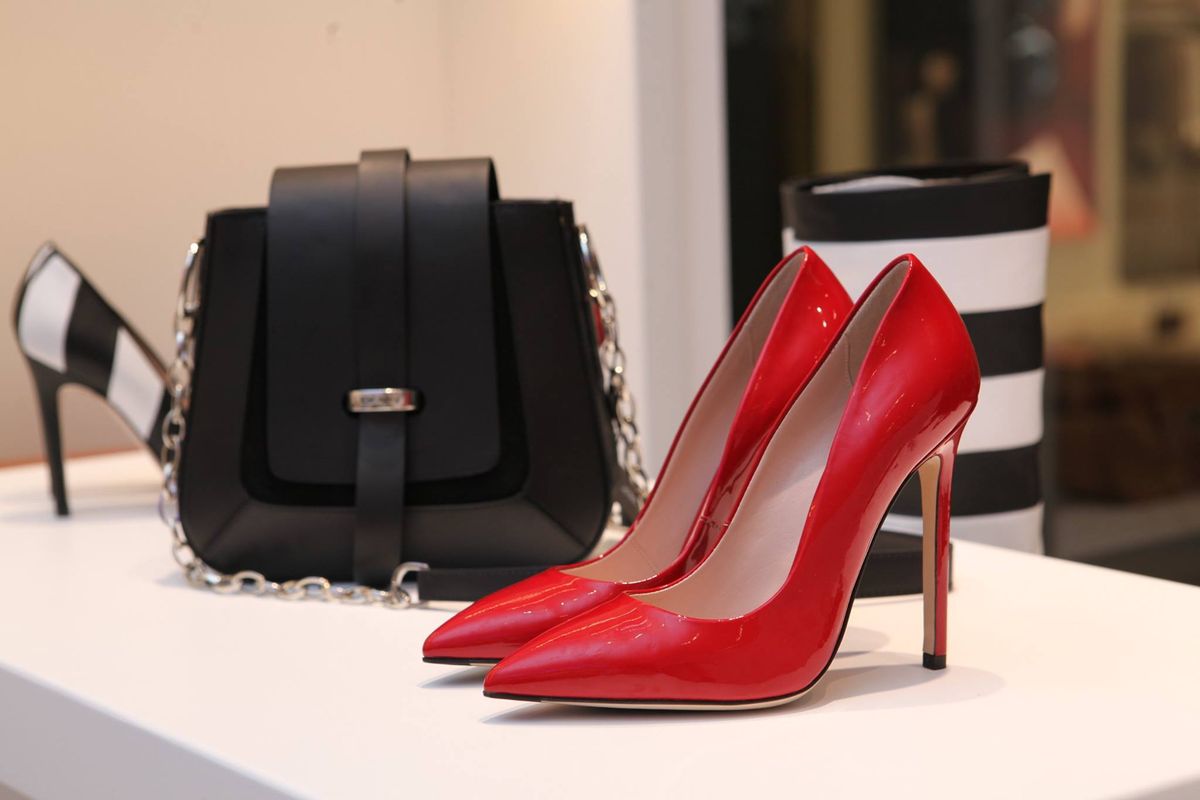
Pick up a bootie in a shop and your hand goes straight for the heel. Buyers do this every time, and it’s the wrong end of the shoe to start from. Heel height is the number printed on the box. The ankle opening is the number that decides whether you keep wearing them on day three.
Measure the opening on a pair you already walk in all day. Most women’s ankle boots sit between 24cm and 28cm around the top edge. Under 24cm, and you’ll feel that edge against your shin bone by mid-afternoon, especially in tights. Over 29cm and the bootie stops reading as a heeled boot and starts looking like a rain boot that lost its shaft.
Shaft height is the second number, measured from the floor at the back of the heel. On a true bootie it lands between 8cm and 12cm. At 8cm to 10cm the top edge stops right at the ankle bone, which is the cleanest line under a cropped trouser. At 11cm to 12cm it starts covering the lower calf, and that quietly rules out half the skirts in your wardrobe.
- Opening 24 to 27cm: sits close, reads dressy, tight over thick tights
- Opening 28cm and up: room for a thin sock, reads more casual
- Shaft 8 to 10cm: works under a hem that stops above the bone
- Shaft 11 to 12cm: needs a hem that clears it by at least 5cm
Toe shape is the third measurement and the one that quietly sets your step count. A pointed toe on a size 38 leaves roughly 5mm less usable length than a round toe on the same last. That sounds like nothing. It’s the difference between your second toe lying flat and curling under by lunchtime. Almond toes give back about half of that, which is why they turn up so often on booties built for walking rather than posing.
Then the heel. For a bootie you plan to walk in, 70mm to 85mm is the working zone. A 95mm stiletto bootie is a car-to-table shoe, and if you pack it for a four-day trip you’ll be buying flats on day two. If the listing gives you heel height and nothing else, email and ask for the shaft and opening measurements. A shop that sells booties should have a tape measure within reach.
The 48-hour test before anything goes in the bag
New booties need a trial run at home, not at the airport. Give yourself two days and wear them indoors for two hours on the first evening and three on the second, with the tights or socks you actually plan to travel in. Carpet hides almost everything, so spend twenty minutes on the hard kitchen floor as well.
Watch three places. The back of the heel, where a stiff counter will rub through a thin sock in about forty minutes. The top edge of the shaft, which is where a bootie that’s 5mm too narrow makes itself known. And the ball of your foot, because a bootie with no padding under the ball will feel fine standing and awful after a kilometre.
What you’re looking for is small: a warm spot rather than a sharp pain. Warm means the leather is moving with you. Sharp means the last is wrong for your foot and no amount of breaking in will fix it. If you get a sharp spot at the back of the heel, try a heel grip before you give up, since a bootie that slips 3mm at the heel will rub on every step. If the top edge cuts in, the bootie is too narrow at the opening and a cobbler can stretch it maybe 4mm. Past that, return it.
Time the test for the end of the day. Feet swell by around 5% between morning and evening, which on a size 38 is roughly half a size. A bootie that’s snug at 9am will be genuinely tight at 7pm after a day of walking, and that’s the bootie that ends up at the back of the wardrobe. Try new pairs on after 6pm if you can.
Do this test with the bag already half packed. It sounds fussy, but it takes one evening and it removes the single most common reason a trip goes wrong: a pair that was fine for eleven minutes in the shop.
Four days, three outfits, one pair
Here is how one pair of black bootie heels covers four days without looking like you packed in the dark. The trick is that black at ankle height is nearly invisible, so the bootie stops competing with what you wear and starts holding the outfit together.
Day one, travel and dinner. Dark straight-leg trousers, a knit, and the bootie underneath. This is the outfit that has to survive a flight, so nothing tight at the waist and nothing that creases into a map. The bootie does the dressy work here. Swap to a satin black heel with a pointed toe only if the dinner is somewhere with tablecloths and you’ve a taxi both ways.
Day two, walking and a gallery. Midi skirt, opaque tights, bootie. This is the one combination where a bootie beats every other shoe you own, because the shaft covers the gap where a pump would show a cold ankle in October. Keep the heel under 85mm and the walk is fine.
Midweek, the meeting. Same trousers, different top, bootie again. Nobody notices. That’s the whole point of packing one pair in a colour that disappears.
Last morning, the flight home. Jeans, if they have any stretch, and the bootie with a thin sock. Ankle boots with a 70mm heel are genuinely comfortable in a seat for three hours, which is more than you can say for a ballet flat with a thin sole.
Weather is the variable that ruins this plan most often. Booties handle cold and dry without complaint. They handle rain badly if the sole is leather and the heel tip is 6mm wide, because both turn slick on wet stone. If the forecast shows three days of rain, plan the bootie for the indoor days and put a flat in the bag as backup. That’s not defeat. It’s just cheaper than a taxi to a pharmacy for blister plasters.
One outfit does not need to be a whole look. The trousers you fly in should be the ones you wear to dinner, which means a dark straight leg with a little stretch and a hem that stops 5cm above the bootie’s top edge. One knit that goes under a jacket and over a shirt. That’s three pieces, and they produce nine combinations if you count the jacket off, the knit out and the shirt alone. The bootie holds all nine together because black at ankle level doesn’t argue with grey, navy or cream.
Three outfits out of one pair works because black bootie heels sit at a crossroads: dressy enough for a dinner, covered enough for a cold morning, and plain enough that repeating them reads as a decision rather than an accident.
What the security tray does to a suede bootie
Material is the part of the packing decision almost nobody thinks about, and it’s the one that shows up in photographs by day three. Suede and nubuck look better in the shop and worse in a suitcase. They scuff at the toe, they mark where the other shoe presses against them, and a splash of rain leaves a tide line that doesn’t come out with a cloth.
Smooth leather and a coated finish survive a trip. So does a matte faux leather, provided the finish isn’t the shiny kind that creases white along the vamp. If you already own a suede pair you love, pack each bootie in a cloth bag and put something soft between them. A hotel shower cap does this job fine.
One more thing about the tray: TSA bins are scuffed plastic with grit in the corners, and a pale suede toe will pick up a grey mark in the ninety seconds it spends in there. Black hides it. That is a real argument for black over chocolate brown or bone, and it has nothing to do with how the colour looks.
Waterproofing spray is worth ten minutes before you leave. Two light coats, dried between them, and reapply at the toe and heel where the finish wears first. It won’t make a leather bootie waterproof, and anyone who tells you otherwise has not stood in a puddle in one.
Socks, tights, and the half-size problem
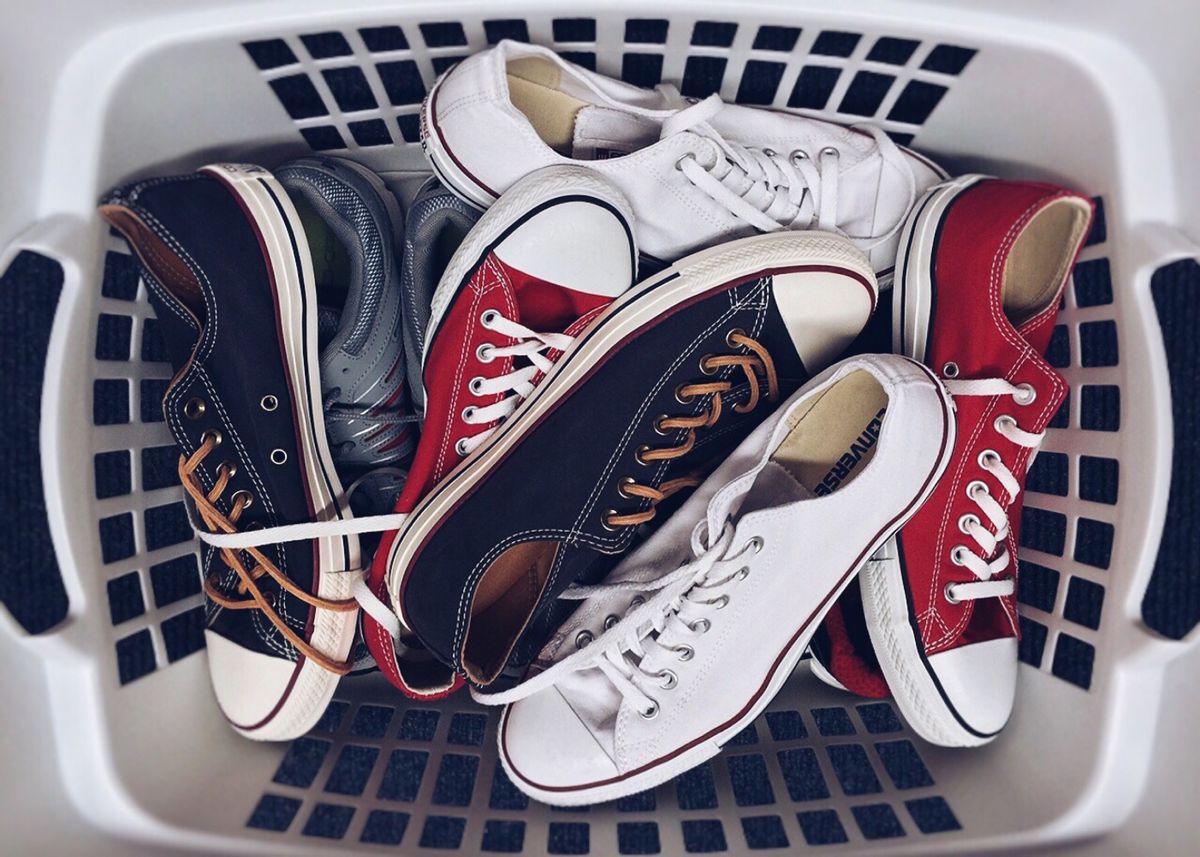
Booties run on the tight side around the instep, and the half size you choose depends entirely on what goes inside. Try the pair on with the thickest sock you plan to wear. If the bootie fits perfectly barefoot, it’ll be too tight with a wool sock in November.
There is a rule of thumb worth carrying: if you plan to wear tights, take your normal size. If you plan to wear a sock of any thickness, go up half a size in a bootie with a closed toe and a pointed shape. Pointed toes lose about 5mm of usable length compared with a round toe of the same size, and that 5mm is the difference between a comfortable day and a numb second toe.
Wide feet need a different answer. Going up a whole size to get width puts your heel too far back in the bootie, and then the heel slips on every step. Look for a wide fit, or a rounder toe, or a style with a soft unstructured counter at the back. A pointed pair with a slightly longer vamp can also work because the extra length sits ahead of your toes instead of squeezing them.
European and US sizing add another layer of confusion. A EU 38 isn’t reliably a US 7.5 across brands; on some lasts it behaves like a 7, on others like an 8. Ignore the conversion chart and use your foot length in centimetres, which most listings now include. For a bootie, add 5mm to 8mm of clearance at the toe and you have your size. Anything less and the pointed toe will find your longest toe on a downhill stretch.
Insoles change the fit more than most people expect. A 3mm gel insole lifts your heel out of the cup and can make a bootie feel half a size small. If you know you’ll want cushioning on day three, size with the insole already in.
Where black bootie heels let you down
Two honest problems, because a pair that only gets praise in a review is a pair nobody actually wore.
The first is the heel tip. A bootie with a 6mm tip on a 75mm heel is stable on carpet and treacherous on wet stone. Cobbles, tram tracks and a polished station floor will all find the limit of that tip. Have a cobbler fit a slightly wider tip before a trip, and the same bootie becomes dramatically less interesting to fall off.
The second is weight. Heeled booties are heavier than they look, usually 300g to 450g each, and that weight sits at the end of your leg where you notice it. If you’re walking 10,000 steps a day, a lighter pair wins over a better-looking one. This is why a bootie is the right shoe for a city break with a lot of sitting and the wrong shoe for a trip built around walking.
Grip is the third one, and it’s the least talked about. Turn the bootie over in the shop and look at the sole. A smooth leather sole with no tread is fine on carpet and office flooring and useless on a wet ramp. A rubber sole with a shallow zigzag holds up far better and adds almost no weight. If the sole is smooth and you love the pair, a cobbler can add a thin rubber half-sole for a small sum, and that single change makes more difference to how the bootie behaves in real weather than any other fix.
And a small one: black leather scuffs at the toe in a way that’s visible from a metre away. Pack a travel-size cream polish if the trip includes anything formal. Five minutes in the hotel bathroom is cheaper than a new pair.
The packing list that fits in a tote
Four days, one carry-on, one pair of booties. What else earns a place:
- Two pairs of tights, one opaque and one 40 denier, because the temperature won’t do what the forecast said
- One thin wool sock for the flight and for any day that turns cold
- A heel grip and two blister plasters, in the bag rather than in the suitcase
- Waterproofing spray applied before leaving, not bought at the destination
- One cloth bag per bootie, so they don’t rub against each other in transit
That’s a 400g kit and it solves the problems that actually happen. The rest is wardrobe: two bottoms that work with the same shaft height, three tops, one layer. There is a longer argument for building a small travel wardrobe around a single pair of shoes in the notes on block heel styles, which behave the same way with less wobble.
One more check before you close the bag: put both booties on a flat surface and look at them from the back. If one heel leans inward, the pair was stored badly or the heel was set slightly off, and it’ll roll under your ankle on every step. Send that pair back. Black bootie heels are common enough that you don’t need to live with a wonky one.
If you want the wider history of why the ankle boot keeps coming back every autumn, the encyclopaedia entry on boots is a decent place to start, and the seasonal reporting at Footwear News tracks which shapes actually sell rather than which ones get photographed.
One last number that matters more than any of this. If the bootie isn’t comfortable for two hours at home, it won’t be comfortable for eight hours in a city you don’t know, with no car and a phone at 12% battery. Pack the pair you tested, not the pair you hope will work. Four days is a long time to spend thinking about your feet.
