

You see them in the window, blue body, yellow heel tab, and they look like the best idea you’ve had all summer. Then you get them home, wear them on a 32°C Tuesday, and by the time you reach the office the yellow has picked up a grey smudge and the blue looks flatter than it did under the shop lights.
Blue and yellow sneakers for women are the most photogenic combination in the category and one of the least forgiving to wear. Not because the colours clash, but because both of them react to heat, light, and dirt faster than black or white does. Here’s what actually happens to the pair over a hot week, and how to keep it looking like the window version.
Why blue and yellow work at all
Blue and yellow sit almost opposite each other on the colour wheel, which is why they read as vivid without looking messy. The eye gets contrast in hue rather than contrast in lightness, so the pair looks bright even in flat light. That’s the whole trick, and it’s why the combination survives decade after decade in sportswear.
The catch is saturation. A strong cobalt with a strong lemon is loud enough to be the only colour in the outfit. A navy with a mustard is calm enough to wear to work. Same two hues, completely different shoes. Most people who think they hate blue and yellow have only seen the first version.
Three pairings that behave differently in daylight:
- Cobalt and lemon. High contrast, reads sporty, looks best with denim and white. Ages visibly because the yellow shows every mark.
- Navy and mustard. Low contrast, reads smarter, works with grey and camel. Hides dirt far better than people expect.
- Sky blue and butter yellow. Softest of the three, closest to pastel, and the one that goes grey fastest in strong sun.
Pick the pairing by where you’ll wear them. If they’re weekend shoes for a hot city, cobalt and lemon earn their keep. If they need to survive an office with a dress code, navy and mustard does the same job with less attention.
The colour-wheel explanation is older than sneakers, and it still holds. Britannica’s overview of colour covers why complementary pairs produce that vibration effect, if you want the theory behind what your eye already knows. What it doesn’t tell you is that clothing shifts the effect: the same blue reads calm next to grey and electric next to white.
The 32°C truth about dye and heat
Heat doesn’t change the colour of a sneaker in a day. It changes it over a summer, and the change is uneven, because the materials on one shoe don’t all hold dye the same way.
Leather takes dye into the fibre and holds it reasonably well. Suede takes dye on the surface of the nap, and the nap is the first thing to fade. Synthetic mesh takes dye into a polymer that also yellows with UV exposure, which is why a white mesh panel next to a blue one often goes cream while the blue stays put. That mismatch is what makes a two-season-old pair look tired.
In direct sun, surface temperature on a dark upper can run 15 to 20°C above air temperature. That matters because dye migration and coating softening both accelerate with heat. Leaving a pair on a balcony for a week is the fastest way to age them by a year.
What you can control:
- Dry them in shade, never in sun. This one habit doubles the life of the colour.
- Rotate pairs in hot weather so each one dries fully between wears.
- Keep them out of a hot car. A dashboard can hit 60°C and soften the sole glue.
- Use a UV-protectant spray on suede panels before summer, not after the fade starts.
What you can’t control is the base quality of the dye. Cheap yellow pigment on corrected-grain leather fades to a pale cream at the flex point within about 40 wears. Good pigment holds for years. You can’t tell which one you have from the shop shelf, but you can from the price and the finish: a yellow that looks slightly dull and deep usually lasts longer than a yellow that looks almost fluorescent.
If your skin is sensitive, there’s a second reason to ask about the dye. Cheap yellow and blue pigments are the ones most likely to bleed onto socks in a hot, sweaty shoe, and some azo dyes are restricted in the EU for exactly that reason. The OEKO-TEX Standard 100 limit list is the quickest way to check whether a brand has tested for it, and plenty of mid-priced sneakers carry the certification quietly. A pair that bleeds blue onto your white socks on the first hot day is telling you something about the finish, not just the laundry.
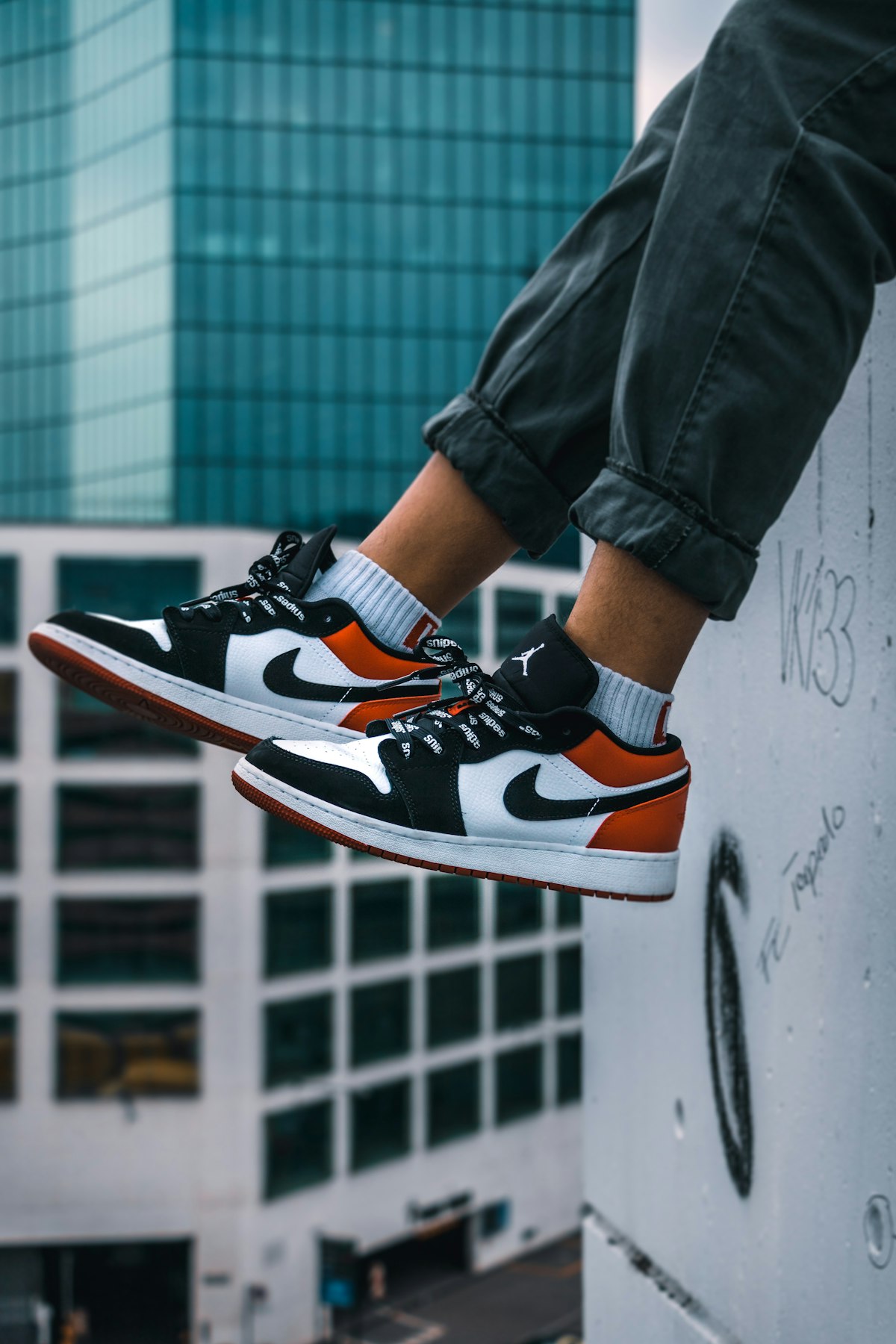
Yellow is the first panel to look dirty
This isn’t a quality issue. It’s physics. Yellow reflects most of the light that hits it, so any grey or brown contamination stands out as a shadow. The same speck of dust on a navy shoe is invisible and on a yellow toe cap looks like a stain from across the room.
The good news is that yellow is also the easiest colour to clean, because you can see exactly where the dirt is. The bad news is that the cleaning itself is the risk. Rubbing a yellow panel too hard takes the topcoat off and leaves a lighter patch that looks worse than the mark you were removing.
The routine that works, in order of gentleness:
- Dry brush first. Most marks on a yellow toe cap are dust sitting on the surface, and a soft brush removes them without any liquid.
- Then a damp cloth with a drop of mild soap. Blot, don’t scrub.
- For scuffs from other shoes, a melamine sponge used lightly, only on smooth leather, never on suede.
- Rinse the cloth and wipe the soap off. Residue attracts dirt faster than the original mark did.
Skip the whitening toothpaste trick. It works on white canvas because it’s mildly abrasive and the canvas is white all the way through. On yellow leather it lifts the finish and leaves a chalky ring that nothing fixes. If a mark won’t come off with soap and water, it’s in the material, and you’re now in the territory of living with it.
One thing worth buying before you need it: a suede eraser. It costs about £5, looks like a small block of rubber, and lifts dry scuffs off yellow suede better than any liquid. Most people wait until the shoe is marked, then try soap, then damage the nap. Keep the eraser in the box with the shoes and use it the same evening a scuff appears. It takes 20 seconds and it’s the single most effective habit for a light-coloured pair.
Socks decide whether the pair looks deliberate
A blue and yellow sneaker has two strong colours and no neutral to rest the eye. Whatever appears between the shoe and your trouser hem becomes part of the composition, which is why the same pair can look sharp one day and chaotic the next.
The safest choice is a sock that repeats one of the two shoe colours: navy, cobalt, mustard, or a cream that reads as neutral. The next safest is white, which is boring and works. What rarely works is a third colour, especially red or green, because now the eye has three competing focal points below the knee.
No-show socks are a different calculation. With bare ankle, the shoe becomes the only colour block and the outfit gets simpler. That’s usually the better look in hot weather, though it does mean the collar sits directly against skin, which is where sweat marks appear first.
One practical note about hot days and bare ankles. Sweat plus friction at the collar is the standard recipe for a blister, and a blue and yellow pair worn without socks on a 32°C afternoon will rub more than a black pair, simply because you’ll notice the mark on the lining. A low-cut sock with a silicone heel grip solves it and stays hidden.
What to wear above them
The upper half of the outfit decides how loud the shoes read. Blue and yellow sit comfortably with denim, white, grey, and camel. They fight with red, orange, and anything heavily patterned, and they can look confused against a very pale pastel that’s close to but not the same as the yellow.
Two combinations that work on a hot day without thinking:
Blue jeans, white tee, and the sneakers. The denim echoes the blue, the tee gives the eye somewhere to rest, and the yellow becomes the accent. Nothing clever, nothing that fails.
Grey trousers and a plain top, with navy and mustard shoes. Grey is the most forgiving neutral next to yellow, and it lets the mustard read as a deliberate choice rather than an accident.
What tends to go wrong is trying to match both colours above the ankle. A yellow top with blue trousers and the same shoes is technically coordinated and visually exhausting. Let the shoes carry the colour and keep everything else quiet.
Length matters as much as colour here. Cropped trousers that end above the ankle make the shoe the visual full stop and work well with a bright pair. Full-length trousers that break over the shoe hide half the colour and make the whole thing look accidental. If you’re short, that break also shortens the leg, which is the opposite of what a bright shoe is for.
Shop light lies, daylight doesn’t
Retail lighting is designed to make colour pop, and it does it by pushing blue and green wavelengths. A pair that looks vivid on the shelf can look muted the moment you step outside, and a pair that looks slightly dull in the shop can be the better one in real light.
If you can, take the shoe to a window before buying. Look at it in indirect daylight and then under the warm light near the till. Blue shifts more than people expect between those two conditions. Yellow shifts less but loses saturation in low light, which is why mustard can look almost brown in an evening restaurant.
There’s also the phone problem. Photographing a blue and yellow sneaker is genuinely difficult because phone cameras push saturation and cool the white balance. The pair in your camera roll is not the pair on your feet. If you’re buying online, look for photos taken in daylight without a filter, and be suspicious of any product shot where the background is pure white and the yellow looks almost glowing.
One more test that costs nothing: hold the shoe under the light you’ll actually wear it in. Most people check shoes in the morning, then wear them in the evening, and a yellow that reads bright at 9am can look muddy under warm restaurant lighting at 8pm. If you’re buying for evenings out, look at the pair under a warm bulb before you commit.
Sweat, salt, and the ring at the collar
Summer wear leaves a specific mark on light-coloured sneakers: a pale ring at the collar where sweat has dried and salt has stayed behind. On blue it shows as a lighter band. On yellow it shows as a slight brown tide line. Neither is permanent if you catch it early.
Wipe the collar with a damp cloth at the end of a hot day, before the salt dries. Once it’s dry, the salt sits in the lining and pulls dye out from the inside, which is why the mark reappears after every wear even when the outside looks clean.
Lining matters here. Leather lining handles sweat far better than synthetic, because it absorbs and releases moisture rather than trapping it against the foot. If you’re choosing between two blue and yellow pairs at a similar price, the one with the leather lining will look better in August and smell better in September.
Salt stains from winter roads are a different problem entirely, and worth knowing about if you plan to wear the pair year-round. Road salt dries into white lines that sit inside leather and can’t be wiped off. If you live somewhere with salted pavements, treat a light-coloured pair as a three-season shoe and keep a darker alternative for January.
Screen claims are worth a mention too, since they affect how much the collar sweats. Mesh panels labelled breathable move air, but they also let the lining stay damp longer if the mesh itself is coated. Leather lining inside perforated leather is the combination that dries fastest, and it’s usually obvious in the hand: perforations you can see light through, lining that feels like skin rather than fabric.
When blue and yellow is the wrong buy
There are situations where this colourway is simply a worse tool than a plain pair. The first is a formal-ish workplace. Navy and mustard can pass in a creative office and will look out of place in a law firm, and no amount of good styling changes that.
The second is a daily commute with a lot of walking. Bright pairs draw the eye downward, which is fine, but the yellow panels show pavement scuffs within a month and the pair starts looking scruffy well before it’s worn out. If you walk 10,000 steps a day on city streets, a darker upper with a coloured sole gives you the same personality with half the maintenance.
The third is a wardrobe built on black and grey. Blue and yellow will be the only colour you own, and they’ll end up unworn because nothing else in the rotation supports them. That’s not a taste failure. It’s a maths problem, and the fix is a pair with one accent colour instead of two.
If you want the energy without the upkeep, a lightweight sports and leisure shoe in a single bright colour does most of the same job, and a low-profile leisure sneaker is easier to pair with a work wardrobe. Both take a scuff better than a lemon-yellow toe cap does.
There’s also a middle path worth considering if you love the look and hate the maintenance: buy the two-tone pair in suede rather than smooth leather. Suede hides fine scuffs because the nap scatters light, and it doesn’t show the grey transfer marks that make smooth yellow look dirty. The trade is rain, which suede handles badly. If your summer is dry, suede wins. If it isn’t, stick with smooth leather and keep a brush by the door.
For the pair you actually want, the sneaker range has enough colourways to compare side by side. Take them to a window first. And if you’re wondering how much of the fit problem is colour and how much is shape, the slip-on fit guide covers the structural side, which matters more than most people think.
Buy the blue and yellow pair for the days you want to be noticed, and keep a boring pair for the days you don’t. Most people who regret this colourway bought it as their only summer shoe, then discovered that a shoe which demands attention is exhausting to wear four days a week.
