

It’s 7:48 and you’re out the door at 8:05. There’s a pair of boots by the door and a pair of heels on the rack, and the decision you’re about to make in ninety seconds will shape the next ten hours of your day. Not the outfit. The shoes.
Here’s the part most style advice skips: when you’re late, you don’t need more options. You need a short list and an order to run through it. Three decisions, made in sequence, take about four minutes once you’ve done it a few times.
This is written for the specific situation of owning several pairs of womens leather boots heels and still standing in front of them with no idea which one to put on, which happens in most wardrobes about twice a week. The order below is the one that produces the fewest regrets.
Three decisions, in this order
The order matters more than the decisions themselves. Most people start with what looks best, then discover the heel is wrong for a day that involves 6,000 steps, then change shoes and start again. That loop costs ten minutes and leaves a pile of shoes by the door.
Run it the other way. Distance first, then the trouser, then the weather. Each one narrows the field, and by the third question you’re usually holding one pair.
- How far will you actually walk today, door to door?
- What’s on your legs, and where does it end?
- Is the pavement wet, salted, or dry?
That’s it. Everything else, colour, hardware, whether the toe is square or pointed, gets decided by whatever survives these three filters. Style isn’t ignored. It just comes fourth.
Four questions is already three too many at 7:48.
The reason this works is that two of the three questions have hard limits. You can negotiate with a trouser hem by rolling it. You can’t negotiate with a 90mm stiletto on a 2km walk to a train station, no matter how good the mirror looks.
Decision one: heel height against the walk you actually have
Count the walking in your day before you count anything else. Door to car is 20 metres. Car to desk is 200. Desk to lunch is 300 each way. Add the walk to the station and back and you’re at 2,400 metres before you’ve done anything social.
Two thousand metres on a hard pavement is where heel height stops being a style question. As a working rule: under 50mm, any distance. 50 to 70mm, up to 3km. 70 to 85mm, up to 1.5km and mostly indoors. Above 85mm, only if the car is dropping you at the door.
Block heels buy you distance. A 60mm block spreads the load across the whole heel and behaves more like a flat than a stiletto does at the same height. A 60mm stiletto concentrates everything on one point, and after 1,500 metres the ball of your foot will tell you about it.
Platforms are the other lever, and they’re the most misunderstood one. A 90mm heel with a 20mm platform has an effective pitch of 70mm, and that’s a different shoe in terms of endurance. If the pair you want is tall and you have a long day, check the platform before you give up on it.
The one thing to check in the doorway, not later: the heel tip. A worn tip changes the angle of the whole shoe and makes a comfortable pair feel unstable within an hour. Two seconds, a thumb on the plastic, and you’ll know.
Most of the pairs in this index of heel styles by height and toe shape list the heel measurement, which saves you guessing when you’re already late.
Decision two: shaft height versus the trouser you’re wearing
Shaft height is the measurement from the top of the heel to the top of the boot, and it’s the single number that decides whether a pair works with the trousers you already have on. Get it wrong and you get a gap of skin, or a hem that bunches over the boot.
Ankle boots sit at 9 to 12cm and work with cropped trousers, midi skirts, and anything that ends above the ankle bone. Mid-calf boots run 20 to 28cm and need a hem that clears them or a skirt that covers them. Knee-high boots at 38 to 42cm want a hem that either tucks in or stops above the knee.
There’s a fast test you can do with the boot on and the trouser you plan to wear. Stand up, walk four steps, then sit down. If the hem catches on the boot’s top edge when you sit, it will do that all day, and you’ll be pulling at it in meetings.
Boots also behave differently from shoes at the same heel height, because the shaft adds weight above the ankle. A 70mm booted heel feels heavier to walk in than a 70mm court shoe, and the extra weight shows up as tired calves rather than sore toes. That’s why most people can wear womens leather boots heels taller than the heel height they’d choose in a pump.
Trouser width matters as much as length. A straight-leg wool trouser over a 10cm ankle boot reads clean. A wide-leg trouser over the same boot swallows it, and the boot’s shape disappears. Wide legs want a shaft that’s tall enough to show above the hem, or a heel that’s high enough to lift the hem clear.
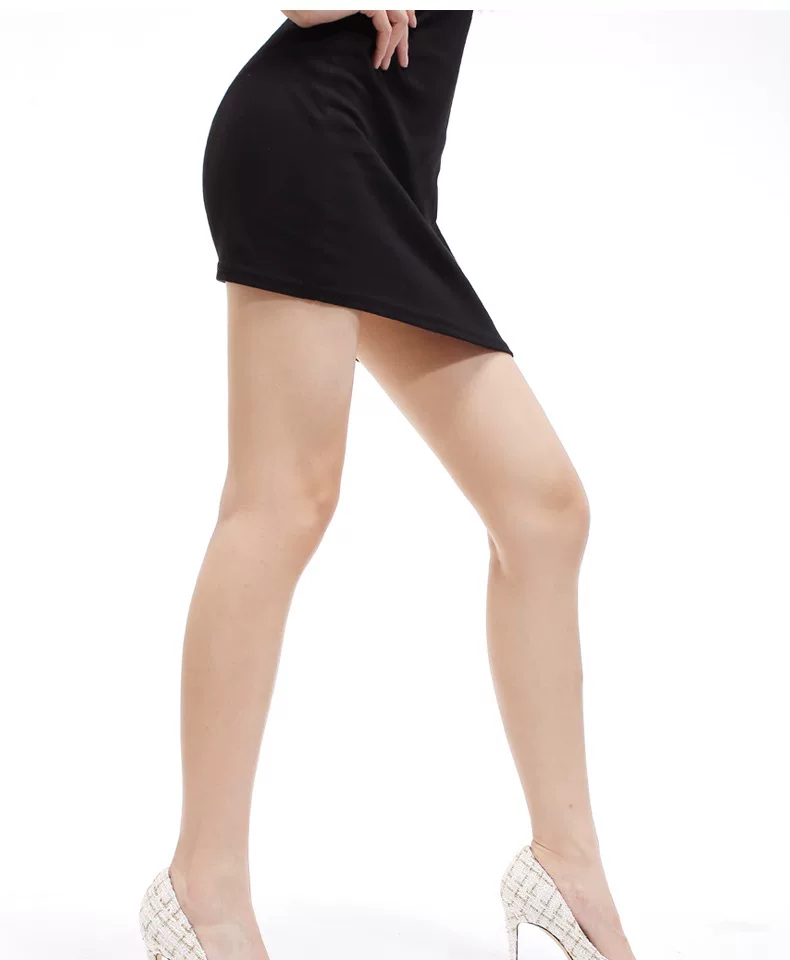
If you’re choosing blind, this buyer’s guide to the measurements the size chart leaves out covers shaft height and calf width with the numbers a chart usually skips.
Decision three: leather that survives a wet pavement
Weather is the fastest filter of the three, and the one people most often ignore. If it’s raining, most suede stays in the cupboard, because water marks the pile and salt leaves a white tide line that doesn’t brush out. Smooth leather with a finish wipes clean. Grainy leather hides marks better than a polished finish.
Leather quality shows up in the first wet week rather than the first dry one. Full-grain leather absorbs a little water and dries back to its original colour. Corrected-grain leather, the kind with a plastic finish, dries with a crease pattern that never goes away. The reference material on how leather is graded and finished explains the difference in more detail than any product page will.
There’s a certification angle here too. Leather and textile finishes are tested for restricted substances, and a pair carrying a recognised standard has been checked for the things that cause dye transfer and skin irritation. The OEKO-TEX standard for leather and textile safety is the one worth looking for on a label.
For a wet day, two practical points beat any label. A rubber top piece on the heel stops you sliding on wet stone, and a sole with a visible tread pattern grips better than a smooth leather sole. Both are visible in ten seconds with the shoe upside down.
And a small maintenance habit that pays off: wipe salt off the same day, not the next morning. Salt draws moisture out of leather and leaves it dry and cracked, and once the finish breaks down the crease lines turn permanent.
The fallback combination that always works
Every wardrobe needs one combination that requires no thought, and most people already own the parts of it. For most people it’s a black or dark brown ankle boot with a 50 to 60mm block heel, worn with a straight-leg trouser or a midi skirt. It works with everything, walks 3km, and survives drizzle.
This is not an exciting answer. It’s the answer that gets you out of the door in 90 seconds and still looks intentional at 11am, and the point of a fallback is to be boring enough that you never have to think about it.
What makes the combination work is that all three variables are fixed. You don’t choose the heel height, you don’t choose the shaft, and you don’t choose the leather. You just put them on. The decision was made weeks ago when you bought them.
Building one takes about an hour of thinking. Pick the heel height by measuring your most common walking day, which is usually the commute plus lunch. Pick the shaft by looking at the trousers you wear most. Pick the leather by looking at the weather where you live.
Then buy that pair and stop. A pair of genuine leather heels with a shallow cut and a mid-height heel does this job well if you prefer a shoe to a boot. If you want the leather and the height in one, these leather single shoes with a covered heel are the same idea in a lighter weight.
The one thing worth spending on is the sole. A stitched sole can be replaced for a fraction of the price of a new pair, which turns a three-year boot into a seven-year one. Glued soles can’t be repaired economically, and the glue fails at the toe first.
What never works when you’re late
Some decisions fail so reliably that they’re worth naming, and every one of them shows up more often with womens leather boots heels than with any other style. Trying a new pair for the first time on a day with a deadline is the biggest one. New leather needs two or three wears to soften at the heel counter, and the first wear is when every pressure point announces itself.
Changing your whole outfit to match a shoe is the second. It sounds obvious and it happens constantly: the boot doesn’t work with the trouser, so the trouser changes, and now the top is wrong. Ten minutes gone, and the outfit is worse than where you started.
Third is the pair you keep by the door because you like how they look, knowing they hurt after an hour. That pair is a trap. If you’ve taken them off under a desk more than once, they aren’t a shoe, they’re a decoration.
Fourth, and this one is subtler: shoes that need a specific sock. Anything that requires a particular sock thickness to fit properly will fail on the day you can’t find that sock. Fit should survive a change of hosiery.
And one habit that quietly costs people a pair a year: buying a second colour of something that already fits badly. If the first pair presses at the toe, the second pair in brown will press at the toe in exactly the same place. Womens leather boots heels are worth repeating only when the fit is already settled.
Last, the mirror check at the front door. It shows you the top of the shoe and nothing about the sole, the heel tip, or the flex point. A ten-second check with the shoe upside down tells you more than a minute in front of a mirror.
The sizing detail that decides whether you keep them
Leather boots and leather heels size differently, even from the same maker, and the difference is the lining. A boot with a full leather lining takes up 2 to 3mm of internal volume at the heel. The same last built as a shoe leaves that volume empty. Wear a 38 in one and you may need a 37.5 in the other.
Measure the insole, not the outside. The insole should be 8 to 10mm longer than your foot when you’re standing, measured at the end of the day. That’s the same rule for both shapes, and it’s the only one that transfers between brands.
Calf width is the number nobody publishes on boots. Measure the widest part of your calf and compare it to the boot’s internal circumference. Under 5mm of difference and the boot will feel tight by mid-afternoon, because calves swell slightly with standing. Over 30mm and the shaft will gape at the top, which looks worse than a tight fit feels.
Ankle boots are more forgiving. The shaft is short enough that the calf never enters the equation, which is why they’re the safer buy when you’re ordering without trying on. If you’re buying womens leather boots heels for the first time and can’t get to a shop, start with an ankle height.
There’s a reasonable guide to why most low-heeled pairs get returned that covers the same sizing logic from the angle of what goes wrong after purchase rather than in the shop.
Two minutes before you pay for the next pair
The checks below take two minutes and catch most of what turns a good pair into one you stop wearing. They’re worth doing in the shop rather than at home, because at home you’ve already paid.
- Squeeze the heel counter: it should resist, not collapse
- Bend the sole at the ball of the foot, not the middle
- Look for a stitched sole line rather than a glued edge
- Check the heel tip is replaceable and sits flat on the floor
- Walk 20 steps on a hard surface and listen
A heel counter that collapses means no support at the ankle, and in a boot that shows up as the shaft leaning inward after a month. A sole that bends in the middle rather than under the toes means no shank, and the arch will ache on any walk over a kilometre.
The listening test is underrated. A clean pair makes one sound, the heel tip on the floor. A pair with a loose shank or a badly bonded sole adds a second, duller click a fraction of a second later. Nobody in a shop will point that out to you.
Keeping the pair ready so the decision takes four minutes
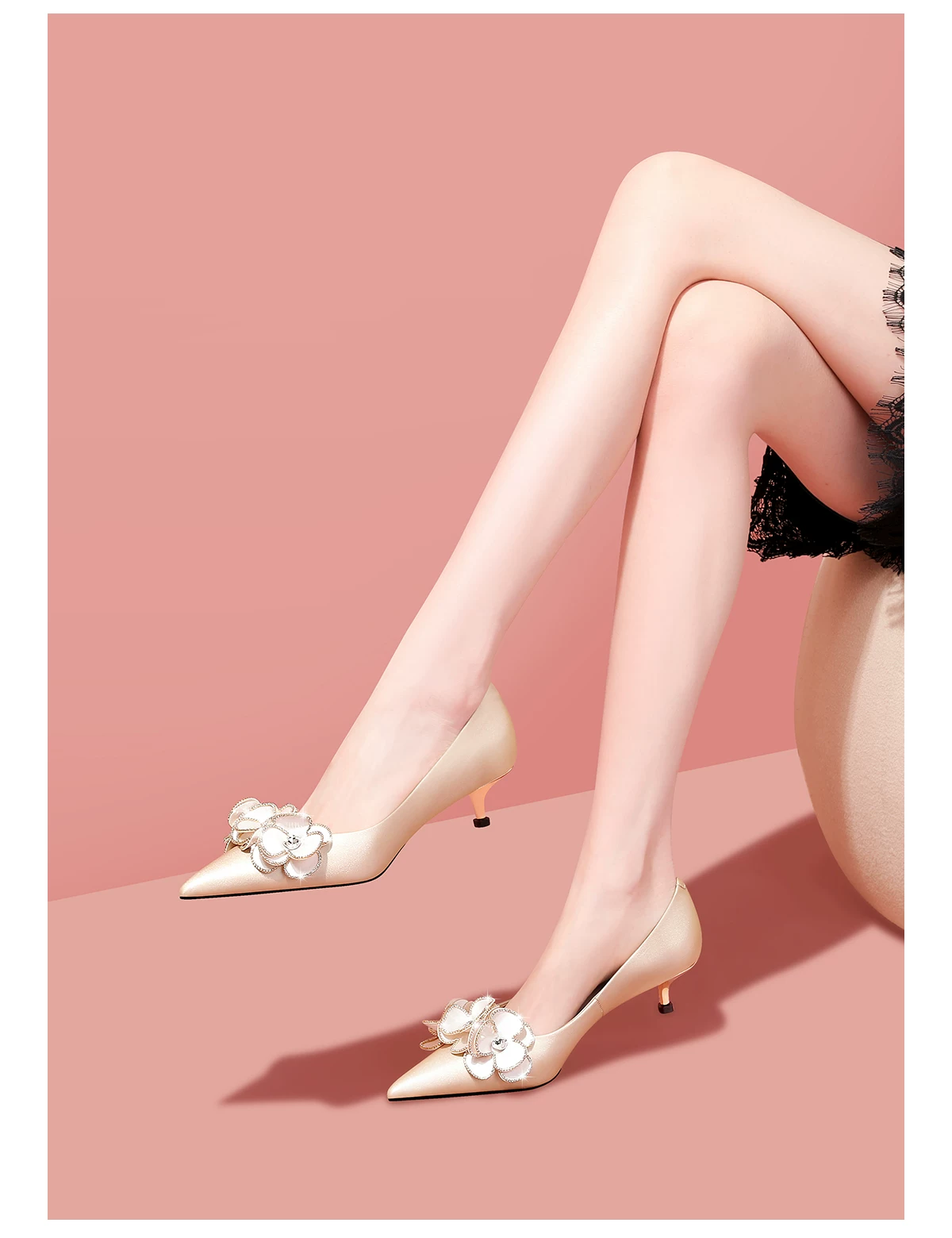
Womens leather boots heels need very little maintenance, but they need it at the right time. Most of the four minutes is spent looking for things: the other shoe, a heel grip, the polish. Ten minutes of setup on a Sunday removes that entirely.
- Store boots heel-out so a worn tip is visible at a glance
- Keep one pair of heel grips and one thin insole in the same drawer
- Brush and spray leather the day it comes home, not the day you need it
- Retire anything that has needed a repair twice in one year
Rotation matters too. Wearing the same pair of womens leather boots heels five days a week wears the lining at the heel faster than any other part, and a leather lining that has gone shiny and thin can’t be repaired. Two pairs worn alternately will outlast three pairs worn in sequence, which is the least intuitive fact in shoe ownership.
The heel-out storage habit is worth more than it sounds. Heel tips wear at an angle, and a tip worn on one side makes the shoe roll outward, which is the beginning of an ankle sprain on a wet pavement.
One more thing to set up: know your walking numbers. If you know your commute is 1.4km each way and your building has four flights of stairs, heel height stops being a mood and becomes arithmetic. That single number has probably saved more morning arguments than any style rule.
So the sequence is: distance, then hem, then weather, then whatever’s left is the pair. Ninety seconds if the pairs are ready. Four minutes if they’re not. Either way, you leave the house in the shoes you planned to wear, which is a lower bar than it sounds and one most people miss twice a week.
