

You’ve got one pair of women’s canvas sneakers. They were cheap, they look good with everything, and by August they smell faintly of a canal. The question isn’t whether they’ll get dirty. It’s whether they survive being cleaned, and whether the sole is still attached in October.
Canvas is the oldest low-cost sneaker material around, and it’s still the one most people buy first. It’s breathable, it packs flat, and it takes a colour better than leather does. It also has two predictable failure points, and once you know them you can pick a pair that gets through a full summer instead of half of one.
Here’s the short version: buy a vulcanised sole, wash cold, and don’t expect more than two seasons from a £40 pair. Now the detail, because the detail is where you save the money.
Why canvas behaves nothing like leather
Canvas is a plain weave of cotton, usually 10oz to 14oz per square yard for sneaker uppers. Heavier means stiffer and more durable. Lighter means it drapes and breathes more but wears through faster at the flex point.
Woven fabric has no memory. Leather stretches to your foot and stays there. Canvas stretches and then stays stretched, in the shape of your worst habit, usually a bulge where your little toe pushes. That’s why canvas sneakers for women look baggy across the toe after two months of daily wear, even if the size was right on day one.
It also means canvas doesn’t hold dye the way leather does. Dark canvas fades at the creases first, then along the top of the toe where the sun hits. Some people like that. If you don’t, buy a light colour where fading isn’t visible.
Breathability is the real advantage. Cotton lets moisture out, so your foot stays drier than in a coated synthetic upper. That matters more than cushioning in July. The catch is that cotton also absorbs water from outside, so a 20-minute walk in the rain leaves you squelching until lunch.
There’s a middle option worth knowing about. A canvas upper on a rubber cup sole with a leather-lined heel gets you the airflow without the complete collapse at the back. These thick-soled casual sports shoes take that approach, and the structured heel is the part that keeps them wearable past month three.
The toe cap is the first thing to go
Look at the front of any worn canvas sneaker. The damage is almost always in the same place: the inner edge where your big toe presses, and the outer edge where the fabric creases.
Two things cause it. First, a shoe that’s 5mm too short makes your toe do the work. Second, a soft toe box with no reinforcement lets the fabric take the full force of every step. Rubber toe caps exist for a reason, and on a canvas shoe they’re the difference between a two-year pair and a six-month pair.
Check three things before you buy:
- Toe reinforcement: is there a rubber bumper, or just fabric folded over?
- Stitch density: count the stitches along the toe seam. Eight to ten per inch holds. Four per inch will pull open.
- Eyelet quality: metal eyelets with a rolled edge don’t tear the fabric. Painted holes always do, and once one rips the lace sits loose and the whole shoe feels sloppy.
The upper-to-sole join matters as much. Vulcanised construction, where the rubber is cured onto the fabric under heat, flexes with the shoe and stays attached. Cemented construction, where the sole is glued on cold, is cheaper and starts to lift at the heel inside a season. You can spot the difference: vulcanised pairs have a thin rubber foxing strip running around the base. Cemented ones have a visible glue line.
Canvas itself is a sturdy fabric. The failure is nearly always in how it’s assembled. Plain-weave cotton canvas has been used for sails and tents for centuries, so the material isn’t the weak link. If you care where the cotton came from and how it was finished, OEKO-TEX certification standards are the label to look for, since they test for the dyes and finishes that irritate skin.
One detail people miss: the insole. In most canvas sneakers it’s a 3mm foam slab glued in place. On cheap pairs it’s not glued at all, so it slides forward every time you take the shoe off. That’s a small annoyance that turns into a blister on the arch after a long walk.
Washing: what works and what quietly ruins the shoe
You can machine wash canvas. You shouldn’t do it often, and you should never do it warm.
Cold water, 30°C maximum, gentle cycle, in a mesh bag with the laces out. No dryer, ever. Heat softens the cement in the sole and shrinks the cotton upper, and a shoe that shrinks half a size while the sole stays the same length will start to curl at the toe. Once that happens it doesn’t come back.
The better routine, and the one that keeps a pair looking new for longer, is spot cleaning. A soft brush, cold water, a drop of washing-up liquid, and two minutes on the toe and heel. Wipe with a cloth, stuff with newspaper, air dry away from direct heat.
For the smell, which is the actual reason most people wash canvas sneakers, don’t wash at all. Sprinkle two tablespoons of bicarbonate of soda inside, leave overnight, shake out in the morning. It neutralises the bacteria causing the smell rather than covering it. Do this once a week in summer and you’ll never need to machine wash.
If the canvas has gone yellow at the toe, that’s usually detergent residue, not dirt. Rinse again with plain water and dry in shade. Sun bleaches the colour out of the fabric while leaving the yellow behind.
White canvas is a special case. It looks incredible for three weeks. After that, every mark shows and no cleaning method gets it fully back. If you want white, buy two cheap pairs and rotate, so neither one takes a full week of punishment.
Sizing: canvas runs small, and it’s measurable
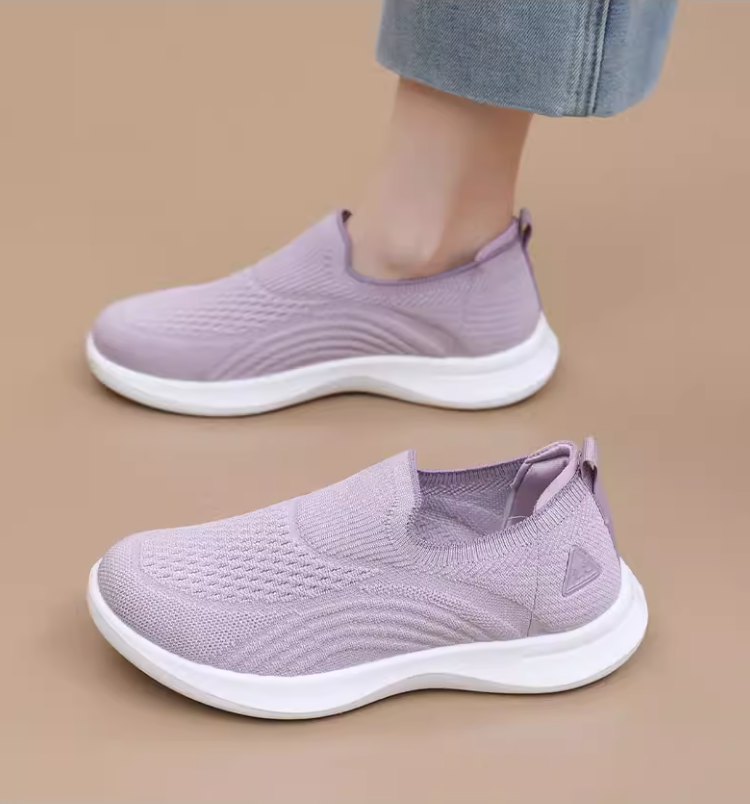
Most women’s canvas sneakers run roughly half a size small compared with leather shoes from the same brand. The reason is the insole and the lack of stretch. There’s no give at the toe, so a snug fit stays snug forever.
Measure your foot at the end of the day and add 10mm for toe room. Then check the brand’s own size chart against the internal length, not the EU size. Internal length is usually listed in millimetres on the product page, and it’s the only number that means anything across brands.
Width is the harder problem. Canvas doesn’t stretch across the ball of the foot, so if you’re between widths, size up rather than hoping. A slightly long canvas shoe with the laces pulled tight looks fine. A too-narrow one gives you a red mark across the joint by the second wear and never gets better.
Narrow feet have the opposite issue: the collar gapes and your heel lifts. Thicker socks help for about a week. The real fix is a different last, so try a second brand before you settle.
Break-in is minimal, which is the good news. Expect one or two short walks and that’s it. If canvas rubs on day one, it will still rub on day twenty. There’s no softening process to wait for. For a longer look at fit across materials, this piece on what a 200-gram sneaker feels like by 3pm is worth ten minutes.
Summer wear: socks, heat, and the ankle question
July changes what works. The shoe that felt fine in April turns into a footbath by noon, and the collar starts to rub where sweat softens the canvas.
No-show socks solve both. Look for ones with a silicone heel grip, because a sock that slides down inside a canvas shoe is worse than no sock at all. Cotton socks hold moisture. Merino or a synthetic blend dries faster, which sounds like marketing and isn’t: a damp cotton sock against canvas is exactly how you get blisters.
Going barefoot inside canvas is fine for short stretches. Anything past two hours and the lining gets damp, the canvas softens, and the shoe starts to smell by the end of the week. The bicarbonate trick handles it, but prevention is easier.
Low-cut canvas shows more ankle, which looks lighter with cropped trousers and midi skirts. Mid-cut hides the ankle and needs a tapered or cropped leg to avoid bunching. High-tops are the hardest to style and the most comfortable on a cold day, which is an odd trade to make in July.
Rain is the one thing canvas can’t do. A water-repellent spray buys you about 15 minutes of drizzle before it gives up. If you commute on foot in a wet climate, canvas should be your second pair, not your everyday one. For those days, a soft leather sports sneaker handles weather that canvas can’t.
When to retire a pair
Most people keep canvas sneakers about six months too long. Three signals mean it’s over.
The first is a visible gap at the heel where the sole meets the upper. Once water gets in there, the inside breaks down fast and no glue fix holds for more than a fortnight. The second is a compressed insole that no longer springs back when you press it. That’s when the aches start, and they show up in your knees before your feet. The third is a hole at the toe where the fabric has thinned to the point of transparency.
Worn canvas can still work as a garden pair. It can’t work as a walking shoe. Swap the insole once at the halfway point and you’ll get an extra season out of the upper, which is the cheapest repair going.
What you shouldn’t do is buy a second identical pair and expect a different outcome. If the first pair failed at the toe seam in four months, the second one will too, because the fault is in the construction.
Three looks canvas actually suits
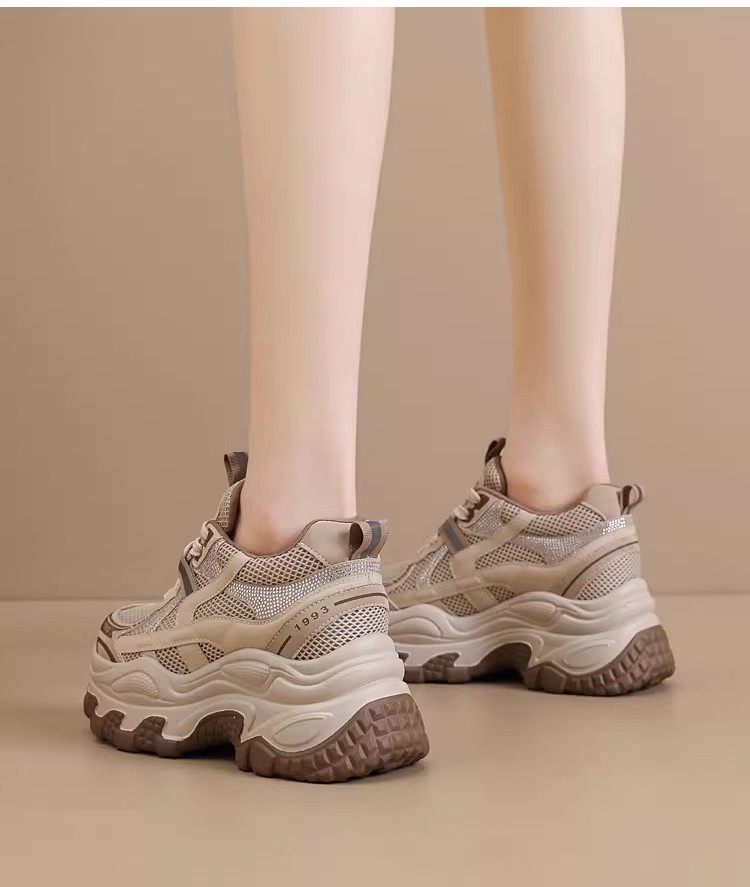
Canvas has a casual gravity that leather doesn’t. It pulls an outfit down a notch, which is useful when everything else is too formal and annoying when you need to look sharp.
Relaxed jeans and a striped tee is the obvious pairing, and it works because the shoe matches the register of the clothes. Cuff the jean once so there’s a bit of ankle showing. A full break over a canvas shoe makes the whole thing look like a school uniform.
Midi skirt and canvas is the one people hesitate over. It works if the skirt is cotton or linen and the shoe is low. A silk skirt with a canvas sneaker reads like you forgot your real shoes. A poplin midi with a navy plimsoll reads like you know exactly what you’re doing. You can see the full range of shapes on the women’s canvas and leather shoe range if you want to compare silhouettes before committing.
Wide-leg trousers and canvas is the sleeper. The flat sole grounds a volume-heavy leg, and the fabric upper keeps it from looking like office wear. Keep the trouser hem 1cm off the floor and it works for a whole summer.
What doesn’t work: tailored wool trousers. The texture clash is too obvious, and the shoe looks underdressed in a way you’ll feel all day. For that outfit, something with a cleaner upper is the better call, which is why backless styles have had such a run. This piece on open-back sneakers and how they fit covers the alternatives if you want something between canvas and a proper shoe.
A short buying checklist
Walk into the shop knowing four things: your internal foot length in millimetres, whether you need a wide fit, the maximum you’ll spend, and the colour you’ll actually wear.
Then check the sole join, the toe reinforcement, and the eyelets. Try them with the socks you’ll wear. Walk for five minutes on a hard floor.
Buy the boring colour first. White canvas is a lifestyle, not a shoe. Navy, ecru, or a faded olive will look fine after a summer of real use, and they hide the marks that make white pairs look tired by week four.
And if you only take one thing from all this: canvas sneakers for women are a two-season shoe, and that’s fine. Buy them knowing that, spend accordingly, and put the money you save into a leather pair that lasts five years.
