

There is a specific moment when a backless sneaker stops looking like a compromise and starts looking like the smartest thing in the closet. Usually it happens on a Tuesday afternoon, somewhere between the third errand and the walk back to the car, when a normal lace-up starts to feel like a small cage around the heel. That is the point where most women begin hunting for sneakers that let the back of the foot breathe, and where the conversation about open back sneakers ladies keep buying in multiples actually begins.
The appeal is not mysterious. A sneaker without a rigid heel counter removes the single hardest part of shoe fitting — the spot where the collar rubs, the padding flattens, and the shoe either grips too tightly or slides off entirely. What it asks in return is a little more attention to strap placement, sole stiffness, and the length of your trousers. Get those three things right and the shoe disappears on your foot for eight hours. Get them wrong and you will be curling your toes to keep it on by lunchtime. This guide is about the difference between those two outcomes, written from the practical side rather than the runway side.
What Open Back Sneakers Actually Are
An open back sneaker is exactly what the name suggests: a sneaker upper with the heel counter cut away, folded down, or replaced by a soft strap. The toe box, the midsole, and the lacing or gore panel stay intact, which is why the shoe still reads as a sneaker rather than a slipper. The shape borrows openly from two older ideas — the hotel slipper and the backless espadrille — and merges them with the rubber-soled, canvas-and-leather construction that has defined casual footwear since the early twentieth century. The word “sneaker” itself entered American English around 1917, according to the historical record on sneakers, because the rubber soles let wearers walk almost silently. A century later, the same quiet sole is doing the same job on a shoe with no back at all.
Within the category there are three distinct builds, and they behave very differently. The first is the true backless sneaker, where the upper is cut low at the heel and held on by a thin elastic strap or a soft leather band. The second is the collapsible heel, often called a fold-down or convertible back, where a padded counter exists but is designed to be stepped on. The third is the sneaker-mule hybrid, a sturdier construction with a thick sole and a wide, structured band across the instep. The first is the lightest and the most breathable. The second is the most versatile but the fastest to lose its shape. The third is the most supportive, and the heaviest.
Knowing which one you are looking at matters because the marketing language blurs them constantly. A product shot of a folded-down heel can look identical to a genuinely backless design, but the two behave nothing alike after three months of wear. If the heel counter is padded and stitched to fold, repeated stepping will eventually crease it permanently, and the shoe will look tired long before the sole wears out. If the upper is cut away by design, there is nothing to crease. That single structural difference explains most of the complaints in online reviews, and it is worth checking before you fall for a photograph.
The category also has a seasonal logic that explains why it keeps returning. Open-back silhouettes appear in force every spring, sell through the warm months, and then thin out again. They are not a trend cycle so much as a functional response to heat, and functional categories tend to survive bad fashion years. The drawback is that the design is easy to make badly, which is why the price range is so wide — from flimsy canvas versions that last one summer to leather pairs that can be resoled. The rest of this guide focuses on telling those apart.
Why the Backless Shape Earns Its Place in a Warm-Weather Rotation
The first argument for an open back is temperature. Feet sweat. There is no polite way around it, and the heel and ankle area is where heat accumulates fastest because the shoe collar traps air against skin. Removing the back creates a chimney effect: air moves up and out rather than sitting in a closed pocket. Women who spend long days in humid cities notice this within an hour, and it is the reason so many of them describe a backless pair as the shoe they reach for when the forecast crosses thirty degrees.
The second argument is swelling. Feet expand through the day, and they expand more in heat, during travel, and in the later stages of pregnancy. A closed heel has a fixed circumference; when the foot grows half a size by evening, that fixed circumference becomes a pressure point. An open back simply does not have that constraint. The foot spreads backward and sideways without meeting resistance, which is why podiatrists tend to be less hostile to backless casual shoes than to tight closed ones, provided the sole supports the arch properly.
The third argument is speed. Anyone who has stood in a security line, entered a home where shoes come off at the door, or carried a sleeping child up a staircase understands the value of a shoe that goes on in one motion. Backless sneakers have become a travel staple for exactly this reason, and frequent flyers tend to report that the pair they wear through airports is almost never the pair they photograph. Comfort wins at hour eleven.
The fourth argument is less practical and more about how the shoe reads. A closed sneaker with a chunky sole can look heavy from behind, especially in light colors, because the heel counter adds visual bulk. Take that panel away and the ankle line stays visible, which lengthens the leg and makes the whole outfit look lighter. Stylists use this constantly with wide-leg trousers, where the shoe has to peek out from under a hem without turning the silhouette into a block. The effect is subtle but reliable, and it is the main reason backless sneakers photograph so well in street-style coverage.
Not a single one of these points makes open back sneakers a replacement for a walking shoe, but the case is strong enough that plenty of ladies end up buying a second pair once the first one works out. It is a specialist shoe that solves specific problems — heat, swelling, on-and-off speed, visual weight — and it makes one real trade: less lateral and rear support than a laced sneaker. Treat it as a tool with a narrow but genuine use case, and it will earn its shelf space. Treat it as a replacement for a walking shoe and it will disappoint you within a week.
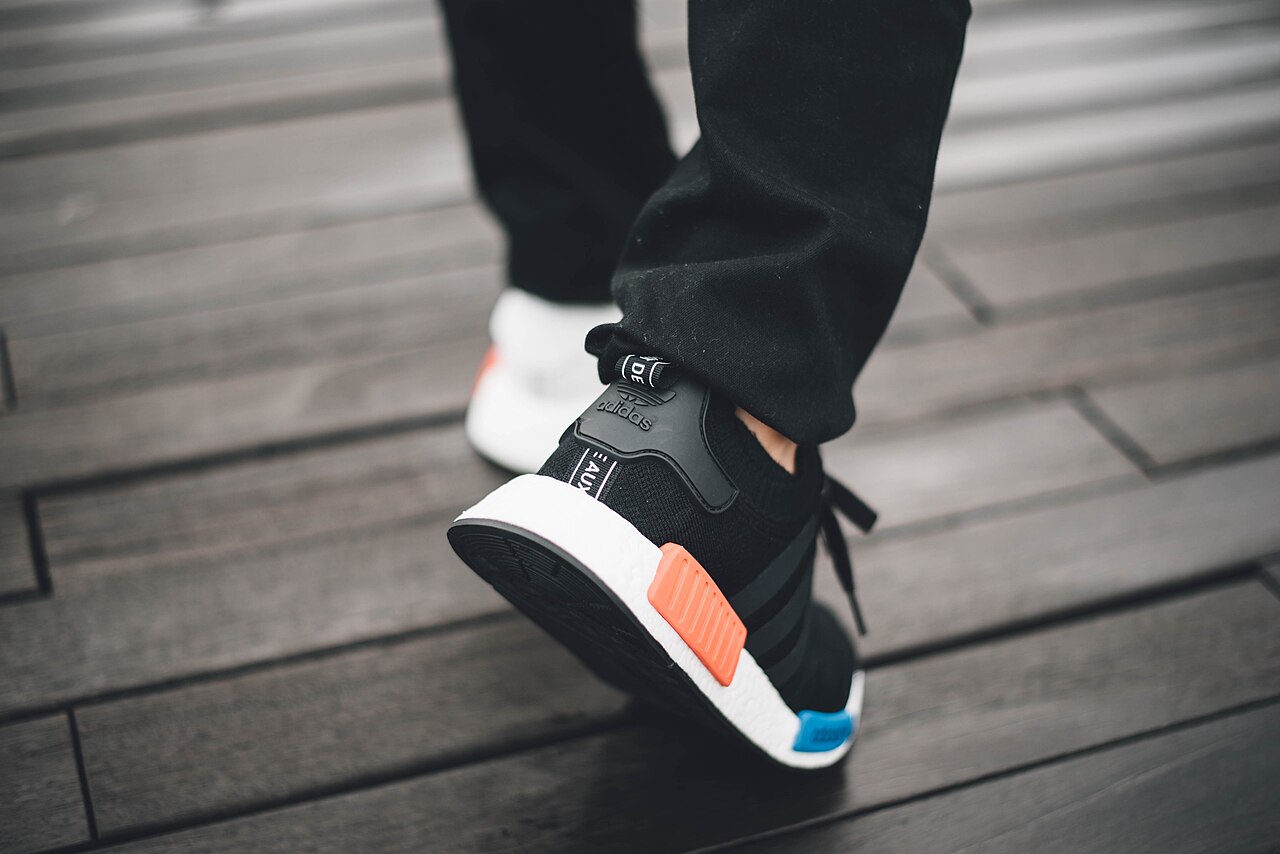
The Fit Question: Heel Hold Without a Heel Counter
Fitting a pair of open back sneakers requires a different method from fitting a laced pair, because the usual test — does the heel lift when you walk — gives a false negative. The heel will always lift slightly; the shoe is designed that way. What you are checking instead is whether the sole stays under your foot as you walk, and whether the strap or band crosses the instep at a point where it can actually grip. If the band sits too far forward, near the toes, it will slide off the moment your foot flexes. If it sits too far back, it will cut into the top of the arch.
Start by measuring at the end of the day, not the morning, since that is when your foot is at its largest. Stand on a piece of paper, mark the longest toe and the back of the heel, and measure the distance. Then measure the widest part across the ball of the foot. Those two numbers tell you more than any size label, because backless designs have no heel counter to compensate for a half-size error. A shoe that is slightly too long will flap; a shoe that is slightly too short will push the toes forward until they overhang the sole. In this category, length accuracy matters more than width. For a deeper walk-through of measurement and break-in, this guide on getting the fit right the first time is worth reading before you order.
Pay attention to the strap system. A single thin elastic band is the least secure option and works only for narrow feet with high arches. A wide leather band with a hidden elastic gusset is far more forgiving. Two straps, or one strap plus a modest vamp, hold best of all and are the version to choose if you plan to walk more than a few blocks. Also check whether the strap is adjustable. Fixed straps look cleaner but cannot be tuned, and a fixed strap that is even five millimeters too loose will make the shoe unwearable on stairs.
Then test the sole. Open back sneakers need a sole stiff enough that it does not fold in the middle when you push off, because a folding sole throws the foot forward against the strap. Grip the shoe at the toe and heel and try to bend it; a good casual pair flexes at the ball of the foot and stays rigid through the midfoot. Finally, check the footbed. Removable insoles are a genuine advantage here, because they let you swap in an arch support without changing the fit of the upper. If the insole is glued down and thin, plan on limited wear time.
One more fit note that rarely gets mentioned: ankle bone height. Because there is no collar, the top edge of the shoe can press directly against the outer ankle bone on some feet. Try the shoe on and rotate your ankle inward and outward. If you feel a hard edge against bone, size up or choose a different last. This is the single most common reason a technically correct size still feels wrong.
Materials That Decide Whether a Pair Survives a Season
Because the heel is unsupported, all the structural work in an open back sneaker happens in the upper and the midsole. That makes material quality far more visible than it would be on a laced shoe. A cheap knit upper will stretch at the strap anchor point within weeks, and once it stretches there is no way to tighten it back. A full-grain leather upper, by contrast, moulds to the instep and holds its shape for years. If you are choosing between two pairs at similar prices, always take the one with the better upper and the plainer sole.
Suede is the most popular choice for this silhouette because it is soft against bare skin and does not need breaking in. It is also the least forgiving in rain. If you live somewhere with wet springs, look for a suede that has been treated, or accept that the shoe is a dry-weather item. Smooth leather is more durable and easier to wipe clean but takes a week or two to soften across the instep. Canvas sits in the middle: breathable, cheap, washable, and prone to fading. Technical knit is the lightest option and the best for heat, but it offers the least structure, so knit versions should always have a reinforced strap.
The lining matters more than shoppers expect. An unlined leather upper feels cool initially but can chafe the instep on the first few wears. A thin, moisture-wicking textile lining is usually the better compromise for sockless wear. Avoid any pair with a stiff synthetic lining that does not breathe, because that combination produces exactly the hot, slippery feeling that makes people give up on backless shoes. For breathability specifically, the same logic that governs open toe sneakers for women applies here: airflow at the extremities does the heavy lifting, and a sealed lining cancels it out.
Check the outsole compound and the stitching, in that order. A blown-rubber or gum sole grips better on smooth floors than a hard injected sole, and grip is critical when the shoe has no heel hold. Stitching around the strap anchor is the highest-stress seam on the whole shoe; look for a double row, or bar tacks at each end. Glue-only construction is fine on a fashion pair worn indoors but will separate quickly under daily outdoor use. Also look at the footbed edge: if you can see the sole layers delaminating on a new pair, the manufacturing tolerances are poor and the shoe will not last.
Finally, consider weight. A pair of open back sneakers that weighs more than about 280 grams per shoe tends to slide, because the upper cannot hold a heavy sole in place when the foot lifts. Light pairs stay put. Heavy pairs need a tighter strap, which defeats the purpose. That relationship between weight and grip is the single most useful thing to understand before buying online.
Styling Open Back Sneakers for Work, Weekends, and Travel
Hem length is the whole game with this shoe. Because there is no heel counter, the back of the ankle stays visible, and that visible gap changes how trousers read. A straight-leg or wide-leg trouser that breaks exactly at the top of the shoe looks deliberate and clean. The same trouser, an inch longer, will drag and catch on the exposed heel. If you want to wear backless sneakers with tailoring, take the trousers to a tailor and have them hemmed to a slight crop. It is a fifteen-dollar alteration that makes a two-hundred-dollar outfit work.
With denim, the safest pairing is a slim or straight ankle-length jean, either cropped or cuffed once. Skinny jeans stacked over the shoe tend to swallow it, and bootcut styles clash with the flat, minimal sole. For a more current look, try a midi skirt with a slightly heavier fabric — denim, wool blend, or cotton twill — since light, floaty fabrics plus a flat backless shoe can tip toward beachwear. If you want to wear a dress, choose one with some structure through the hem and keep the color palette tight: two tones, no more.
Socks are optional but not neutral. Bare feet give the cleanest line and suit warm weather and leather uppers. A thin no-show sock solves the sweaty-foot problem without showing. Ankle socks worn with backless sneakers are a genuinely fashionable choice right now, but they only work if the sock is deliberately visible — a crisp white ribbed crew with a cropped trouser, for example. Half-visible socks that peek out accidentally just look like a laundry mistake. Pick one intention and commit to it.
For work, the boundary is dress code rather than style. In a business-casual office, a leather pair of open back sneakers in black, navy, or bone reads as a clean flat and passes easily with trousers and a knit. In a formal environment it will not pass, no matter the price, because the exposed heel signals leisure. For client-facing days, keep a closed pair under the desk — plenty of ladies do exactly that. It is not a style compromise, it is just logistics.
Travel is where this shoe genuinely shines. Wear the bulkiest pair on the plane — usually the closed sneaker — and pack the backless pair flat in the bottom of the case, where it takes almost no space because there is no heel structure to protect. They work for hotel breakfast, for a museum afternoon, for dinner at a place with a loose dress code, and for the security line on the way home. One pair covers four situations, which is the real reason experienced packers keep buying them.
Open Back vs. Mules, Slip-Ons, and Clogs
Three silhouettes get confused constantly — and when shoppers compare open back sneakers against the alternatives, each one turns out to be a different tool. The mule is a backless shoe with a closed toe, historically a house and boudoir style that moved into mainstream fashion in the twentieth century. It usually has a raised heel or a wedge and reads as dressier than a sneaker. A backless sneaker takes the mule’s open heel and puts it on a flat, athletic sole with a textile or leather upper — less formal, more walkable, more casual in every context.
The slip-on is the closest relative and the most common source of buyer confusion. A true slip-on has a full heel counter and elastic side gores, so it stays on without laces. That means it offers real rear support and can handle a full day of walking. It also means it traps heat at the heel, which is the exact problem the backless design solves. If your priority is support, buy the slip-on. If your priority is airflow, buy the backless pair. Very few shoes deliver both.
Clogs are the third option and the most supportive of the three, with a rigid, often wooden or molded sole and a deep, wide fit. They are excellent for kitchens, gardens, and standing work, and terrible for anything requiring ankle flexibility. A clog will outlast a backless sneaker by years and will never look elegant. That trade is worth naming plainly, because shoppers often buy a backless sneaker hoping for clog-level durability and end up disappointed.
There is also the fold-down hybrid worth flagging again. It markets itself as two shoes in one — a proper sneaker when the heel is up, a backless slip-on when it is down. In practice, the folded heel creates a hard ridge under the foot, the padding compresses unevenly, and the aesthetics suffer at exactly the moment you need them not to. It is a reasonable choice for a commuter who mostly keeps the heel up, and a poor choice for anyone who genuinely wants an open back.
The decision reduces to one question: how long will you be on your feet, and on what surface? Under four hours on flat ground, open back sneakers are comfortable and cool. Over four hours, or on cobblestones and slopes, the slip-on wins. Standing in one place all day, the clog wins. Answer honestly and the choice stops being difficult.
Care and Storage So the Shape Holds
An open-back shoe has no structure to fall back on, so maintenance is not optional the way it can be with a sturdy boot. The two enemies are moisture and gravity. Moisture softens the upper and, over repeated cycles, permanently stretches the strap. Gravity, in the form of careless storage, flattens the toe box and curls the sole edges. Deal with both and the pair will hold its line for several seasons.
After each wear, let the shoes air for at least an hour before they go into a closet. If your feet run warm, sprinkle a little bicarbonate of soda inside, leave it overnight, and shake it out in the morning. Never put a backless sneaker in a washing machine, even a canvas one — the agitation distorts exactly the part of the shoe that has no reinforcement. Spot clean with a soft brush and a small amount of mild soap, working in one direction, and blot rather than scrub on suede.
Drying needs patience. Stuff the toe with unprinted paper — not newspaper, which transfers ink — and leave the pair at room temperature, away from radiators and direct sun. Heat is what shrinks and cracks leather, and it also weakens the adhesive that holds the sole to the upper. A pair dried too fast will look two years older than it is. If the shoes got properly soaked, change the paper after two hours and again after six.
Storage should keep the shape without pressure. A soft cotton dust bag is better than a shoe box, because a box holds moisture against the leather. If you stack pairs, stack them toe to heel rather than sole to sole, and never put anything on top of an open back sneaker. For leather versions, a light conditioning twice a year is enough; for suede, a protective spray at the start of each season and a brass brush to lift flattened nap. Rotate at least two pairs if you wear them often. Shoes recover in twenty-four hours in a way they never do in six.
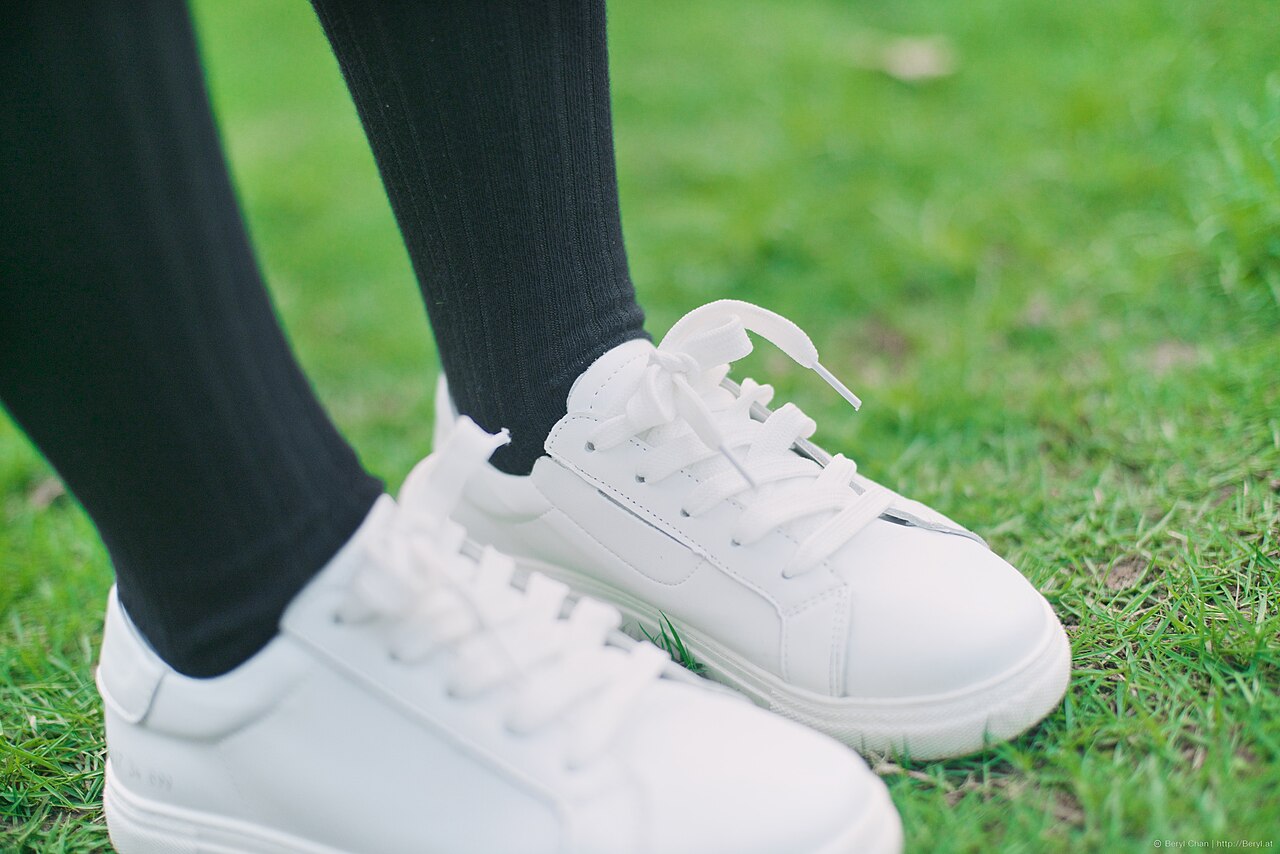
Who Should Skip Them, and What to Buy Instead
Honesty is more useful than enthusiasm here, so: this is not a shoe for everyone. If you have plantar fasciitis or heel spurs, a backless sneaker gives up the exact structure that keeps your arch supported during push-off, and no insole fully compensates. If you pronate heavily, the lack of a heel counter means nothing controls the rear of the foot. If you walk more than five kilometers a day on hard pavement, a proper walking shoe will serve you better in every measurable way. These are not style opinions; they are structural facts about the design.
Skip them too if your daily route involves stairs, uneven pavers, or wet floors. Backless shoes rely on a slight backward grip from the heel, and on stairs that grip disappears exactly when you need it. Driving is another genuine no: a shoe that can slide off the heel is a safety problem on the pedals, and most driving instructors will tell you the same. And if your workplace has a formal dress code, no amount of good leather will make an exposed heel appropriate.
What to buy instead depends on which benefit you were chasing. If you wanted breathability, a mesh or knit slip-on with a full counter gives you airflow plus support. If you wanted easy on-and-off, an elastic-gore slip-on or a chelsea boot solves it. If you wanted the visual lightness of a low-cut line at the ankle, a low-profile lace-up in a light color achieves most of the same effect. And if you genuinely wanted a backless shoe for warm weather and short trips, buy the best leather pair you can afford and treat it as a summer tool rather than an everyday shoe.
For the ladies who fit the use case, though, the category is quietly excellent. Open back sneakers worn through airport terminals, school pickups, weekend markets, and long lunches do one thing better than almost any other shoe: they let the foot be a foot. No pressure point at the heel, no laces to retie, no heat trapped against the ankle. Buy for that specific pleasure, size them carefully, keep them dry, and they will be the pair you reach for without thinking — which is, in the end, the only endorsement that matters.
