

Step Into Comfort and Style with Vionic Walking Shoes
For years, I chased the perfect walking shoe. I tried countless brands, seduced by sleek designs or aggressive marketing, only to be met with aching arches, tired knees, and the sinking realization that my feet were paying the price for style. It felt like an unsolvable equation: true comfort and enduring support seemed mutually exclusive from aesthetic appeal. That relentless search ended when I discovered the world of biomechanically engineered footwear, specifically the category where Vionic walking shoes have carved their niche. This isn’t merely about putting on a pair of shoes; it’s about understanding the foundation of your movement and how the right technology can transform a daily chore into a source of vitality. The journey from foot pain to effortless stride is rooted in science, not just supple leather, and it begins with a fundamental re-evaluation of what we expect from our footwear.
The Unseen Architecture: Why Your Feet Deserve More Than Cushioning
Most conventional walking shoes operate on a principle of simple cushioning. They provide a soft layer between your foot and the ground, which feels good initially but often fails to address the underlying mechanics of your gait. The human foot is a marvel of engineering—a complex structure of 26 bones, 33 joints, and over 100 muscles, tendons, and ligaments. According to biomechanics literature from institutions like the University of Calgary’s Human Performance Lab, the foot’s primary functions are shock absorption, adaptation to terrain, and providing a rigid lever for propulsion. When a shoe is too soft or lacks structured support, it can allow for excessive pronation (inward rolling) or supination (outward rolling), disrupting the kinetic chain from your ankles to your knees, hips, and even your lower back. This is where the concept of “orthotic technology” becomes critical. Unlike generic, flimsy insoles, biomechanically designed orthotics are built to restore natural alignment. As Dr. Andrew Shapiro, a prominent podiatrist, has stated in various health forums, “Proper alignment is not a luxury; it’s a necessity for efficient, pain-free movement. A shoe with built-in orthotic support works proactively to guide the foot, rather than reactively trying to cushion a misaligned step.” This scientific perspective shifts the goal from mere comfort to sustainable foot health, a principle at the core of the Vionic walking shoe design philosophy.

Decoding the Vionic Difference: Biomechanics Meets Craftsmanship
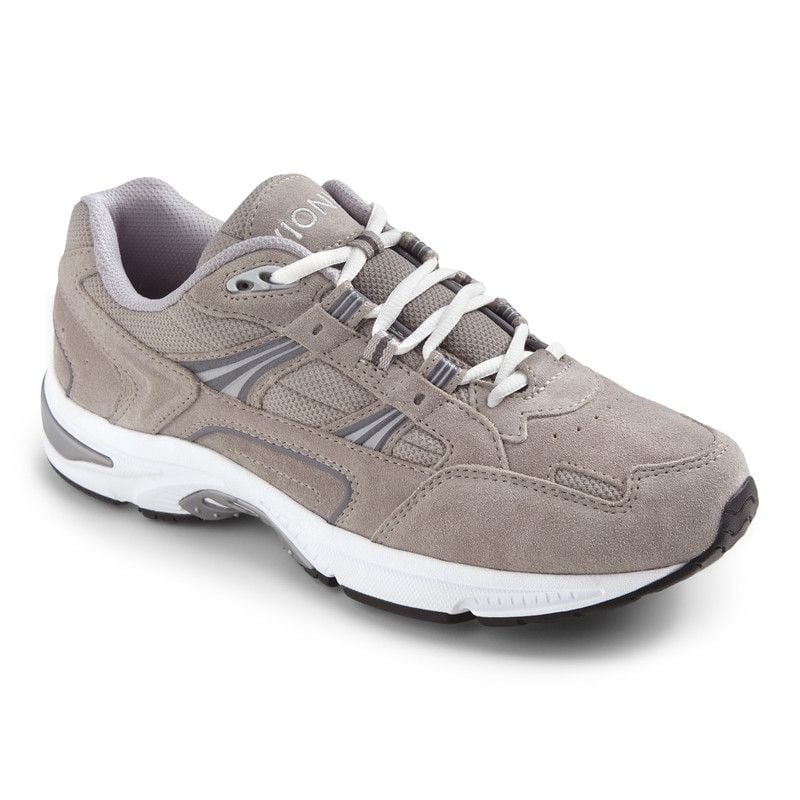
So, what sets a Vionic walking shoe apart? The answer lies in its foundational element: the proprietary Vio-Motion Support™ orthotic footbed. This isn’t an afterthought; it’s the engineered heart of the shoe. Developed with input from podiatrists, it features a deep heel cup to stabilize the rearfoot, a contoured arch support that cradles the medial longitudinal arch (the primary shock absorber of the foot), and a forefoot ramp that encourages a natural toe-off. This tri-planar motion control is designed to mimic the foot’s ideal positioning during the gait cycle. The science behind this is supported by principles found on authoritative medical websites like PubMed, which catalog studies on the efficacy of orthotic interventions for plantar fasciitis and overpronation. But technology alone isn’t enough. The construction of the upper matters immensely. Many Vionic styles utilize premium, breathable materials like full-grain leather and flexible knit fabrics that conform to the foot without constriction. The outsoles are crafted from durable, lightweight rubber with strategic flex grooves, allowing for natural foot movement while providing essential traction. This harmonious blend of rigid support in the right places and flexible comfort in others is the alchemy that defines the experience. It’s the difference between walking on a shoe and walking with it, as if it were a natural extension of your body.
From Clinic to Sidewalk: The Evolution of an Everyday Essential
The genesis of Vionic is rooted in clinical necessity. The brand’s origins trace back to a podiatrist’s clinic, where the founders witnessed firsthand the limitations of both purely fashionable footwear and clunky, medical-grade orthotic devices. Their mission was to bridge that gap—to translate clinical-grade biomechanical support into shoes people would actually want to wear every day. This ethos resonates with a broader trend discussed on platforms like Quora and industry blogs, where consumers increasingly demand “wellness wearables” that are both functional and stylish. It’s a narrative seen in other sectors, like the evolution of ergonomic office chairs from utilitarian eyesores to design-forward furniture. Vionic undertook a similar transformation. They didn’t invent the principle of orthotic support; they democratized and designed it. By embedding their podiatrist-designed technology into a wide array of styles—from athletic walkers and sleek sneakers to casual sandals and professional flats—they made biomechanical health accessible. This transition from a clinical tool to a lifestyle staple is a testament to the brand’s understanding that for health-conscious habits to stick, they must be seamlessly integrated into one’s personal style and daily routine, not stand apart from it.
Style Uncompromised: Proving Support Doesn’t Mean Sacrifice
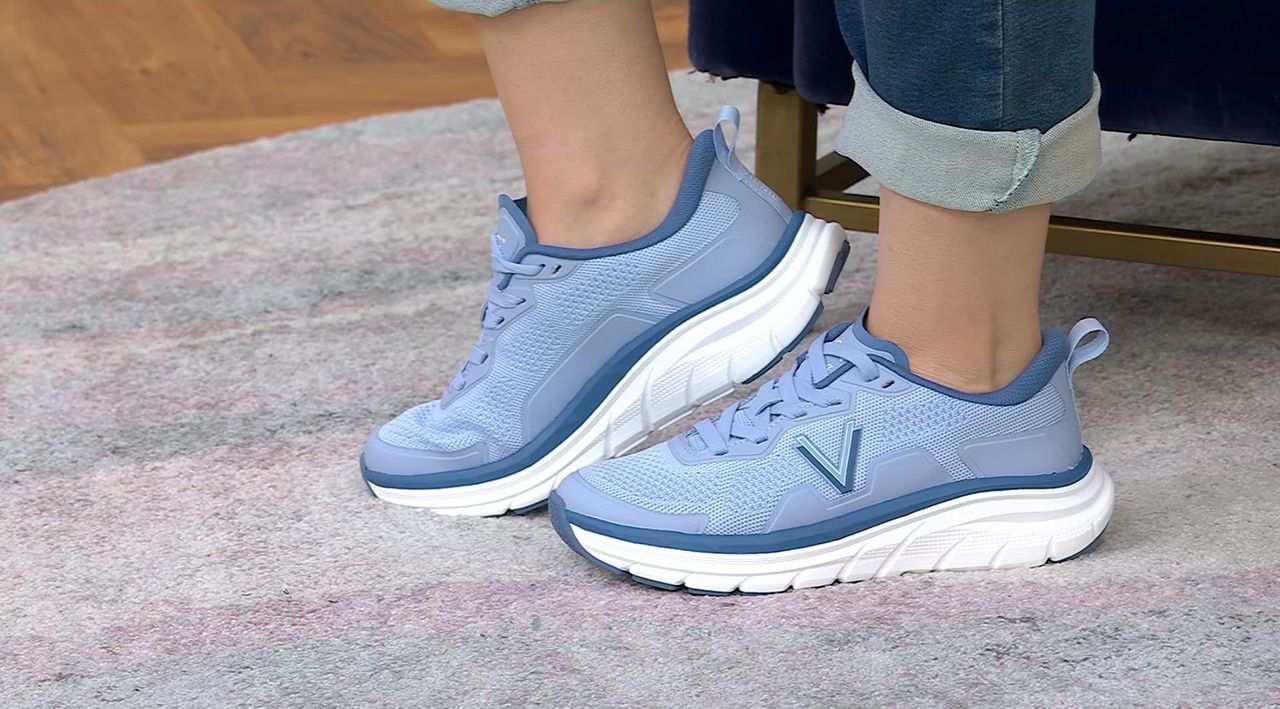
Let’s address the elephant in the room: the historical reputation of “comfort shoes” as being, frankly, unfashionable. For decades, the market presented a false dichotomy. You could either have shoes that looked great or shoes that felt great. Vionic, and a new wave of biomechanical brands, have forcefully dismantled this notion. The modern Vionic walking shoe collection showcases designs that rival mainstream fashion labels. You’ll find elegant ballet flats with hidden arch support, contemporary sneakers in on-trend color-blocking, and versatile loafers that would be at home in a boardroom or a café. This design-forward approach is crucial because it removes the psychological barrier to entry. As fashion icon and businesswoman Iris Apfel once quipped, “Fashion you can buy, but style you possess.” Vionic provides the foundation—the support—upon which you build your personal style. You are no longer forced to choose between looking polished and feeling energized. This alignment of form and function is a powerful statement: caring for your body is inherently stylish. It reflects a mature understanding of wellness, where self-care is woven into the fabric of your daily aesthetic choices, not relegated to the gym or the doctor’s office.
The Long Walk: Investment in Long-Term Wellbeing
Purchasing a pair of Vionics is often perceived through the lens of an investment, and rightly so. While the initial price point may be higher than a generic department store shoe, the value calculus extends far beyond the first wear. Consider the cost of chronic foot pain: doctor visits, physical therapy sessions, custom orthotics, and the lost productivity and joy from activities you avoid. A biomechanically sound shoe acts as a preventive measure. By promoting proper alignment with every step, it reduces the cumulative stress on joints and soft tissues. This isn’t just theoretical; it’s a principle echoed by fitness experts on platforms like YouTube, where trainers like Joe Holder emphasize that “movement nutrition” starts from the ground up. The durability of the construction also plays a role. The use of high-quality materials and solid craftsmanship means these shoes are built to last, maintaining their supportive structure long after a cheaper shoe would have broken down and lost its shape. When viewed through this holistic lens—as an investment in your mobility, comfort, and long-term physical health—the value proposition of a Vionic walking shoe becomes clear. It’s an investment in your future self, ensuring that your passion for exploration, whether it’s traveling a new city or simply enjoying a daily neighborhood stroll, remains undiminished by discomfort.
A Note on Accessibility: Bringing Expertise and Value to You
Understanding the science and appreciating the design is one thing; accessing it is another. We believe that professional-grade comfort should not be gatekept by prohibitive pricing. While the technology and materials command a certain value, we are committed to bringing this expertise to you at the most accessible points possible. This means consistently offering a range of styles to suit different budgets and actively providing discounted prices through seasonal sales, bundle offers, and special promotions. Our goal is to ensure that the barrier to experiencing biomechanically intelligent footwear is as low as possible. By partnering with authorized retailers and maintaining a direct-to-consumer channel, we can control quality while managing costs effectively. Think of it not as a simple transaction, but as gaining a long-term partner in your foot health. You’re not just buying a product; you’re gaining access to years of podiatric research and design innovation, now available at a value that makes prioritizing your well-being a practical, everyday decision.

The search for the perfect walking shoe ends not with a compromise, but with a revelation. It reveals that the highest form of style is the confidence that comes from unwavering comfort, and that true comfort is a science of support, not just a feeling of softness. Vionic walking shoes embody this synthesis. They stand as a testament to the idea that you can walk through your day—and through life—without surrendering one iota of style for support, or one degree of support for style. The path forward is clear, stable, and beautifully designed. All that remains is to take the first step.
