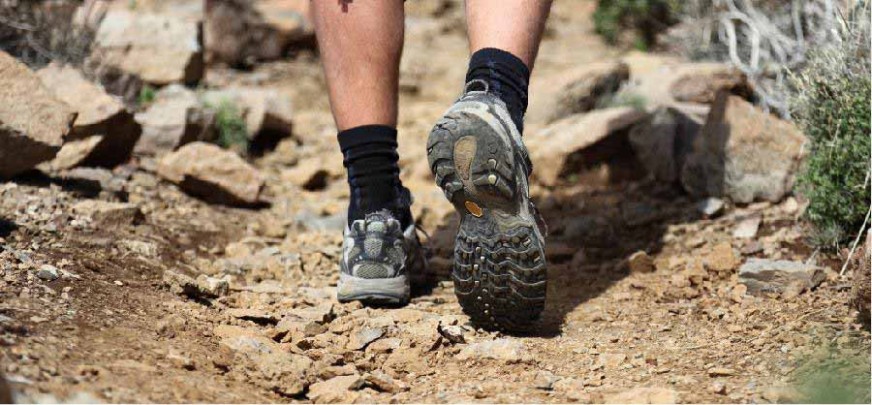
The Walking Shoe: Your Ultimate Guide to Comfort and Style
Let’s be honest: the right shoe can transform your day. It’s not just about covering your feet; it’s about empowering every step you take, whether you’re navigating city streets, exploring nature trails, or simply managing the daily marathon of errands and commitments. The quest for the perfect walking shoe is a pursuit of harmony—a balance where unwavering comfort meets personal expression. This isn’t about following fleeting fashion trends that leave your feet aching, nor is it about settling for purely functional designs that lack any spark of personality. We are talking about a foundational piece of your wardrobe that supports your physical well-being and complements your individual style. Forget the notion that you must sacrifice one for the other. The modern walking shoe is a triumph of design and engineering, proving that you can, and should, have both. This guide is your roadmap to finding that ideal pair, blending objective science with subjective style to help you make an informed choice that your feet—and your closet—will thank you for.
The Anatomy of Comfort: It’s More Than Just Softness
When we speak of comfort in a walking shoe, it’s a multifaceted concept far beyond a plush insole. True comfort is structural, providing dynamic support that adapts to your unique biomechanics. It begins with the midsole, often crafted from materials like EVA (ethylene-vinyl acetate) or polyurethane. According to biomechanics literature from institutions like the University of Calgary’s Human Performance Laboratory, the midsole’s primary role is to attenuate shock—the ground reaction forces that travel up your skeleton with each step. A shoe that’s too soft may feel good initially but can lack the necessary stability, leading to muscle fatigue. Conversely, a too-firm midsole fails to cushion adequately. The key is a balanced “ride.” The outsole’s tread pattern and rubber compound are equally critical for grip and durability, preventing slips and providing a stable platform. The upper must offer a secure, glove-like fit without pressure points, utilizing breathable meshes to manage moisture and temperature. As Dr. Casey Kerrigan, a former Harvard Medical School professor and founder of a footwear science company, has often stated in interviews, “The goal is to allow the foot to function as naturally as possible while providing protection from the environment.” This scientific approach to design ensures that comfort is not a passive feeling but an active support system for your body’s mechanics.
:max_bytes(150000):strip_icc()/when-should-i-replace-my-walking-shoes-3436325-0801-7a1840d83573471092e0380f9e230ecc.jpg)
Style as Self-Expression: Walking with Confidence
To dismiss style as mere vanity is to underestimate its power. What you wear on your feet communicates a message about who you are and how you approach the world. A well-chosen walking shoe can elevate a simple outfit, inject color into a neutral palette, or project an image of polished readiness. The evolution of athletic and casual footwear design, heavily influenced by streetwear culture and high-fashion collaborations, has demolished the old barriers. You now have a spectrum ranging from minimalist, sleek sneakers that wouldn’t look out of place in a creative studio to robust, tech-inspired shoes that hint at adventure. This variety allows you to align your footwear with your personal narrative. Are you a modernist who appreciates clean lines and monochromatic schemes? Or perhaps a classicist drawn to timeless leather trainers? The choice is a form of non-verbal communication. As fashion historian and author of “Shoes: A History from Sandals to Sneakers,” Giorgio Riello, notes, footwear has always been a profound social signifier. Today, the stylish walking shoe signifies an active, intentional lifestyle—one that values both aesthetics and well-being. It’s about feeling confident from the ground up, knowing your shoes look as good as they feel.
The Convergence Point: Where Engineering Meets Design
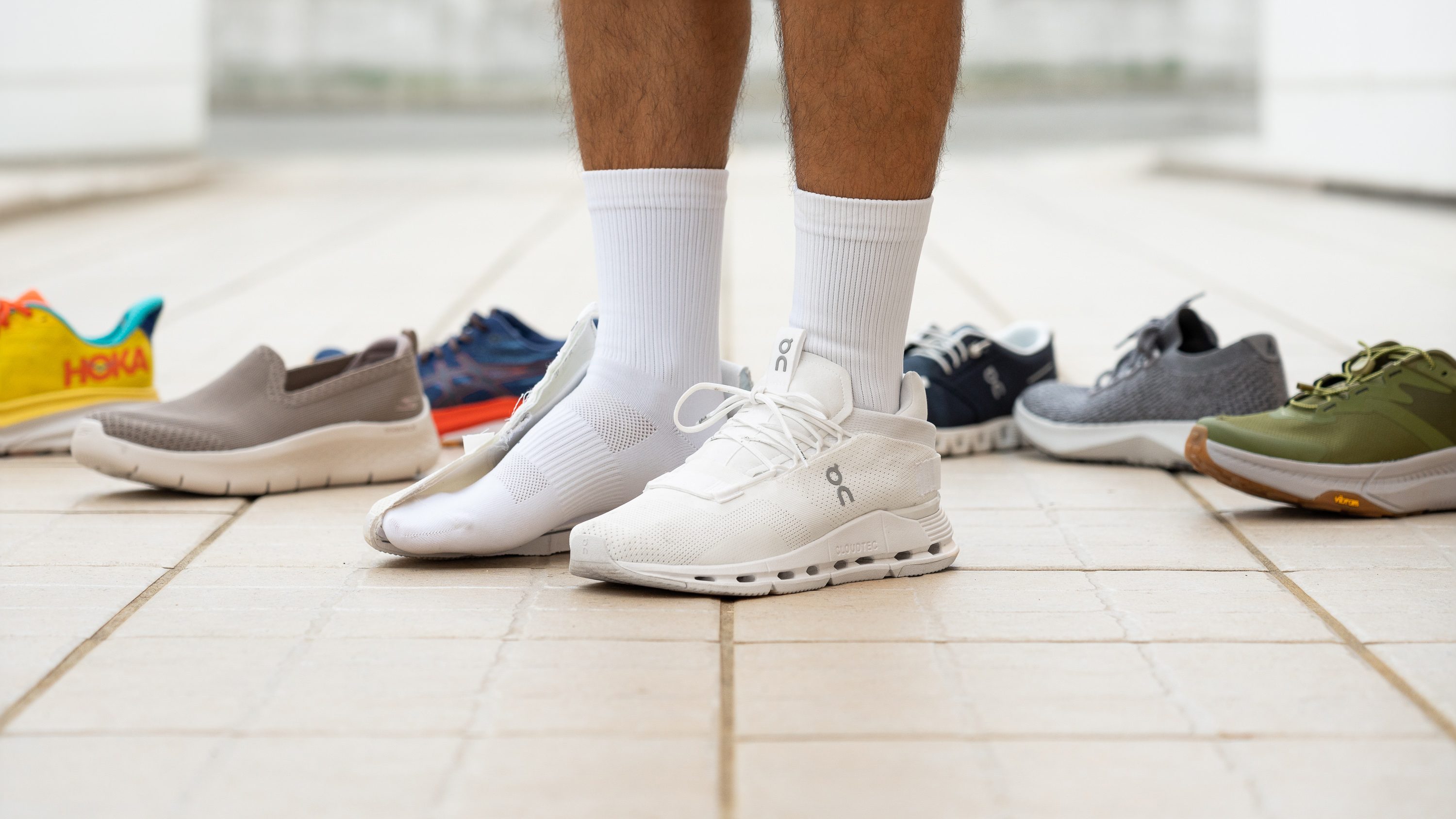
The magic happens at the intersection. Leading footwear brands invest heavily in research and development labs where material scientists, biomechanists, and designers collaborate. The result is technologies that are both functional and visually integrated. For instance, a supportive arch system might be crafted from a translucent thermoplastic that becomes a design highlight. A responsive cushioning foam might be exposed in the midsole in a signature color, becoming a badge of the shoe’s performance heritage. This convergence is evident in brands like HOKA, known for its maximalist cushioning that has become a distinct aesthetic, or On Running, with its patented CloudTec® cushioning system that is as visually recognizable as it is mechanically effective. The viewpoint from authoritative review sites like RunRepeat consistently highlights that top-rated shoes succeed by making their performance features part of their visual identity. You are not wearing a piece of medical equipment; you are wearing a product of sophisticated design thinking. The engineering is not hidden; it is celebrated, allowing you to benefit from cutting-edge comfort without compromising on a contemporary look.
Making the Smart Choice: A Buyer’s Considerations
Armed with the knowledge that excellence in both domains is possible, how do you navigate the market? First, identify your primary use-case. A shoe for long, paved-path walks will have different needs than one for mixed-terrain hikes or all-day wear on hard museum floors. Second, understand your foot type. The simple “wet test” (checking your footprint on a dry surface after stepping out of water) can indicate if you have a high, neutral, or low arch, guiding you toward appropriate support levels. Third, prioritize fit above all. Renowned running coach and author Hal Higdon has famously advised, “Don’t buy shoes based on size. Buy shoes based on fit.” This means trying on shoes in the afternoon when feet are naturally slightly swollen, ensuring a thumb’s width of space in front of your longest toe, and checking for a secure heel lock. Finally, examine the construction. Look for seamless linings to prevent blisters, quality materials that promise durability, and a flexible forefoot that allows your foot to bend naturally. This deliberate selection process moves you beyond impulse buying and toward a considered investment in your daily comfort.
The Value Proposition: Quality as an Investment
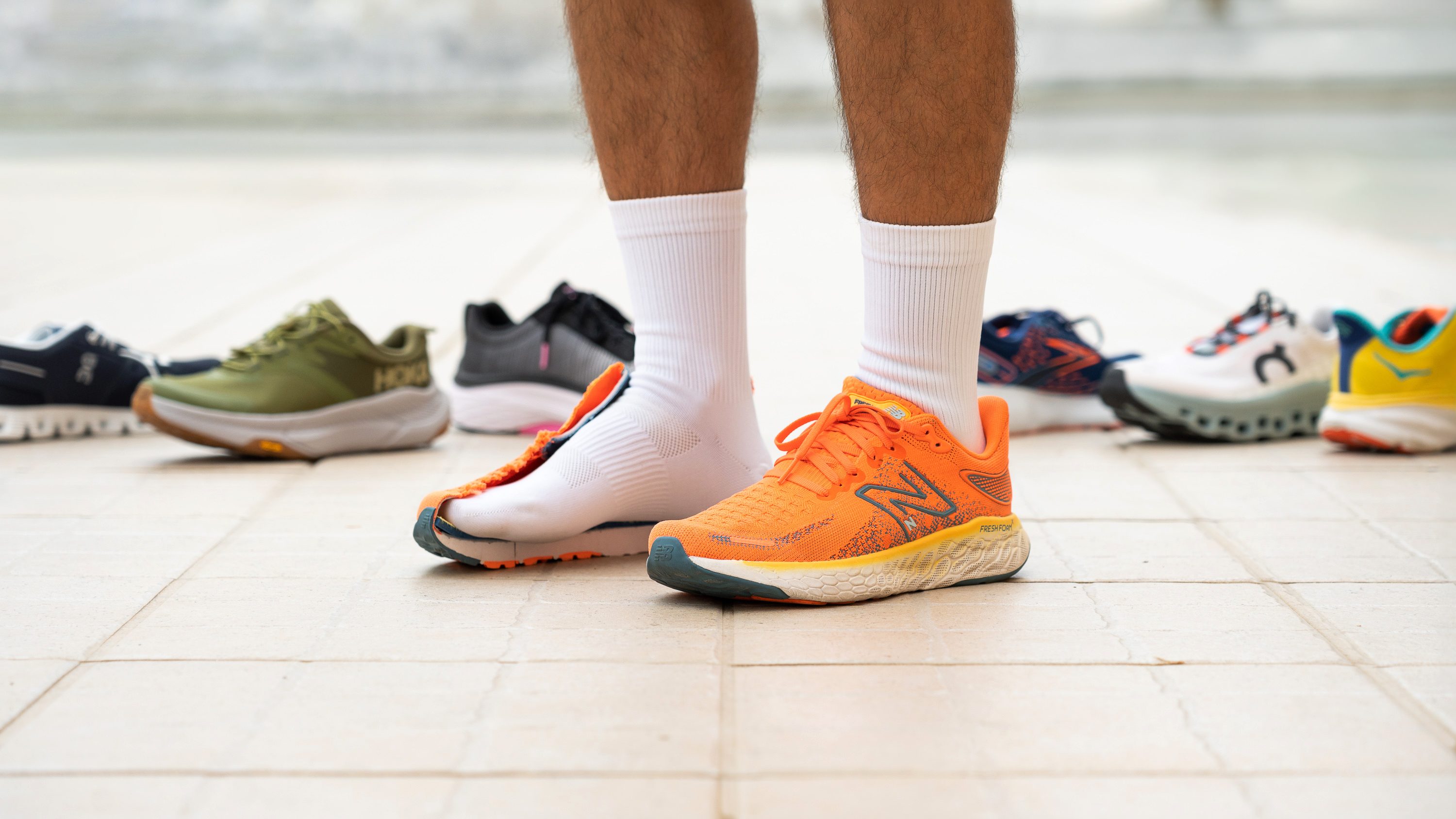
It’s tempting to seek the lowest price, but with footwear, cost often correlates with the quality of materials, construction techniques, and proprietary technology. A cheaper shoe may use lower-density foams that compact quickly, losing their cushioning within a few months. Its outsole rubber may be less durable, and its seams may fray. Investing in a well-constructed walking shoe from a reputable brand is an investment in your musculoskeletal health and long-term satisfaction. The cost-per-wear over the shoe’s lifespan often makes it a more economical choice than cycling through multiple pairs of inferior shoes. Furthermore, the market offers tremendous value through seasonal sales, outlet stores, and reputable online retailers. By knowing the key features you need—be it a specific stability technology, a preferred cushioning level, or a trusted brand’s fit—you can confidently seek out these models when they are discounted. This approach brings professional-grade knowledge to your purchasing decision, allowing you to access premium comfort and style at an accessible price point, maximizing the return on every step you take.
A Step Forward: Integrating Your Ideal Pair
The journey culminates not just in a purchase, but in an experience. The right shoes become a seamless extension of yourself, forgotten on your feet because they cause no distraction, yet remembered by your spirit because they make you feel prepared and polished. They are the tool that encourages you to take the longer, scenic route home, to add an extra loop to your park walk, or to stand a little taller during a busy day. This integration of comfort and style is the new standard, a non-negotiable for the discerning individual who views daily movement as an essential part of a vibrant life. It’s a declaration that you refuse to compartmentalize performance and appearance. So, step forward. Seek out that perfect synthesis. Let your next pair of walking shoes be a testament to the fact that in the rhythm of your daily life, you deserve nothing less than a foundation that is both profoundly supportive and authentically you.