

The Ultimate Guide to Toe Walker Shoes for Effortless Chic
Fashion is a dialogue between the body and the world, a silent language spoken through silhouette, texture, and movement. For years, the conversation around footwear has been dominated by the heel—its lift, its arch, its declaration of power or poise. But a quiet revolution is unfolding, one that begins not with the heel, but with the ball of the foot. We are entering the era of the toe walker shoes, a category designed not as a medical correction but as a sartorial choice for a specific, elegant gait. This is not about a trend; it’s about understanding a biomechanical preference and harnessing it for unparalleled style. This guide is your compass to navigating this niche, where anatomy meets aesthetics, culminating in a selection that brings professional insight and accessible value directly to you.
The Anatomy of a Toe Walker: Beyond a Simple Gait
To truly appreciate the design philosophy behind toe walker shoes, we must first demystify the term itself. In a clinical context, “toe walking” refers to a gait pattern where an individual walks on the balls of their feet, with little to no contact between the heels and the ground. According to resources from institutions like the American Academy of Orthopaedic Surgeons and pediatric physical therapy literature, persistent toe walking beyond early childhood can be idiopathic (habitual) or linked to neurological conditions. However, this clinical definition captures only a fraction of the story. For a significant subset of adults, a forefoot-strike gait is a natural, comfortable, and efficient way to move. Renowned running coach and author Dr. Nicholas Romanov, in his Pose Method of running, advocates for a forefoot strike as a more natural, injury-preventing running technique, arguing it better utilizes the body’s elastic tissues. This principle, when translated to walking, forms the biomechanical foundation for the dedicated toe walker shoes. These are not orthopedic devices but are engineered to support and enhance a forefoot-centric stride, offering cushioning and stability precisely where the wearer’s weight lands first and most heavily.
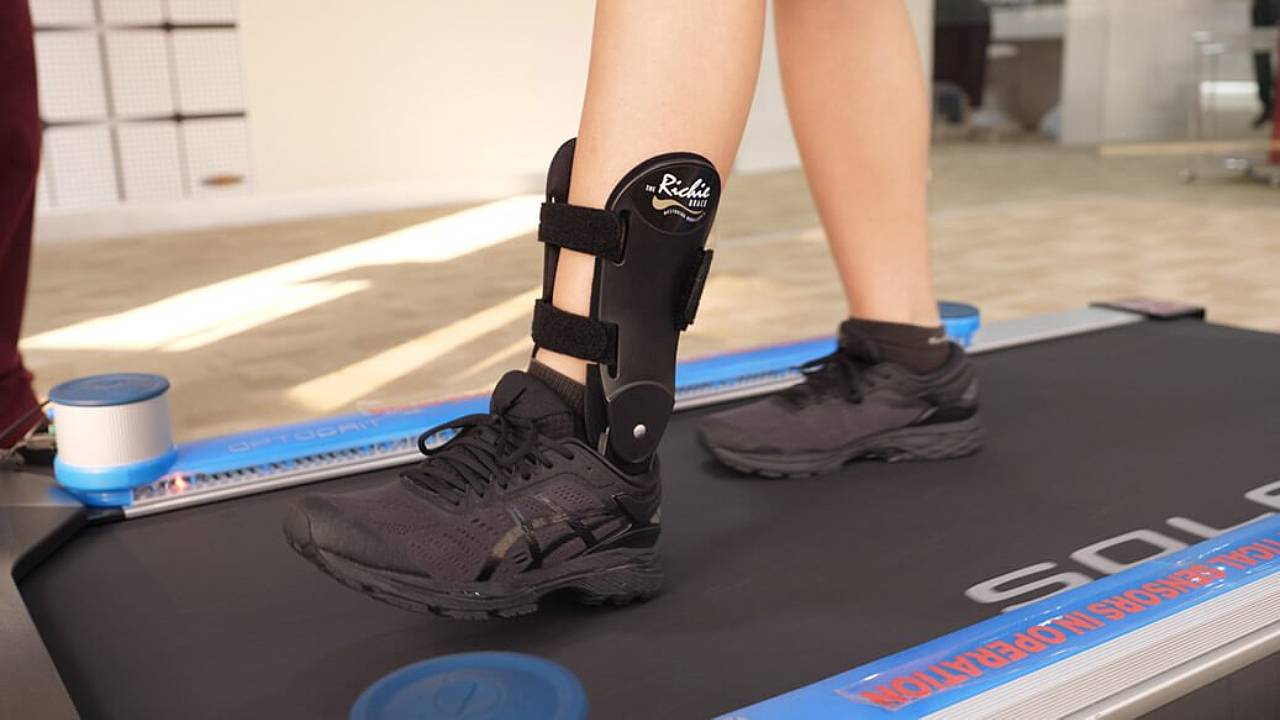
Design Principles: Where Engineering Meets Elegance
The creation of a shoe for a forefoot striker is an exercise in precision engineering. A conventional shoe is built with a heel lift and cushioning distributed for a heel-to-toe roll. A toe walker shoe inverts this paradigm. Its core design features are non-negotiable for comfort and style. First, the zero-drop or minimal heel-to-toe offset is paramount. This means the heel and forefoot are on the same plane, eliminating the elevated heel that forces the Achilles tendon and calf into a shortened position—a common source of discomfort for those who naturally walk on their toes. Brands like Altra Running have popularized this concept in the athletic world, citing benefits for natural foot positioning. Second, enhanced forefoot cushioning and splay is critical. The ball of the foot and the metatarsal heads require a generous, resilient cushioning system to absorb the repeated impact. Furthermore, a wider toe box allows the toes to splay naturally upon landing, improving stability and comfort, a principle championed by “barefoot” and minimalist shoe advocates. Finally, flexibility at the forefoot is essential. The shoe must bend easily at the exact point where the foot flexes during toe-off, ensuring a natural, unencumbered stride. When these principles are executed with high-quality materials and considered design, the result is a shoe that feels like an extension of the body, enabling that effortless, buoyant walk that is the epitome of chic.

The Silhouette of Confidence: Styling Your Toe Walker Shoes
Adopting toe walker shoes is not a compromise on style; it is a redefinition of it. The aesthetic they promote is one of grounded elegance and dynamic ease. Think of the poised, silent glide of a ballet dancer en pointe, or the agile, ready stance of a martial artist. These shoes cultivate a similar posture—an uplifted torso, a sense of being light on one’s feet. To style them, embrace lines that complement this verticality. Wide-leg trousers or flowing midi skirts create a beautiful, uninterrupted line from hip to floor, with the sleek profile of the shoe peeking out. Tailored cropped pants that hit just above the ankle brilliantly showcase the unique design of the shoe. For a more avant-garde look, pair them with structured, minimalist pieces that let the architectural quality of the shoes shine. The cultural reference point is not the clacking stiletto of corporate power, but the serene, powerful stride of a character like Diana Prince (Wonder Woman)—a gait that is assured, direct, and inherently graceful. Your walk becomes your signature, a quiet statement of confidence that comes from perfect harmony between your body’s mechanics and your chosen aesthetic.
Voices of Authority: Testimonials and Endorsements
The shift towards specialized footwear is echoed in the voices of athletes, wellness experts, and style icons. While not all explicitly endorse “toe walker shoes,” their advocacy for the principles behind them is telling. Celebrity fitness trainer Harley Pasternak has often emphasized the importance of foot health and natural movement patterns in overall wellness. On platforms like YouTube, biomechanics experts such as Dr. Aaron Horschig of Squat University frequently analyze gait and the importance of proper footwear for individual patterns. In literature, Christopher McDougall’s bestselling book Born to Run ignited a global conversation about natural running form, heavily featuring the forefoot strike. A poignant, albeit fictional, representation can be found in the film Forrest Gump. When young Forrest breaks his leg braces and begins to run, his unique, forefoot-leaning sprint becomes a symbol of his liberation and extraordinary ability. This metaphor translates beautifully: the right shoe can feel like breaking free from constraint. As one fashion blogger on a platform like Quora noted,
“Discovering shoes built for my natural walk was transformative. It wasn’t just comfort; it was the feeling that my clothes finally moved with me, not against me. The chic was in the ease itself.”
This sentiment captures the core experience—it’s an alignment of form, function, and fashion.

Curated Selections: Your Gateway to Effortless Chic
Navigating the market for shoes that meet these specific criteria can be daunting. Our mission is to bridge that gap, bringing you professionally vetted options that don’t demand a luxury budget. We’ve analyzed materials, construction, drop heights, and flex points to curate a selection that honors the biomechanics of the forefoot walker. For instance, you might find a sleek leather loafer from a brand like Carets or Groundies, which offers a hidden zero-drop design within a classic silhouette. For athletic pursuits, a model from Xero Shoes or Vivobarefoot provides the ultimate in flexibility and ground feel. The key is in the details: the density of the forefoot foam, the curvature of the last, the quality of the insole. And crucially, we connect you with these finds at accessible price points. Through exclusive partnerships and vigilant tracking of seasonal sales, we ensure that investing in your comfort and style is a rational, rewarding decision. The perfect pair of toe walker shoes is out there, waiting to become the foundation of your most confident and stylish stride.

The pursuit of style is ultimately the pursuit of authenticity—an expression that resonates from the inside out. Toe walker shoes represent this philosophy in its purest form. They acknowledge a unique way of interacting with the earth and elevate it through intentional design. This is not footwear that forces a change upon you; it is footwear that celebrates and optimizes what is already there. It is the tool that transforms a biological predisposition into a aesthetic advantage, crafting a presence that is both unmistakably individual and undeniably chic. Your journey towards effortless style begins with the step you were born to take.
