

Elevate Your Style with Booties Heels for Every Season
Footwear is more than a practical necessity; it is a foundational element of personal expression and style. Among the vast array of choices, one category consistently proves its versatility and power to transform an outfit: the booties heels. This isn’t about fleeting trends but about understanding a design that harmonizes structure, elevation, and adaptability. From the crisp air of autumn to the blossoming days of spring, and even through curated winter and summer moments, a well-chosen pair of booties heels serves as a reliable sartorial anchor. They offer a unique synthesis of the ankle boot’s coverage and support with the leg-lengthening, posture-enhancing grace of a heel. This article delves into the objective reasons behind their perennial appeal, providing a scientific and cultural lens through which to view their function in a modern wardrobe, while also bringing professional knowledge on selection and value to your fashion journey.
The Anatomical and Psychological Foundation of the Heel
To appreciate the booties heels, one must first understand the universal impact of the heel itself. Objectively, the biomechanics of wearing heels involve a shift in the body’s center of gravity. According to research often cited in podiatric literature, this shift causes the wearer to straighten their posture, tighten calf muscles, and alter their gait into a more deliberate, often perceived as more graceful, movement. This isn’t merely subjective opinion; it’s a measurable physical adjustment. From a psychological perspective, the concept of “enclothed cognition,” studied by institutions like Northwestern University, suggests that the clothes we wear systematically influence our psychological processes. Heels, in particular, have been linked in social psychology studies to perceptions of increased authority, confidence, and professionalism. As fashion historian Caroline Cox notes in her writings, heels have historically been associated with status and power, transcending gender norms. When this powerful form is combined with the ankle-encompassing design of a bootie, it creates a shoe that offers not just a physical lift but a psychological fortress—a feeling of being grounded yet elevated, protected yet poised. The enclosed nature of the bootie provides a sense of security and structure that a pump or sandal cannot, making the elevation of the heel feel more stable and intentional, a fact any wearer can attest to after a long day on their feet in the right pair.

Autumn’s Signature: Structure Meets Transitional Fashion
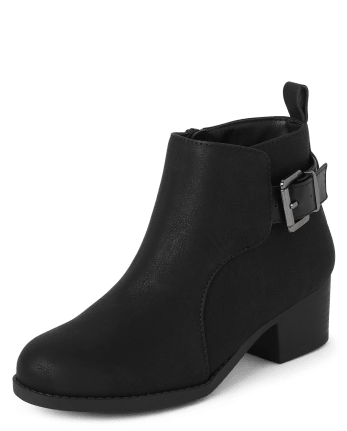
Autumn is the natural habitat of the booties heels. As temperatures dip and layers become essential, this footwear excels in bridging the gap between summer’s lightness and winter’s bulk. Scientifically, the ankle coverage provides crucial thermal regulation, protecting a key joint while allowing for breathability compared to taller boots. From a style perspective, they create a flawless sartorial equation. Consider the visual balance: a pair of sleek, black leather booties heels paired with a flowing midi dress and a tailored coat. The heel adds femininity and lift, counteracting any heaviness from the layers, while the bootie structure anchors the ensemble, connecting it to the earthy, robust feel of the season. Fashion platforms like Vogue and Harper’s Bazaar consistently highlight booties as autumn essentials because they possess what stylists call “transitional weight”—they are substantial enough to pair with denim, wool, and tweed but refined enough to avoid a clunky appearance. The heel height can vary from a sturdy block, ideal for navigating fallen leaves on city streets, to a sharper stiletto for evening affairs. This versatility is not anecdotal; it’s observable in street style photography from fashion capitals worldwide, where the bootie is a recurring protagonist in the autumn narrative. It solves the practical problem of changing weather while answering the aesthetic need for sophistication and edge.
Winter Warriors: Practicality Without Sacrificing Silhouette
While deep snow calls for functional gear, the urban winter landscape is perfectly navigable—and stylishly so—with the right booties heels. The key lies in material science and design intelligence. Options crafted in water-resistant suedes, treated leathers, or with synthetic weatherproof membranes offer protection against slush and rain. A stacked wooden or rubber heel provides significantly better traction and stability on potentially slick surfaces compared to a flat sole, distributing weight more evenly and reducing the risk of slips—a principle rooted in physics and footwear engineering. From a style standpoint, they prevent the “shoe-bag gap” that occurs with pants and shorter boots, ensuring a clean, continuous line from leg to foot. Imagine a pair of sock-style booties heels in a rich charcoal grey, worn with slim-fit trousers and a chunky knit sweater. The heel maintains a slender, elongated silhouette that bulky snow boots cannot, preserving a sense of polish even under a heavy parka. As style authority Tim Gunn often emphasized, it’s about “making it work,” and the winter bootie does precisely that. It negotiates the compromise between warmth and style, offering a solution that respects both the climate and the wearer’s desire to look put-together. Brands specializing in technical fashion often highlight these hybrid qualities, proving that practicality and aesthetics are not mutually exclusive but can be engineered into a single, powerful product.
The Unexpected Warm-Weather Companion
It may seem counterintuitive, but booties heels have a legitimate place in spring and even summer styling. The rationale is based on material, cut, and visual weight. For spring, booties in lighter materials like canvas, perforated leather, or in open-toe or cut-out designs provide breathability. The psychological effect is one of modernity and daring; pairing an open-toe bootie with a floral dress breaks conventional fashion rules in a way that reads as sophisticated and fashion-forward, a tactic frequently showcased on runways for brands like Isabel Marant. In summer, they function as a powerful alternative to sandals for evening wear. A strappy, heeled bootie in a neutral tan or a bold metallic worn with a minimalist sundress creates a striking contrast—the delicate fabric against the structured shoe. This juxtaposition is a core principle in design, creating visual interest and tension. Furthermore, from a social perspective, as fashion sociologist Diana Crane has explored, clothing choices in warmer months often signal participation in specific social scenes or nightlife, where style transcends pure comfort. The summer bootie says you are engaged in the theater of fashion, using your attire to make a statement. It provides coverage and support for dancing, while the heel elevates the entire ensemble, literally and figuratively. This adaptability across the thermal spectrum is a testament to the design’s fundamental intelligence.

Curating Your Collection: Professional Knowledge for Optimal Value
Investing in booties heels is an exercise in strategic wardrobe building. The professional knowledge lies in identifying the key profiles that offer maximum versatility. First, consider the heel geometry: a mid-height block heel (approximately 2-3 inches) in a neutral color (black, taupe, chestnut) is the workhorse. It provides comfort through better weight distribution—a concept validated by podiatrists—and pairs with everything from jeans to office trousers. Second, a sleek, pointed-toe style in a suede or soft leather adds instant refinement. Third, consider a design with a distinctive detail, like a western stitch or a metallic finish, to serve as a statement piece. The objective is coverage of different formality levels and visual moods. Now, let’s talk about bringing discounted prices and value to you. The fashion market operates on seasonal cycles. The most opportune times to acquire quality booties are at the end of a season (e.g., buying autumn styles in late winter) and during major retail holidays. Furthermore, direct-to-consumer brands and boutique online retailers often offer superior materials and construction at more accessible price points by bypassing traditional markups. Always examine the lining, insole, and outsole material; a leather insole and a durable, flexible rubber outsole are hallmarks of a shoe built for comfort and longevity, reducing cost-per-wear significantly. This informed approach transforms shopping from a reactive chase for trends into a proactive curation of personal style assets.

Cultural Footprints: From Subculture to Mainstay
The journey of the bootie heel through popular culture solidifies its status as more than a trend. It has been a symbol of rebellion, sophistication, and artistic expression. In the 1960s, they were part of the mod and go-go dancer aesthetic, representing youth and movement. In the punk and rock scenes of the 70s and 80s, they took on a tougher, more aggressive form. As fashion historian Valerie Steele has documented, footwear is deeply intertwined with social identity. In film, characters from Mia Wallace in Pulp Fiction to Miranda Priestly in The Devil Wears Prada have used structured footwear, including booties, to communicate power and a specific, unassailable taste. On platforms like YouTube, fashion analysts and stylists deconstruct the power of the bootie heel in creating a “complete look,” often citing its ability to add edge to soft outfits or polish to casual ones. A celebrity style icon like Olivia Palermo frequently employs booties to achieve a look that is both chic and relatable. This cultural resonance provides a rich backdrop for your choice. When you select a pair of booties heels, you are not just picking shoes; you are tapping into a decades-long dialogue about strength, style, and self-presentation. You are choosing a tool that has been validated by subcultures, silver screens, and street style icons as effective and expressive.
The true power of the booties heels lies in their engineered versatility and their silent communication of intent. They are a solution-oriented design, answering the call for style that adapts to temperature, occasion, and personal ambition. By understanding the biomechanical lift, the psychological confidence, and the sartorial logic they provide, your selection becomes an act of informed style strategy. They are the reliable constant in the seasonal rotation of your wardrobe, the piece that ensures you step out—in every sense of the word—with purpose and polish, regardless of what the calendar says.
