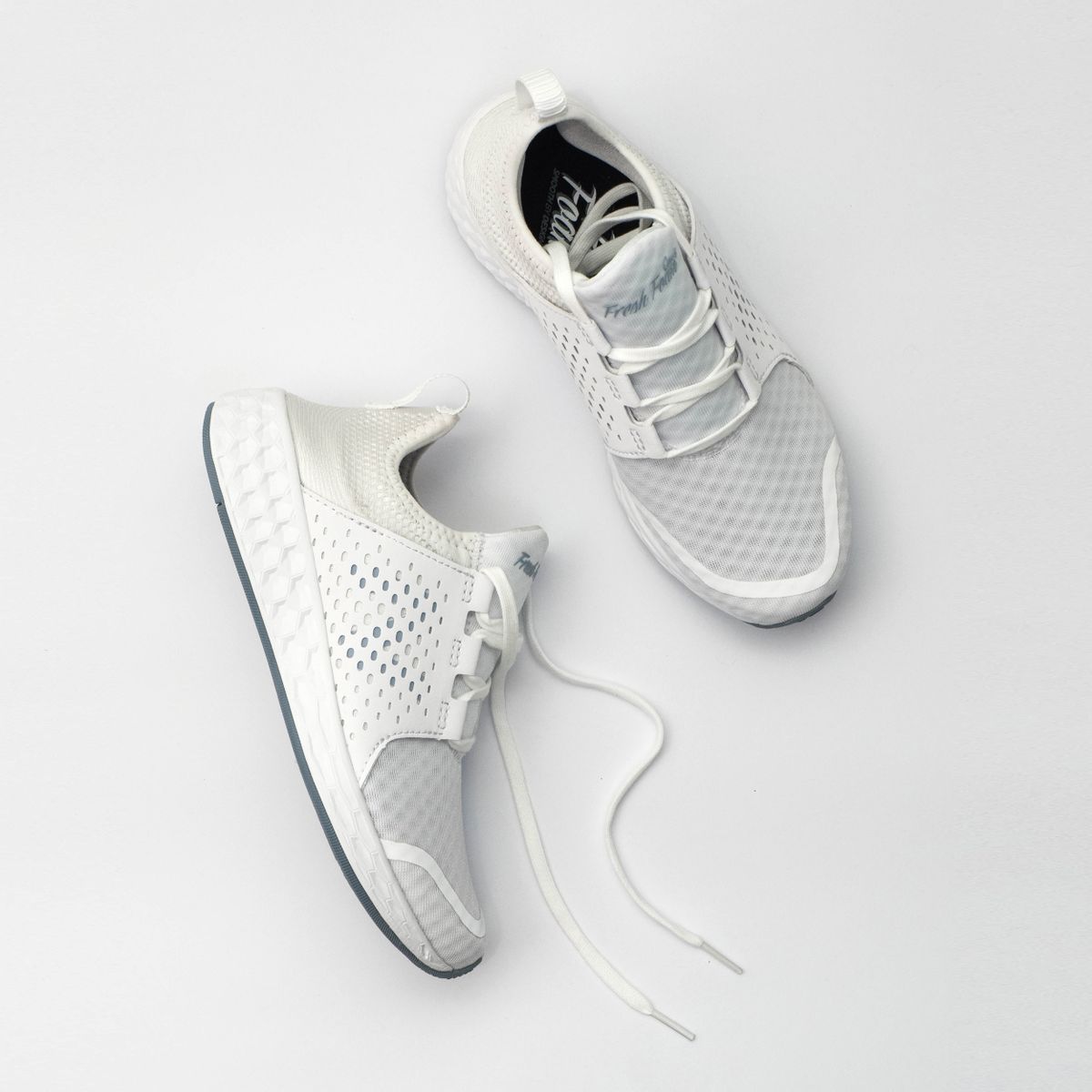
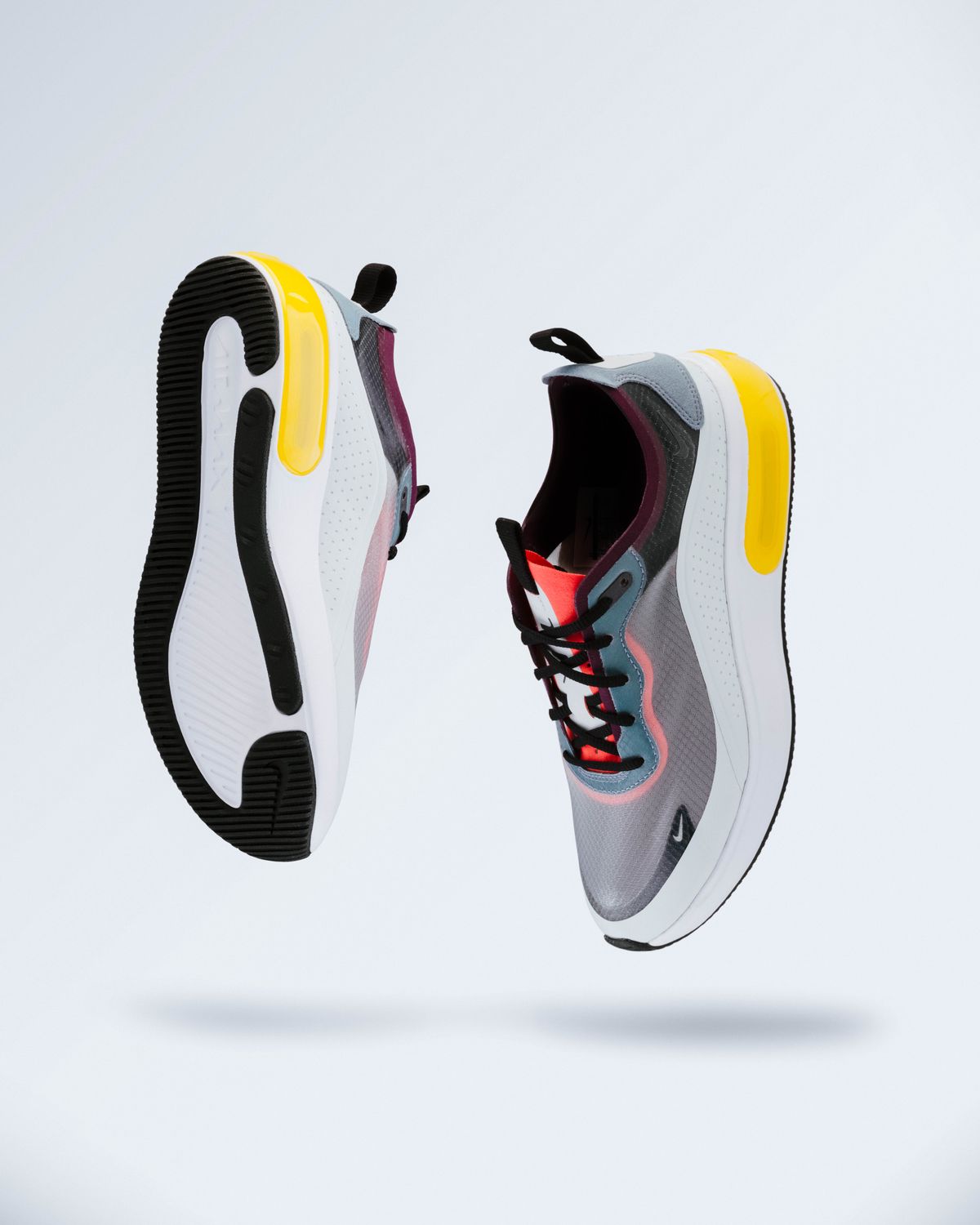
Two women stand side by side at a wedding, both in 90mm heels. In the group photo, one looks 6cm taller than she did at the ceremony. The difference isn’t the heel height. It’s the platform under the toe, the camera height, and the direction the photographer was standing when the shutter went.
Platform heels are the most photographed shoe in womenswear and the least understood in photographs. They change the line of the leg in a way that a stiletto doesn’t, and that change shows up differently depending on where the lens sits. Most people find out after the event, when the photos arrive and the shoes look wrong.
The rules are consistent enough to plan around. What follows is how platform heels behave in front of a camera, and what to check before leaving the house.
Why platform heels photograph taller than they look
A platform raises the whole foot, not just the heel. On a 90mm heel with a 30mm platform, the effective pitch is only 60mm, which means the ankle sits at a gentler angle while the body still gains 90mm of height. In a photograph, that reads as longer legs without the strained arch that makes a high stiletto look painful.
It’s worth checking your own pair in a mirror before an event, because the effect depends on leg length. On a shorter leg, the straight sole line adds height and reads well. On a long leg, the same line can look heavy, and a slimmer sole suits the proportion better.
The trade is in the foot’s silhouette. A platform makes the foot look longer from the side because the sole line runs straight from toe to heel instead of curving up. In a full-length shot, that line extends the leg and makes the wearer look taller. In a seated shot with legs crossed, the same line can look heavy, because the sole is the widest thing in the frame.
There’s a second effect that only shows on camera. Platform soles are thick, so the ankle looks thinner by comparison. Photographers use this deliberately. It’s why platform boots appear so often in fashion editorial, where the brief is long legs and a strong vertical line.
You’ll notice the effect most in photos taken from more than three metres away. Up close, the sole is just a sole. At a distance, the eye stops resolving detail and starts reading shape, and a thick sole changes the shape of the whole lower leg.
Distance flatters. That’s the whole trick.
If you want a number, 30mm of platform does more for a photo than 20mm of extra heel. It’s also easier on your calves, which is why so many brides end up in a platform sandal after a year of trying to walk in stilettos.
None of this requires a tall heel. A 70mm heel on a 25mm platform gives most of the photographic benefit with far less strain, and it’s the combination that shows up best in daylight wedding photos.
Camera height decides everything
A phone held at chest height points slightly down at the shoes, which shortens the leg and makes the platform look like a block. The same phone held at hip height flattens the perspective and lengthens the line. Kneel, and the platform disappears into the floor while the leg looks a metre long.
This is the single biggest variable, and it’s free to control. You don’t need a better camera. You need a lower one.
This is the single biggest variable, and it’s free to control. When someone offers to take a photo, hand them the phone and ask them to hold it at your waist, not their eye level. The difference in how the shoes read is bigger than the difference between a $90 pair and a $300 pair.
Group photos complicate it. Photographers usually shoot from their own standing height, which is fine for the tallest person in the frame and unkind to everyone else. If the group is mixed heights, the platform wearer benefits, because the extra sole length keeps the leg line visible even when the camera is high.
If you’re the one holding the phone, take one step back and hold it lower than feels natural. Most people frame from their own eyes, which is exactly the angle that flattens a platform. Crouch slightly and you’ll see the leg line change in the preview before you press anything.
Watch the floor line as well. On a slope, a platform tilts and the sole catches the light unevenly, which reads as a wedge in the photo even when the shoe is flat. Standing on level ground matters more with a platform than with any other heel.
The ankle strap problem in photos
An ankle strap cuts the leg at the narrowest point, which is normally flattering. With a platform, it does something else. The strap sits above a thick sole, and the eye reads the gap between strap and sole as a separate horizontal band. In a short dress, that band makes the leg look shorter, not longer.
The fix is either no strap or a strap that matches the skin tone closely enough to disappear. Nude straps on a nude shoe vanish in photos. Black straps on a black platform create a hard line that some people love and most people regret in candid shots.
Colour matters here too. A strap in the same tone as your skin disappears at three metres, which is the distance most photos are taken from. A contrast strap reads as a deliberate line, and that’s fine if you like the effect, but you should know you’re buying it.
Slingbacks behave better. The strap sits behind the heel rather than across the ankle, so the leg line stays unbroken from knee to toe. In photographs, a platform slingback consistently reads longer than a platform with an ankle strap, at the same heel height.
If you want the option, a detachable strap is worth looking for. Two pairs in one, and the photo difference is real. You’ll pay a little more, and you’ll use both versions, which is more than most shoes manage.
There’s an exception worth knowing. If the dress is long and covers the ankle, the strap doesn’t matter at all, and the platform is doing its work invisibly. That’s the easiest way to wear a platform: put it under a maxi and let the height do the job.
Flash, shine and the platform sole
Platform soles are usually smooth, and smooth surfaces reflect flash directly back at the lens. In a dark room with a phone flash, that reflection turns the sole into a bright white bar and blows out the detail of the shoe. The result looks cheap even when the pair isn’t.
Sole thickness affects the flash too. The deeper the platform, the larger the reflective surface, and the harder it is to angle away from a phone flash. A 20mm platform photographs cleanly in almost any light. A 50mm one needs a photographer who knows what they’re doing.
Matte finishes solve most of it. Suede, brushed leather and rubberised soles absorb light instead of bouncing it, and they photograph closer to how they look in person. Patent and high-gloss platforms are the worst offenders, especially in black, where the reflection reads as grey.
Test it before the event. Stand in front of a mirror, take a flash photo, and look at the result. You’ll see the hot spot immediately, and you can decide whether to change shoes or change the angle. Five minutes at home saves twenty bad photos later.
If the pair is already shiny, angle matters. Turn the foot slightly outward rather than pointing both toes at the camera, so the flash hits the sole at an angle and reflects away. It’s the same trick used for glasses and watches, and it works on shoes.
Daylight is kinder, and shade is kinder still. A platform in open sun at noon gets a hard shadow under the sole that reads as a gap, which makes the leg look shorter. Move two steps into shade and the shadow softens.
Daylight is kinder. A platform photographed in shade at midday shows its true colour and the shape of the sole. A platform photographed at golden hour picks up warm light on the top surface and looks richer, which is why so many shoe campaigns are shot in the last hour before sunset.
Group photos and the ground you’re standing on
Grass is the enemy of a platform. The sole sinks, the shoe tilts, and the photo shows a person standing at an odd angle with one heel buried. On grass, a block heel or a thin stiletto performs better because there’s less surface area to fight the ground.
Decking and gravel are the second problem. A platform on gravel rolls, and the wearer compensates by standing wider, which changes the silhouette in every shot. If the event is outdoors on a loose surface, plan the shoes around the ground, not the dress.
You’ll also want to check how the pair looks when you sit down. In a seated group photo, the platform is at camera height and becomes the most visible part of the shoe. If the sole has a scuff or a worn edge, everyone sees it, and no amount of standing practice helps.
Indoors, the risks are different. Polished stone floors reflect the sole from below, which doubles the visual weight of the platform. A matte floor, carpet or wood, keeps the line clean. If the venue has a marble lobby and a photographer, the shoes will read heavier in those shots than in any other part of the day.
Ask the photographer where they’ll stand for the group shot. If the answer is “on a chair”, the platform will be visible from above and the sole will dominate. You can’t change the photographer, but you can choose the shoes once you know.
Standing on steps is worth planning too. On a staircase, the platform on the higher foot is fully visible and the sole becomes a dominant shape. Turning the body three-quarters toward the camera and putting the higher foot slightly back keeps the sole out of the frame and the leg line long.
What to check on your phone before you leave
Take three photos before leaving the house: one at waist height, one at knee height, one at eye level. Look at the leg line in each. If the waist-height shot looks good, that’s the shot most people will take, and the pair is working.
Then check the shoes against the outfit in daylight, near a window, not under a lamp. Platform soles change colour under warm light, and a pair that reads black indoors can read dark brown outside. That’s fine with denim and wrong with a black dress.
Finally, walk ten steps on a hard floor and listen. A platform that clacks unevenly has a loose sole, and it will sound worse in a quiet room than it does in your hallway. Repair it before the event, not after.
- Waist-height photo: the most common angle, and the one to trust
- Knee-height photo: shows whether the leg line reads long
- Daylight check: catches colour shift that indoor light hides
- Ten-step listen: finds a loose sole before the event does
Platform heels aren’t harder to wear than any other heel. They’re harder to photograph, and the difference is mostly about where the camera sits and how the sole catches light. Get those two right and the pair does what it was bought to do.
If you’re choosing a shape, the white high-heeled shoes with a clean sole line and the rhinestone square-toe heels that photograph well in flash both show how much the sole edge matters. For the lighting side, this piece on the flash test and the daylight test is the same method applied to a different colour, and the two pairs kept out of four shows what survives a real event. The rest of the women’s shoes range is worth a look if you’re comparing sole heights.
For background, the entry on the platform shoe and its history explains why the sole shape keeps returning, and the piece on focal length covers why a phone at waist height flatters a leg line more than one at eye level.