

Style and Comfort for Every Step
We often speak of journeys, of paths taken and destinations reached. Yet, we seldom pause to consider the single most critical factor that makes any journey possible: the shoes on our feet. This isn’t about fleeting fashion or mere utility. It’s about a fundamental alliance between our bodies and the ground, mediated by a piece of engineered apparel. The right walking shoe is not an accessory; it is the foundation of daily mobility, a guardian of posture, and a silent contributor to our overall well-being. For too long, the narrative has forced a choice between looking good and feeling good. That dichotomy is obsolete. Today, we stand at an intersection where biomechanical science, material innovation, and thoughtful design converge to offer footwear that delivers uncompromising style and profound comfort, step after step.
The Anatomy of a Modern Walking Shoe: Beyond the Sole
To understand the revolution in comfort, we must first dissect the components of a contemporary walking shoe. It is a complex system, each part serving a distinct physiological purpose. The midsole, often crafted from advanced materials like ethylene-vinyl acetate (EVA) or polyurethane, is the primary shock absorber. Its job is to dissipate the force of each heel strike—a force that can equal 1.2 to 1.5 times your body weight—before it travels up the kinetic chain to your knees, hips, and spine. The insole or sock liner provides secondary cushioning and can often be removed for custom orthotics. The upper, once merely a leather or canvas shell, is now engineered with breathable, adaptive meshes that conform to the foot’s shape, reducing pressure points and hotspots. The outsole’s tread pattern isn’t just for grip; its flexibility and pivot points are designed to facilitate the natural rolling motion of the foot from heel strike to toe-off. As Dr. Casey Kerrigan, a former Harvard Medical School professor and gait analysis expert, has often highlighted in her research, “Footwear design can significantly influence gait mechanics. Optimal design reduces joint loading and muscular effort, which is paramount for comfort and injury prevention.” This scientific approach transforms the shoe from a passive cover into an active participant in your movement.
Ergonomics in Motion: How Your Body Talks to Your Shoes
The conversation between your foot and a walking shoe is a continuous dialogue of pressure, friction, and feedback. Ergonomics—the study of people’s efficiency in their working environment—applies perfectly here. A well-designed shoe aligns with the foot’s natural morphology and gait cycle. Consider the arch. A neutral arch requires balanced support, while flat feet (overpronation) need motion control to prevent the ankle from rolling inward excessively. High arches (underpronation or supination) demand enhanced cushioning to compensate for rigidity. Ignoring this is akin to using a keyboard that forces your wrists into an unnatural angle; discomfort and eventual injury are inevitable. Authoritative resources like the American Podiatric Medical Association (APMA) grant their Seal of Acceptance to footwear that promotes good foot health, a testament to a shoe’s ergonomic integrity. When you slip on a shoe that matches your biomechanics, you feel an immediate sense of “rightness.” The shoe doesn’t fight your movement; it guides and supports it. This synergy reduces fatigue, minimizes the risk of conditions like plantar fasciitis or shin splints, and allows you to walk longer distances with ease. The goal is for you to forget about your feet entirely, to let your mind wander while your body moves effortlessly.
The Aesthetic Revolution: Proving Style and Substance Are Not Foes
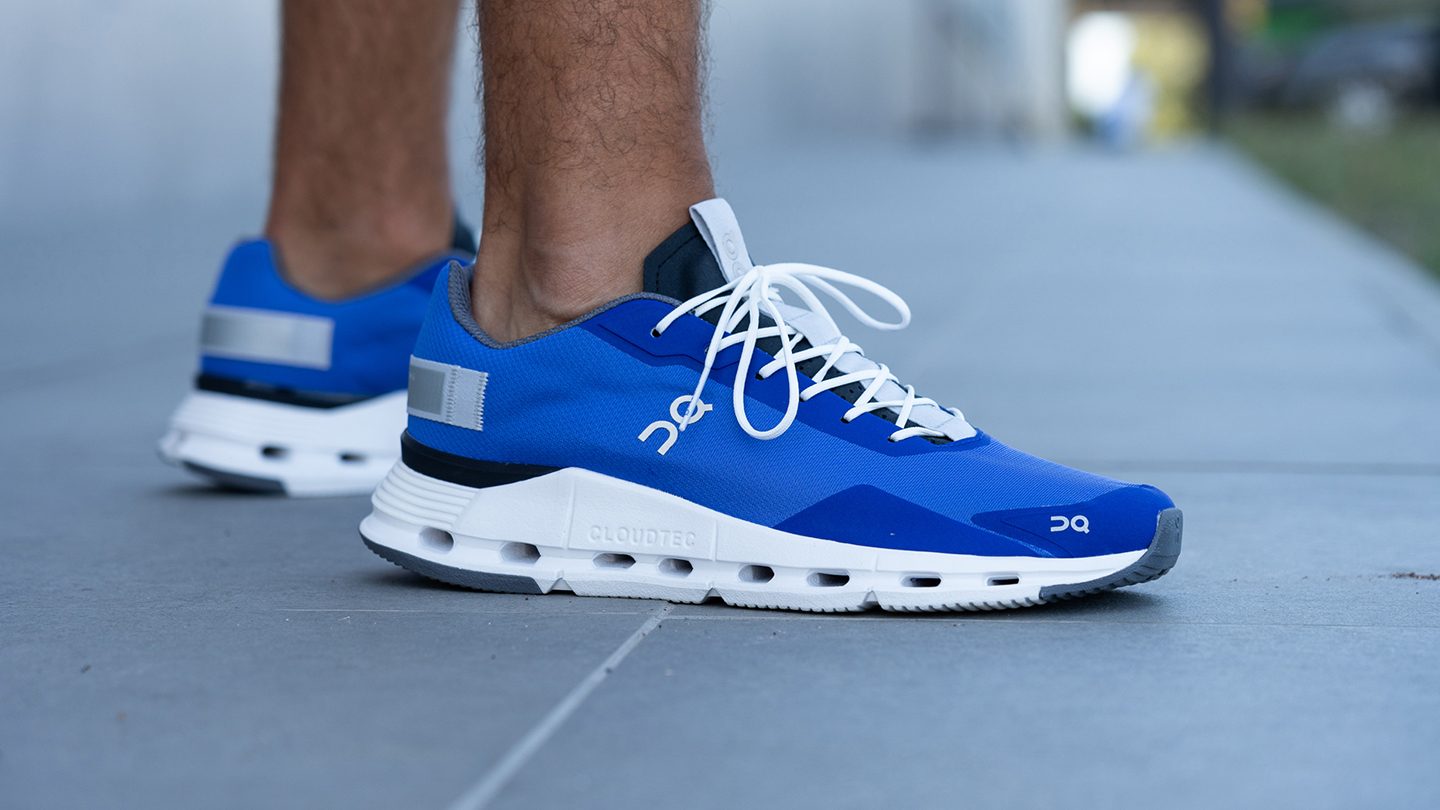
Historically, “comfort shoes” conjured images of clunky, beige monstrosities, resigned to the back of the closet except for medical necessity. This stigma has been utterly dismantled. Leading athletic and lifestyle brands have driven an aesthetic revolution, recognizing that visual appeal is a core component of personal well-being. The sleek, minimalist profile of a modern trainer, the bold colorways inspired by urban art, the use of premium materials like knitted uppers and recycled composites—all these elements speak a design language that resonates with contemporary fashion. Websites like Hypebeast or GQ regularly feature cutting-edge sneakers that are as much at home on the runway as on a city pavement. This fusion is powerful. When you look down and feel a spark of pride or pleasure at what you see, it boosts confidence. It creates a positive feedback loop: you feel good, so you move more; you move more in comfortable shoes, so you feel even better. The walking shoe has shed its purely utilitarian skin to become a statement of personal style that doesn’t ask you to compromise on physical well-being.
Material Science: The Invisible Engine of Comfort
The magic of modern comfort is woven into the very fabrics and foams of the shoe. Memory foam, initially developed by NASA for aircraft seat cushioning, now molds to the unique contours of your heel. Gel capsules or air units embedded in the midsole provide targeted cushioning at high-impact zones. Perhaps the most significant advancement is in breathability. Technical meshes, often with poetic names like engineered knit or Jacquard mesh, allow for maximum air circulation, keeping feet cool and dry. This is crucial, as a moist environment is a breeding ground for bacteria and fungus. Furthermore, sustainability has entered the material conversation. Brands now utilize recycled polyester from plastic bottles, organic cotton, and even algae-based foams. This isn’t just a marketing trend; it’s a response to a growing consumer desire for products that are kind to both the body and the planet. When you choose a walking shoe built with these innovations, you’re not just buying a product; you’re investing in a ecosystem of research and development dedicated to perpetual improvement. The comfort you experience is the tangible result of countless hours of laboratory testing and biomechanical studies.
:max_bytes(150000):strip_icc()/vwt-asics-womens-gel-pulse-16-jinfeng-chen-21-712f0f140e834b84b3a8dcf0bf154771.jpeg)
Making the Informed Choice: A Guide to Your Next Pair
With this knowledge in hand, how do you navigate the overwhelming array of choices? The process is personal and should be deliberate. First, know your gait. Many specialty running stores offer free gait analysis. Second, prioritize fit over size. Your ideal walking shoe should have about a thumb’s width of space between your longest toe and the shoe’s end, with a secure but not tight hold around the midfoot and heel. Shop in the afternoon, as feet naturally swell throughout the day. Third, consider your primary terrain. A shoe designed for paved city streets will have a different outsole pattern and cushioning level than one meant for gravel paths or light trails. Don’t be swayed by hype alone; read reviews from reputable sources like Runner’s World or Wirecutter, which conduct rigorous wear-testing. Remember the words of renowned ultramarathoner and author, Christopher McDougall, who in his book Born to Run explored the essence of natural movement: “The best shoe is the one that lets your foot behave like a foot.” Your choice should empower your natural stride, not constrain it.
An Investment in Longevity: Cost Versus Value
It’s tempting to seek the lowest price, but with footwear, true economy is measured in cost per mile. A cheaply made shoe may save money upfront but often lacks the durable materials, quality construction, and sophisticated support systems of a premium model. It will break down faster, its cushioning will compact, and its support will erode, potentially leading to discomfort or injury that carries its own costs. Investing in a well-made pair from a reputable brand is an investment in your physical health and daily comfort. The good news is that value is accessible. End-of-season sales, official brand outlet stores, and reputable online retailers frequently offer significant discounts on previous models. The core technology—the cushioning system, the stability features—often remains largely unchanged for several generations. By purchasing a discounted prior-season model, you can acquire top-tier engineering and comfort at a fraction of the original price, bringing professional-grade performance within reach. This is how we bring professional knowledge and discounted prices to you: by empowering you to recognize quality and know where to find it value.

The pursuit of the perfect step is a lifelong journey. It evolves with our bodies, our activities, and our styles. By choosing a walking shoe that marries scientific insight with aesthetic intelligence, we do more than protect our feet. We enhance our daily experience, turning every commute, every errand, every leisurely stroll into an opportunity for effortless movement and quiet confidence. The ground beneath us is constant, but how we meet it is a choice. Choose shoes that let you walk with both style and comfort, for every single step you take.
