

Step Into Comfort and Style with Vionic Walking Shoes
For years, the pursuit of the perfect walking shoe felt like a compromise. It was a choice between clinical-looking orthopaedic support that sacrificed all sense of style and fashionable footwear that left my feet aching after a mere city block. This false dichotomy governed my shoe purchases until I discovered a category that promised to bridge this divide. The journey led me to a revelation: foot health and aesthetic appeal are not mutually exclusive. This article is an exploration of that synthesis, centered on the innovative approach of one brand. We will delve into the science of biomechanics, the philosophy of integrated wellness, and the tangible benefits of choosing footwear designed with intentionality. The central thesis is simple yet profound: the right shoe can transform walking from a mundane necessity into a source of daily joy and vitality, and this transformation is best exemplified by the engineering and design principles found in a vionic walking shoe.
The Foundation: Understanding Biomechanics and Foot Health
To appreciate what sets specialized footwear apart, we must first understand the complex machinery of the human foot. According to the American Podiatric Medical Association, the foot is a marvel of biological engineering, comprising 26 bones, 33 joints, and over 100 muscles, tendons, and ligaments. This structure is designed to perform two primary, often conflicting, functions: to be a mobile adapter on uneven terrain and a rigid lever for propulsion during the gait cycle. When this delicate balance is disrupted—often by unsupportive, flat shoes—it can lead to a cascade of issues. Pronation, the natural inward roll of the foot, can become excessive, collapsing the arch and misaligning the entire kinetic chain from the ankles to the knees, hips, and lower back. The consequences are not merely podiatric; studies from institutions like the Harvard Medical School have linked poor footwear to conditions like plantar fasciitis, metatarsalgia, and chronic joint pain. This is where biomechanically informed design becomes critical. It’s not about adding a simple cushioned insole; it’s about creating a three-dimensional architecture that guides the foot through its natural motion path, providing support precisely where it’s needed. A vionic walking shoe is built upon this very principle, integrating podiatrist-developed orthotic technology directly into its foundation to promote natural alignment from the ground up.
Beyond the Orthopaedic: The Integration of Style and Substance
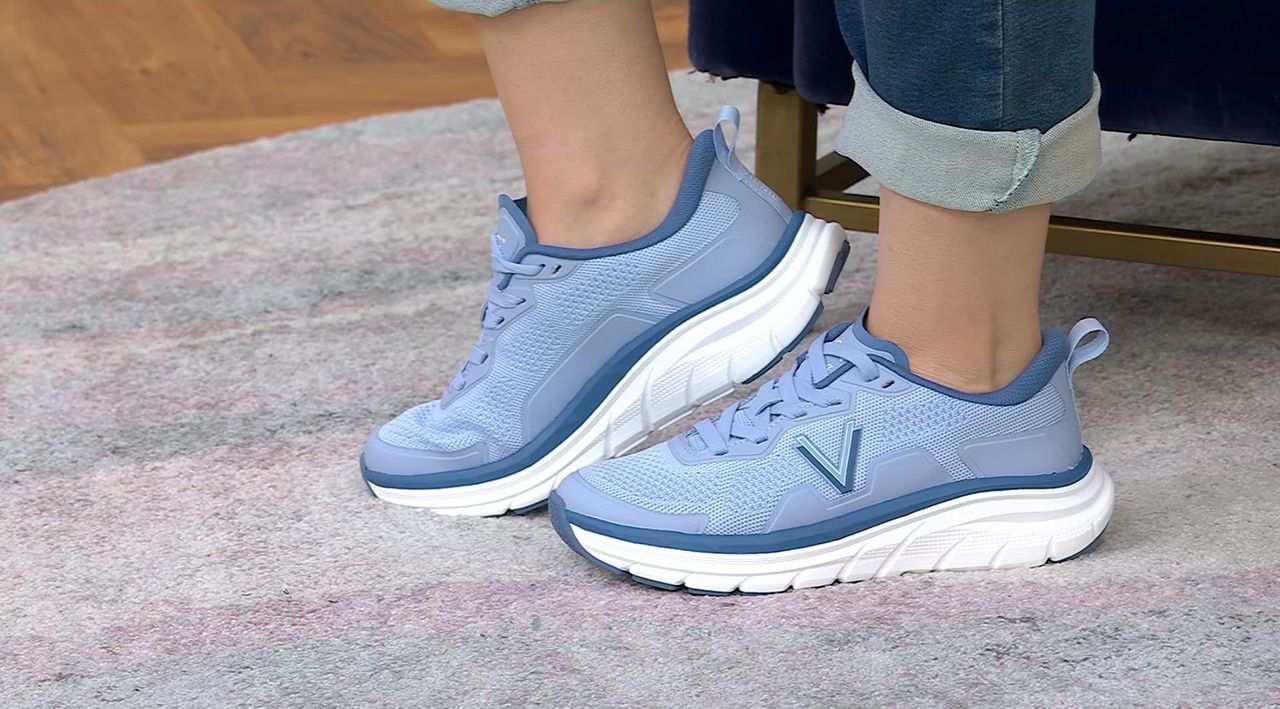
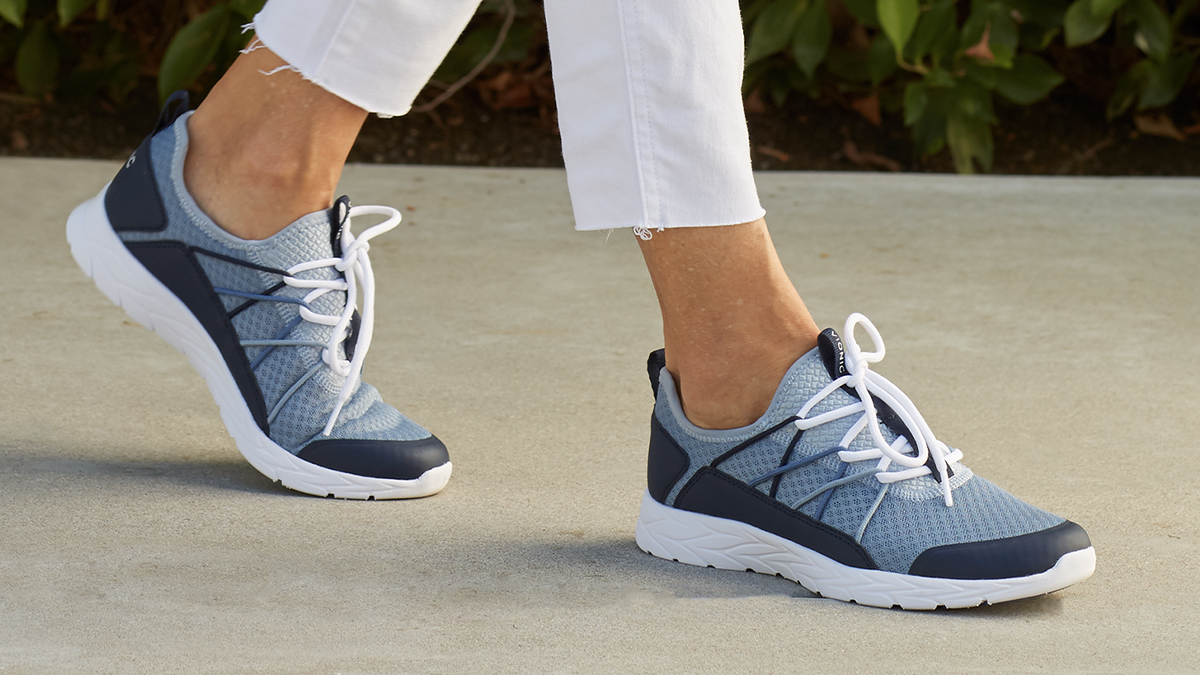
The historical stigma surrounding “sensible shoes” is a powerful one. For decades, footwear that was good for you was synonymous with bulky, beige, and frankly, unattractive designs. This created a psychological barrier for many, myself included, who valued personal expression through fashion. However, the modern wellness movement has catalyzed a paradigm shift. Consumers now demand products that deliver on both function and form, a concept championed by designers across industries. In footwear, this means recognizing that aesthetic pleasure contributes to overall well-being. When you feel good about what you’re wearing, your confidence and posture improve, creating a positive feedback loop. Brands that have successfully cracked this code do not simply slap a trendy upper onto a medical-grade sole. Instead, they approach design holistically. The curvature of the arch support is sculpted to be seamless. The materials are chosen for both breathability and contemporary texture. The color palettes are drawn from current fashion runways. The result is a shoe you choose to wear, not a device you are prescribed to wear. This philosophy is vividly apparent when you examine the sleek profiles and varied designs of the vionic walking shoe collection, which includes everything from classic leather walkers to knitted athletic styles, proving that support need not be visible to be effective.

Deconstructing the Technology: What Makes a Supportive Shoe?
Let’s move from principle to particulars. What specific features should you, as an informed consumer, look for? The cornerstone is the orthotic footbed. Unlike generic memory foam that merely compresses under pressure, a biomechanical footbed has a distinct tri-planar design. It features a deep heel cup to stabilize the calcaneus (heel bone), a pronounced arch support to prevent collapse, and a forefoot ramp to facilitate the toe-off phase of walking. This design is often based on the “Root Functional Orthotic” principles, which aim to restore the foot’s natural position. Next, consider the midsole. Materials like EVA (ethylene-vinyl acetate) or polyurethane provide varying degrees of cushioning and durability, but the geometry is key. A rocker sole, for instance, is a subtle curvature that reduces strain on the Achilles tendon and plantar fascia by rolling the foot forward. Finally, the upper must offer a secure, non-constrictive fit. As noted by numerous shoe-fitting experts on platforms like Quora and professional blogs, a shoe that is too tight can cause neuromas, while one that is too loose creates friction and blisters. The integration of these elements—footbed, midsole, and upper—into a cohesive unit is the hallmark of serious walking shoe design. When you slip on a well-designed vionic walking shoe, you are not just putting on a shoe; you are engaging with a system engineered to work in harmony with your body’s mechanics.
The Personal and Collective Testimony: Voices from the Community
Objective science provides the framework, but subjective experience fills it with meaning. The impact of proper footwear is best understood through the stories of those who have experienced the transition. On platforms like YouTube, fitness influencers and everyday users alike share transformative narratives. One marathon trainer famously stated in a review, “After years of battling plantar fasciitis, switching to biomechanically focused shoes was the single most effective change in my regimen. The pain didn’t just lessen; it disappeared, allowing me to reclaim my passion for running.” Similarly, on lifestyle blogs, individuals with occupations requiring prolonged standing—nurses, teachers, retail workers—consistently highlight the day-long endurance provided by supportive shoes. This collective testimony forms a powerful body of evidence. It underscores that the benefits extend beyond preventing pain to actively enhancing performance and quality of life. The relief of persistent foot pain is not merely a physical correction; it is a mental liberation, removing a constant source of distraction and discomfort. This chorus of positive experiences surrounding specific brands, including numerous testimonials for vionic walking shoes, creates a compelling case that is both personal and widely validated.
Making an Informed Investment: Value Beyond the Price Tag
It is true that shoes built with this level of technology and material quality often carry a higher initial price point than mass-market alternatives. This leads to a crucial consideration: how do we define value? In economics, value is a measure of the benefit derived from a good relative to its cost. A cheap shoe that needs replacing every six months and contributes to medical expenses offers poor value. Conversely, a higher-quality shoe that lasts for years and serves as a preventive health measure offers exceptional value. Think of it as investing in the foundation of your daily mobility. Many reputable brands also frequently offer seasonal sales, promotional discounts, and bundle deals, making this investment more accessible. The key is to view the purchase not as a mere clothing accessory but as essential equipment for your body, akin to a quality mattress or an ergonomic office chair. By prioritizing features like durable construction, replaceable orthotic inserts, and timeless design, a single pair of well-chosen vionic walking shoes can outlast and outperform multiple pairs of conventional footwear, providing both professional-grade support and long-term economic sense.

A Step Toward a More Vibrant Daily Life
The journey through biomechanics, design philosophy, community validation, and practical value converges on a single, empowering idea: we have the agency to dramatically improve our daily experience through conscious choices. The shoes we wear are one of the most intimate and constant interfaces between our bodies and the world. Settling for footwear that causes discomfort is an unnecessary concession that ripples through our posture, energy, and mood. Embracing footwear that combines rigorous support with considered style is an act of self-care. It is a decision to walk through life—whether on a morning errand, a workplace shift, or an evening stroll—with greater ease, stability, and confidence. The difference is not subtle; it is felt with every step. When your foundation is secure and comfortable, the path ahead feels more inviting. This is the ultimate promise and purpose of seeking out and stepping into a truly supportive walking shoe.
