

You’re standing in a changing room with one grey heel on and one black heel on, and the grey one is winning. Then you get home, put it with the outfit you actually planned, and it looks like a shoe that lost its nerve. Same shoe, different verdict, and the difference is almost always the shade rather than the style.
Grey is the neutral that behaves like a colour. It has a temperature, a depth, and a finish, and all three of those change what it does next to a coat, a dress, and your own leg. Get them lined up and a grey heel is the most useful pair in the cupboard. Get them wrong and it’s the pair you keep trying on and taking off.
Here’s how you pick, and where grey beats black outright.
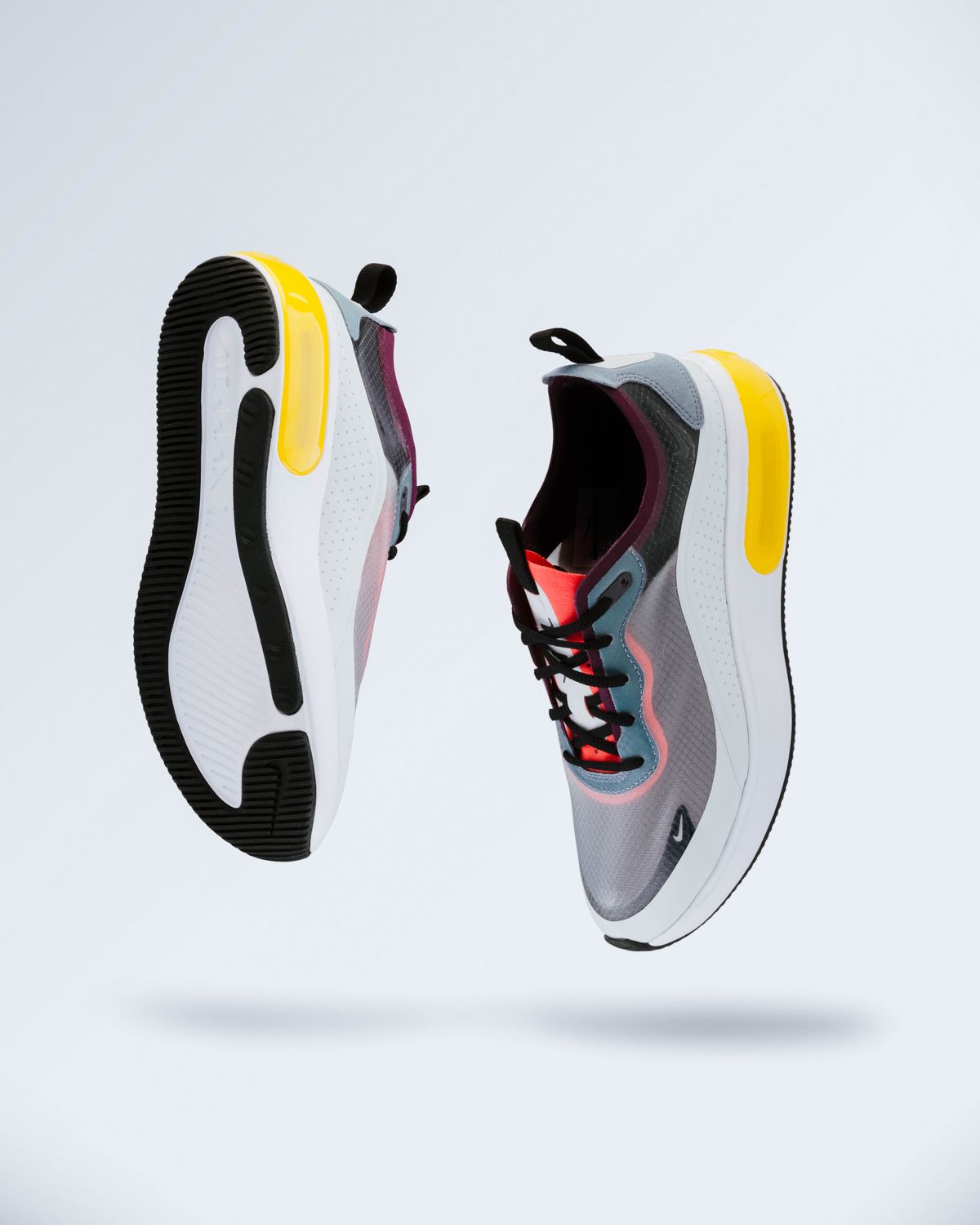
Five greys, and only three of them are actually useful
Walk into any shoe department and the grey section is really five different colours wearing the same label. They behave so differently that it’s worth knowing which one you’re looking at before you try anything on.
- Pale dove grey. Almost a neutral white. Beautiful in summer, invisible in winter, and the hardest to keep clean. Works with pale denim and washed linen.
- Mid grey, the one that reads as true grey. The workhorse. Pairs with navy, black, or charcoal without argument. If you buy one pair, this is the one.
- Charcoal. Dark enough to do a black shoe’s job and softer doing it. This is the pair that survives an office dress code and an evening.
- Taupe grey, leaning warm. Closer to greige. Excellent with camel, cream, and brown, and the choice if your wardrobe is warm-toned.
- Slate or blue-grey. The most directional and the least versatile. Stunning with navy and denim, awkward with anything olive or rust.
Three of those are genuinely useful in a normal wardrobe: mid grey, charcoal, and taupe grey. Dove is a summer shoe and slate is a statement. That’s not a criticism of either, it’s just a warning against buying the one that looks best under shop lighting and then finding it has nothing to talk to at home.
Grey heels women actually wear repeatedly tend to sit one step darker than the wardrobe they’re worn with. A pale grey barely registers against a dark outfit, so the shoe stops reading as a shoe. A mid or charcoal grey sits in the middle and gives the outfit something to land on.
The one exception is a summer wardrobe of white, pale denim, and linen, where dove grey is the only shade that doesn’t look heavy. If that’s your summer, buy dove and accept that it’s a seasonal shoe.
Grey hides scuffs better than black, and here’s where that stops being true
Black leather shows every mark. A scuff goes pale and grey against the black, and there’s no blending it without polish. Grey has a head start, because most scuffs on grey produce a mark that’s in the same family as the shoe. A rub on a mid-grey toe looks like a variation in the finish, not damage.
That advantage is real and it lasts about two years. What grey doesn’t hide is dark marks. Coffee, wet mud, and the black rubber of a car mat all show up on grey the way they’d show up on cream. And suede grey is a different story entirely, because suede marks in both directions and there’s no cream that fixes it.
The finish that survives best is a matte or lightly grained leather in mid grey. Patent grey looks incredible in a photograph and shows every fingerprint. Metallic grey, which is really silver with a grey cast, scuffs the way silver does, by losing the reflective layer.
If you want the practical answer: mid-grey grained leather with a stacked or wrapped heel, in a shape you can wear with trousers. That combination will look presentable for years with nothing more than a wipe and occasional polish. Ours is a case of choosing the boring option and being right about it.
Worth testing before you buy: run a fingernail across the toe of a display pair. On good grey leather the mark warms out with a thumb. On a coated grey upper the mark stays pale and sharp, and that’s exactly what your first kerb will do to them.
This is why grey heels for women are worth buying in a shop rather than online if it’s your first pair. You need to see the leather up close under daylight, and you need to know whether the shade is one that flatters your leg. Neither of those things comes across in a photo.
Match the grey to your wardrobe’s temperature, not to your mood
Cool grey next to warm camel looks like a mistake. Warm taupe next to navy looks slightly off, like a photo with the white balance wrong. None of that is about rules, it’s about undertone, and it’s the reason two people can try the same pair and disagree completely.
A quick way to work it out without a colour analysis appointment: look at the three coats you wear most. If they’re black, navy, charcoal, or white, you’re working cool and you want a mid grey or charcoal. If they’re camel, cream, olive, rust, or brown, you’re working warm and taupe grey will do more for you.
Skin tone matters less than people think for shoes, because the shoe isn’t next to your face. What matters is your leg. A cool grey on a warm-skinned leg reads slightly blue and looks deliberate if the outfit is cool, and accidental if the outfit is warm. Match the shoe to the outfit, not to your arm.
If you’re in the middle, between warm and cool, buy taupe. It’s the shade that fails least often, and it’s the one that works with the widest range of tights.
Practical check you can do at home in two minutes: lay the two or three grey shoes you already own next to a navy jumper and a camel coat. Whichever one looks calm next to both is your grey, and the one that looks slightly foreign is the one to avoid in future. Most people discover they’ve been buying the same wrong grey for years.
Light matters as well. Grey shifts more than any other neutral under artificial light, so a shoe that looks correct in a shop can look flat in your kitchen and blue in an office with fluorescent tubes. Take a photo in daylight before you decide. Phone cameras exaggerate it, which makes them useful for spotting a problem you’d otherwise miss until you’re already out of the house.
The office-to-dinner problem, solved by height rather than colour
Most people want one pair of grey heels that covers a workday and whatever happens after it. The colour will do that. The height is what decides whether you can actually stay in them.
At 50 to 60mm, a grey heel is a shoe you forget about. You can walk to the station, stand through a presentation, and still be standing at 8pm. If your week is mostly work and occasionally dinner, this is the height to buy, and the grey makes it look less sensible than it is.
At 70 to 75mm, you’re in the range where the shoe looks more evening and starts asking more of your forefoot. It’s still fine for a day that’s mostly sitting. It’s not fine for a day that’s mostly walking.
Above 85mm, buy it as an evening shoe and mean it. Nothing about grey makes a 90mm heel easier to walk in, though it does make it look less aggressive than black at the same height.
The other thing that closes the office-to-dinner gap is the toe shape. A pointed toe in grey reads sharper and dressier, which is exactly what you want at 7pm and slightly formal at 9am. An almond or softly squared toe sits in the middle and is the better buy if you only own one pair.
And check the heel tip before you commit to a height. A worn plastic tip on a 75mm heel changes the angle of the whole shoe and makes it walk like a 90mm. Replacing tips costs almost nothing, but if you’re buying second-hand or from a sale rail, budget for it.
There’s also the question of what you’ll carry. A grey heel at 60mm fits in a tote without a second thought. A 90mm pair needs a bag big enough to hold the shoes you wore to work, and that’s a different purchase entirely. If the plan is to change at the office, buy the height that fits your bag.

What grey heels are genuinely bad at
They’re bad with black tights. Grey against black hosiery creates a leg that looks cut in half at the ankle, and the contrast draws the eye downward in a way that makes the whole outfit look shorter. If you wear black tights five days a week, buy charcoal boots or stick with black. This is the one mistake that makes people give up on grey heels for women entirely, and it’s a tights problem rather than a shoe problem.
They’re bad at hiding a scuffed heel. Grey shows the pale cardboard core of a damaged heel counter more than black does, because the contrast runs the other way. Check the inside of the heel on any pair you’re considering, and check the back of the heel where the other shoe rubs.
And they’re bad as a first pair of heels. If you’re building from nothing, black and nude do more work. Grey is the pair you add third, when you already have the basics and want something that isn’t black without going bright. Buying it first usually means it sits in the box while you wear the black ones.
One more honest note. Cheap grey leather looks cheaper than cheap black leather, because there’s no depth to hide a plastic finish and no darkness to hide a wobbling seam. Grey is the colour that shows construction, so it’s the one place where paying a bit more actually shows on the outside.
They’re also less flattering with bare legs than black at the same height, if the grey is pale. A pale grey court cuts the leg line at the vamp, and against summer skin the contrast reads as a break. Mid grey and charcoal don’t do this, which is another argument for the middle of the range.
One place grey genuinely wins: photographs. If you’re going to be in pictures all evening, grey holds detail where black goes to a flat silhouette and nude disappears into the background. It’s the reason grey shows up so often in wedding guest photos and so rarely in product shots.
Three outfits that work, and why
Grey heels earn their place in outfits where black would be too heavy and nude would disappear. Here are three that hold up in real life rather than in a lookbook.
Charcoal trousers, white shirt, mid grey heel. A tonal outfit with one step of contrast. It works because the shoe is a shade lighter than the trouser, so the eye travels down instead of stopping at the ankle. Add a black bag and it still works, which is not true of every neutral.
Dark indigo jeans, grey knit, taupe heel. The warm shoe against the cool denim is the whole trick, and it stops the outfit looking like a uniform. This is the combination that surprises people, because taupe reads as grey at a glance and does more than grey would.
Pale grey dress, charcoal shoe. Reverse tonal dressing, and the most reliable way to make a pale dress look expensive. Keep everything else matte and avoid a shiny bag. If the dress is satin, wear a matte shoe.
What doesn’t work: grey with olive, grey with rust, and grey with a bright warm red. All three clash at the undertone level and no accessory fixes it. If your autumn wardrobe is olive and rust, taupe is your grey and slate is not.
If you want to test the idea before committing, our carry-on test with beige heels uses the same logic in a warmer neutral, and the daylight check on cream heels covers what shows up in real light on a light shoe. Both are worth reading before you spend on anything pale, since grey heels for women share the same weakness: they show every mark that black absorbs.
For the pair itself, a black satin court in the same shape tells you whether the last suits your foot before you commit to grey, and the champagne slim-heel style is the warm-neutral version of the same idea. Both sit in the wider collection of women’s heels if you want to compare shapes side by side.
If you want the colour theory without the marketing, Pantone’s colour finder is useful for seeing how far apart two greys actually are, and it’s a good reminder that dove and slate are neighbours on paper and strangers in an outfit. The background on heel construction explains why the same height can feel so different between two pairs, and Vogue’s fashion coverage is a better guide to how grey is being worn than any product page.
Buy the mid grey first. Wear it for a fortnight with everything you own and see which outfits it improves. Then decide whether you need charcoal as well, because most people do, and almost nobody needs both on day one.
And if you’re still deciding between grey heels for women and a plain black pair, ask yourself one question: how many black shoes already live by your door? If the answer is three, buy the grey.
