

Choosing Between Running and Walking Shoes for Optimal Performance
When it comes to selecting the right footwear for your physical activities, the difference between running and walking shoes is a crucial factor to consider. Whether you’re an avid runner, a casual walker, or someone who enjoys a mix of both, understanding the nuances of these two types of shoes can significantly impact your performance, comfort, and overall health. This article delves into the key distinctions, providing you with the knowledge to make an informed decision that aligns with your specific needs.
Understanding the Core Differences
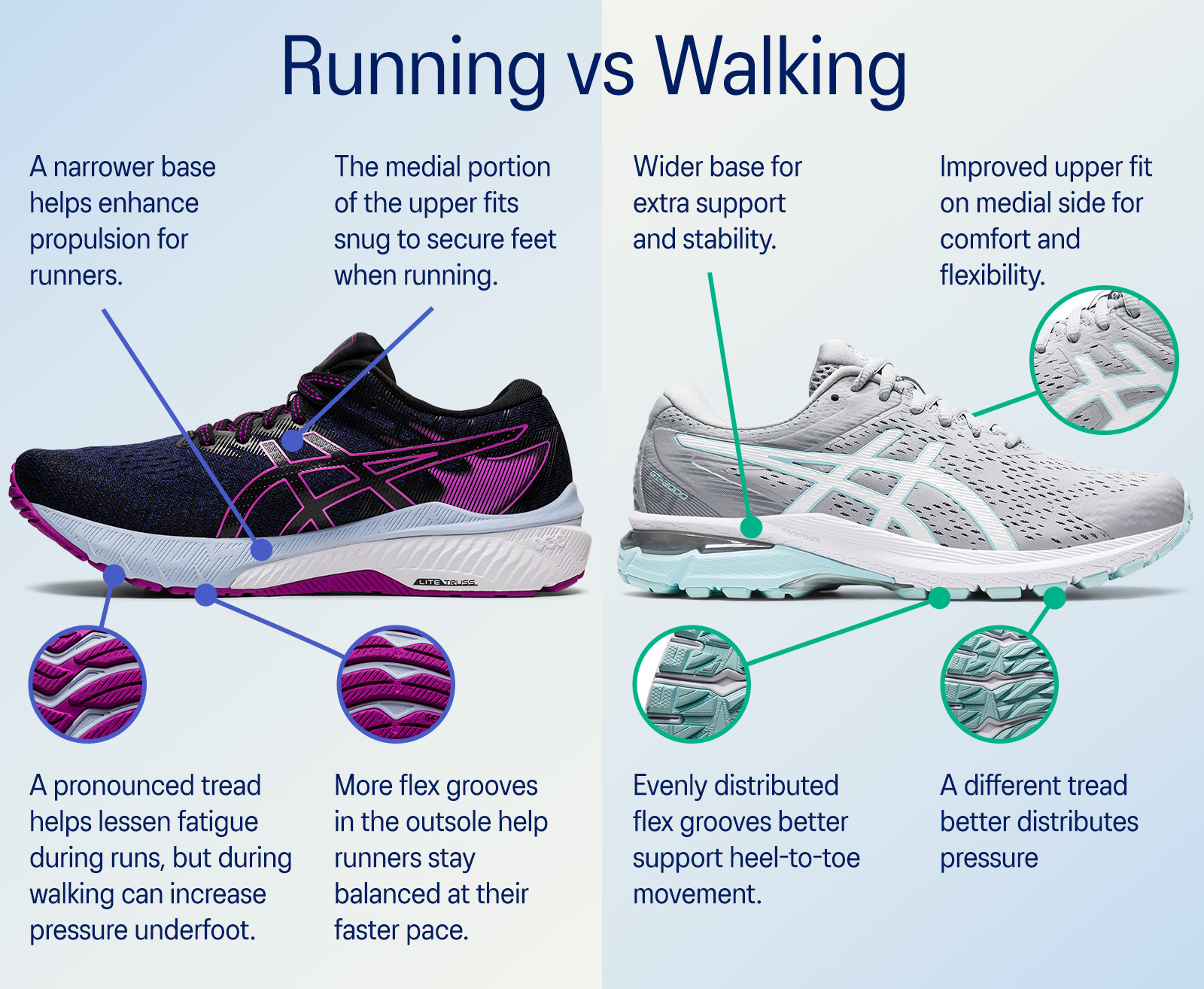
The difference between running and walking shoes lies primarily in their design and functionality. Running shoes are engineered to support the high-impact forces generated during running, which involves a brief but intense period of foot-to-ground contact. They typically feature a thicker, more cushioned midsole to absorb shock, a reinforced heel to stabilize the foot, and a more flexible forefoot to facilitate toe-off. On the other hand, walking shoes are designed for a more consistent, low-impact gait cycle. They offer a flatter, more stable platform, with less cushioning and a stiffer sole to provide support throughout the entire stride.

Impact on Performance
The difference between running and walking shoes directly influences your performance. For runners, the right shoe can mean the difference between a smooth, efficient stride and potential injury. According to a study published in the Journal of Sports Sciences, runners who wore shoes with inadequate cushioning were at a higher risk of developing stress fractures and other overuse injuries. Conversely, walkers benefit from shoes that prioritize stability and support, as their gait involves a longer period of foot contact with the ground. A study by the American Podiatric Medical Association found that walkers who wore shoes with insufficient arch support experienced increased foot fatigue and discomfort.
Comfort and Fit
Comfort and fit are paramount when choosing between running and walking shoes. The difference between running and walking shoes extends to their fit and feel. Running shoes often have a snugger fit to minimize slippage and provide a secure feel, which is essential for the quick, repetitive movements of running. Walking shoes, however, are designed to be roomier, allowing for a more natural foot movement and reducing the risk of blisters and hot spots. According to footwear expert Dr. Casey Kerrigan, founder of OESH Shoes, “The fit of your shoes should be determined by your activity. Runners need a tighter fit to prevent heel slip, while walkers benefit from a roomier toe box to accommodate foot swelling.”

Choosing the Right Shoe for Your Activity
Selecting the right shoe depends on your primary activity and personal preferences. If you’re a runner, investing in a pair of high-quality running shoes is non-negotiable. Brands like Asics, Nike, and Brooks are renowned for their advanced cushioning and support technologies. For walkers, brands such as New Balance, Skechers, and Ecco offer shoes that prioritize stability and comfort. It’s also important to consider factors like arch support, foot width, and any existing foot conditions. As marathon runner and fitness influencer, Robin Arzón, puts it, “Your shoes are your foundation. They should feel like a hug for your feet.”

The Role of Technology
Advancements in footwear technology have blurred the lines between running and walking shoes, but the difference between running and walking shoes remains evident in their technological features. Running shoes often incorporate technologies like gel cushioning, air pockets, and carbon fiber plates to enhance energy return and reduce impact. Walking shoes, on the other hand, focus on technologies that improve stability and durability, such as reinforced toe caps and flexible soles. According to a report by the Sports & Fitness Industry Association, the integration of advanced materials and designs has led to a significant improvement in shoe performance, making it easier for consumers to find the perfect fit for their needs.
Conclusion
In summary, the difference between running and walking shoes is more than just a matter of semantics. It’s about understanding the specific needs of your activity and choosing a shoe that aligns with those requirements. Whether you’re pounding the pavement or strolling through the park, the right footwear can make all the difference in your performance, comfort, and overall well-being. By considering factors like design, technology, and fit, you can make an informed decision that enhances your experience and keeps you moving forward.
