

A Guide to Timeless Elegance and Modern Chic
Elegance is not about being noticed, but about being remembered. In a world of fleeting trends, the pursuit of a style that transcends time while embracing the present moment is the ultimate sartorial wisdom. This is not merely about clothing; it is a philosophy of living, a curated approach to aesthetics that values heritage, quality, and personal expression in equal measure. Modern chic is its dynamic counterpart—the infusion of contemporary energy, clean lines, and a confident, often minimalist, sensibility. Together, they form a powerful dialectic, a conversation between the enduring and the immediate. This guide explores the principles that anchor this style, moving beyond subjective preference to examine the objective elements that constitute its foundation. We will navigate through the pillars of timeless design, the hallmarks of modern sophistication, and how strategic choices, such as investing in iconic pieces like Burberry heels, can serve as a bridge between these two worlds, offering both professional insight and the acumen to recognize value.
The Pillars of Timeless Elegance: Beyond the Trend Cycle
Timeless elegance finds its roots in principles that are resistant to the erosive forces of seasonal change. Firstly, it is anchored in quality and craftsmanship. As the Victoria and Albert Museum in London articulates in its studies on design history, enduring fashion is inextricably linked to material integrity and construction technique. A hand-stitched seam, a finely woven fabric—these are not just details but the very language of longevity. Secondly, silhouette and proportion play a scientific role. The Golden Ratio, a mathematical principle observed in nature and classical art, often underpins garments that are universally perceived as balanced and harmonious. Think of the cut of a tailored blazer or the drape of a trench coat; their appeal is not accidental but rooted in proportional perfection. Thirdly, a neutral and sophisticated color palette—navy, cream, black, camel—forms the cornerstone. Color theory suggests these hues possess a low chromatic intensity, allowing for immense versatility and creating a canvas upon which individuality can be expressed through accent, not overwhelm. Finally, timeless elegance embraces heritage and narrative. A piece with a story, like the iconic Burberry trench, carries a cultural weight that mere novelty cannot replicate. It connects the wearer to a lineage of style, much like a well-loved book passed through generations.

The Essence of Modern Chic: Clarity, Confidence, and Contemporaneity
If timeless elegance is the deep, steady bass note, modern chic is the clear, melodic treble. It is defined by an ethos of intentional simplicity. This is not mere minimalism for its own sake, but a curated edit, a philosophy echoed by figures like architect Ludwig Mies van der Rohe’s axiom “less is more.” It is the removal of the superfluous to highlight the essential—the clean line of a jumpsuit, the sharp angle of a structured bag. Modern chic also demands innovative materials and cuts. It engages with technological advancements in textiles—performance fabrics, sustainable innovations—and marries them with architectural shapes. Furthermore, it is characterized by a play of textures and monochromatic layering. The interest is generated not through loud prints, but through the tactile dialogue between silk, wool, leather, and knit. A head-to-toe grey ensemble becomes a study in tonal variation and material contrast. Crucially, modern chic is underpinned by an attitude of effortless confidence. It is the style of the woman who moves with purpose, whose clothing is an extension of her dynamic life, not a constraint. This confidence is perhaps best encapsulated in the choice of footwear that grounds a look with authority and polish, such as a pair of sleek Burberry heels.

The Synthesizing Element: Iconic Accessories as Bridges
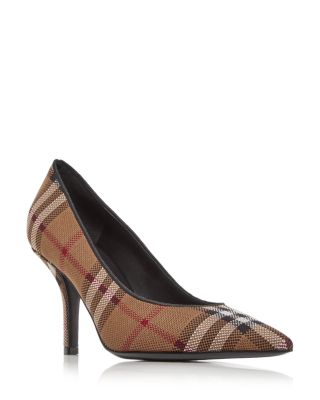
The most compelling style narratives occur at the intersection of these two philosophies. Here, accessories cease to be mere additions and become the pivotal synthesizing agents. A classic pearl necklace worn with a stark white t-shirt and tailored denim. A vintage leather watch paired with a tech-fabric dress. These are the moments where dialogue becomes harmony. The investment in a definitive accessory is a masterstroke in building a versatile and enduring wardrobe. Consider the role of a statement shoe. It can anchor a timeless tweed suit, injecting a shot of contemporary edge, or it can elevate a simple modern slip dress, lending it an instant heritage gravitas. This is where a product like Burberry heels demonstrates its multifaceted value. Drawing from the house’s British legacy of tailoring and outerwear, such heels often incorporate signature checks, meticulous leatherwork, and a silhouette that references classic forms while adhering to a modern, often streamlined, aesthetic. They are objects that carry a narrative of craftsmanship (timeless elegance) yet are executed with a current sensibility (modern chic). As fashion commentator on YouTube and former editor-in-chief of Vogue Paris, Carine Roitfeld, has often implied, true style lies in the unexpected pairing, the personal twist on established codes. A heel is not just a shoe; it is a point of view.
“Style is very personal. It has nothing to do with fashion. Fashion is over quickly. Style is forever.” — This sentiment, widely attributed to the influential designer Ralph Lauren and echoed by countless style philosophers, underscores the core mission: to cultivate a personal aesthetic that leverages fashion but is not enslaved by it.
Curating Your Wardrobe: A Strategic Approach
Building a wardrobe that embodies this duality requires a strategic, almost archival, approach. Begin with a foundation of timeless essentials: the perfect white shirt, a well-cut blazer, straight-leg trousers, the little black dress. These are your non-negotiables, the pieces you will return to for decades. Next, introduce modern chic elements as seasonal or thematic layers: an asymmetrical top, a pair of wide-leg culottes, a metallic accessory. The key is that these contemporary pieces should be of a quality that allows them to become future classics in their own right. The third, and most critical step, is the integration through intentional pairing. This is the creative act of style. Wear your classic trench coat over a sleek, minimalist turtleneck and leather leggings. Pair your timeless silk blouse with contemporary, deconstructed trousers. And always consider the finishing touch—the accessory that ties the narrative together. For instance, selecting a pair of Burberry heels that feature a subtle check detail can simultaneously nod to tradition and provide a clean, modern line, perfectly completing a synthesis of both eras. This method is not about having a vast wardrobe, but a deeply considered one where every piece has a clear role and relationship to another.
Discerning Value: Knowledge as the Ultimate Currency
In an era of conscious consumption, understanding value is paramount. This transcends the price tag and enters the realm of cost-per-wear, material provenance, and brand ethos. A scientifically objective view of value considers the durability of natural fibers like cashmere or Egyptian cotton versus synthetic alternatives, the resilience of Goodyear-welted construction in shoes, or the environmental impact of sustainable production methods. Authoritative resources from institutions like the London College of Fashion publish extensive literature on textile science and ethical supply chains, providing consumers with the knowledge to make informed choices. This expertise allows you to identify when a higher initial investment is justified by superior longevity and ethical integrity. It also empowers you to spot genuine value during sales or through trusted retailers. For example, an investment in a foundational item from a heritage brand known for its craftsmanship, be it a coat or a pair of Burberry heels, often represents significant long-term value. The discount is not merely a reduction in price, but an opportunity to acquire a piece of enduring design intelligence at an accessible point of entry, making timeless elegance and modern chic a sustainable, intelligent practice, not a prohibitive luxury.
As Coco Chanel is famously quoted, “Luxury must be comfortable, otherwise it is not luxury.” This extends beyond physical comfort to the comfort of conscience—knowing an item is well-made, will last, and aligns with one’s values. This intellectual and ethical comfort is a non-negotiable component of modern chic.
The journey toward a style that is both timeless and modern is an ongoing curation of self. It is a practice that honors the wisdom of the past while engaging vibrantly with the present. It requires the eye to recognize quality, the mind to understand proportion and palette, and the confidence to synthesize elements into a personal statement. By grounding your choices in these principles, and by selecting pivotal pieces that serve as bridges—like the enduring sophistication of a well-chosen pair of Burberry heels—you build not just a wardrobe, but a lasting aesthetic identity. This is the true essence of elegance: an intelligence made visible, a chic that is forever contemporary.

