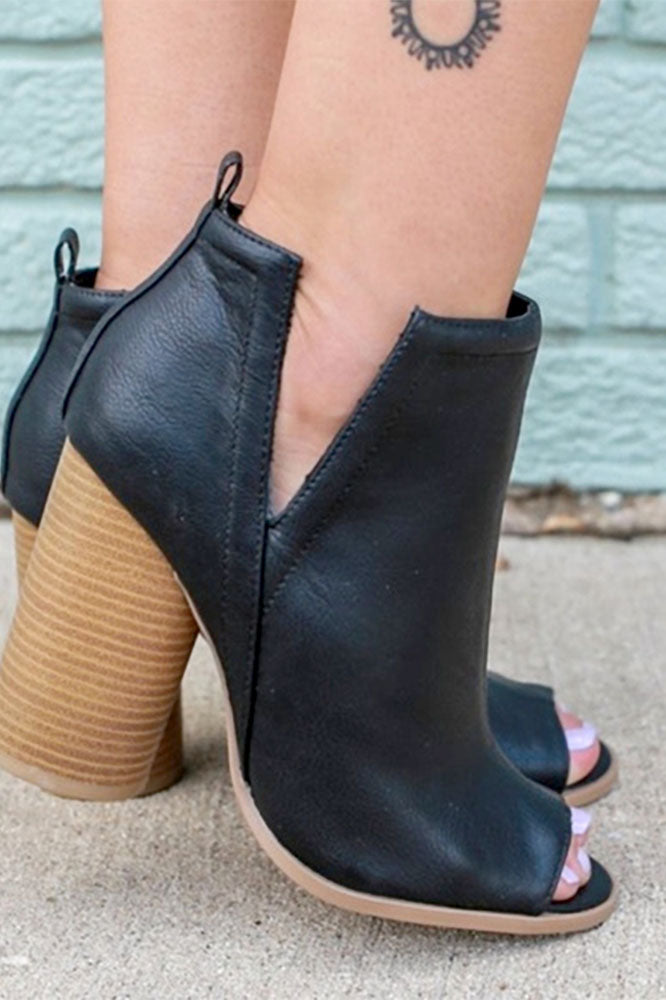
How to Style Booties Heels for Effortless Chic This Season
As the seasons shift, so does the pulse of fashion, and this year, the rhythm is set by the versatile, powerful, and undeniably chic booties heels. They are not merely footwear; they are a foundational statement piece, a sartorial bridge between casual comfort and polished elegance. The quest for effortless style often feels like a complex equation, but the solution can be elegantly simple: mastering the art of styling your ankle boots with heels. This season, we move beyond seeing them as just an item in your closet to understanding them as the central axis around which countless looks revolve. From the structured confidence they lend to a daytime ensemble to the sleek sophistication they offer after dark, the right pair of booties heels can transform your wardrobe’s potential. Let’s delve into the principles, pairings, and professional insights that will elevate your style with scientific precision and creative flair.
The Architectural Foundation: Understanding Booties Heels
To style with authority, one must first understand the subject. Booties heels, often referred to simply as ankle boots, are a type of footwear that covers the foot and ankle, typically ending at or just above the malleolus (the bony prominence on either side of the ankle). The defining characteristic is the presence of a heel, which can range from a subtle block to a daring stiletto. This design is a fascinating study in fashion anthropology. As noted by fashion historian Valerie Steele in her work for The Museum at the Fashion Institute of Technology, footwear has always been a marker of social status and practicality. The modern booties heel is a direct descendant of functional riding boots, evolved through decades of design innovation to become a symbol of contemporary femininity and power. The heel itself alters the wearer’s posture and gait, a biomechanical change that projects confidence. From a materials science perspective, the construction—whether it’s genuine leather, suede, or synthetic blends—affects not only durability and comfort but also the boot’s ability to mold to the foot, creating a personalized silhouette. Understanding this foundation allows us to make informed choices, selecting pairs that offer both aesthetic appeal and ergonomic support, a crucial consideration for all-day wear.

Principle 1: The Proportional Playbook
The most critical rule in styling booties heels is mastering proportion. The eye is naturally drawn to where the leg ends and the foot begins, making the ankle a focal point. The goal is to create a harmonious, elongated line. For cropped or ankle-grazing pants, ensure there is no awkward bunching of fabric; a clean, slight break over the top of the boot is ideal. This creates a seamless transition. With skirts and dresses, the magic lies in the “slice of skin” theory. A hemline that hits just above the top of the boot creates a narrow band of exposed leg, which visually lengthens the entire limb. This is supported by principles in visual perception often cited in design textbooks from institutions like the Rhode Island School of Design (RISD), where negative space is used to guide the viewer’s eye and create an illusion of length. Conversely, pairing booties with full-length, wide-leg trousers that pool slightly at the ankle is a bold, modern move championed by style icons like Olivia Palermo. It works because it creates a continuous column of fabric, with the heel peeking out to add a surprising and sophisticated finish. The key is intentionality; every element from hemline to heel height should be chosen to construct a cohesive visual narrative.
Principle 2: Texture and Tone Synergy
Color and texture are the languages through which an outfit speaks. A sleek black leather booties heel acts as a neutral anchor, capable of grounding a vibrant print or complementing a monochromatic ensemble. The concept of color theory, as detailed in resources from Pantone and art education platforms, is directly applicable here. Analogous color schemes—pairing a taupe suede bootie with camel trousers—create a serene, tonal look that exudes quiet luxury. Complementary schemes, like rich burgundy booties against navy, offer a dynamic contrast. Texture, however, is where depth is built. The tactile contrast of a soft, nubby suede bootie against sleek satin or smooth denim adds a layer of sophistication that is felt as much as it is seen. Fashion director Emmanuelle Alt often demonstrates this, pairing rugged leather boots with fluid silk dresses, a juxtaposition that is the very essence of “effortless chic.” It’s a dialogue between elements: hard and soft, matte and shiny, structured and flowing. Your booties heels should not match your outfit perfectly but should converse with it intelligently.
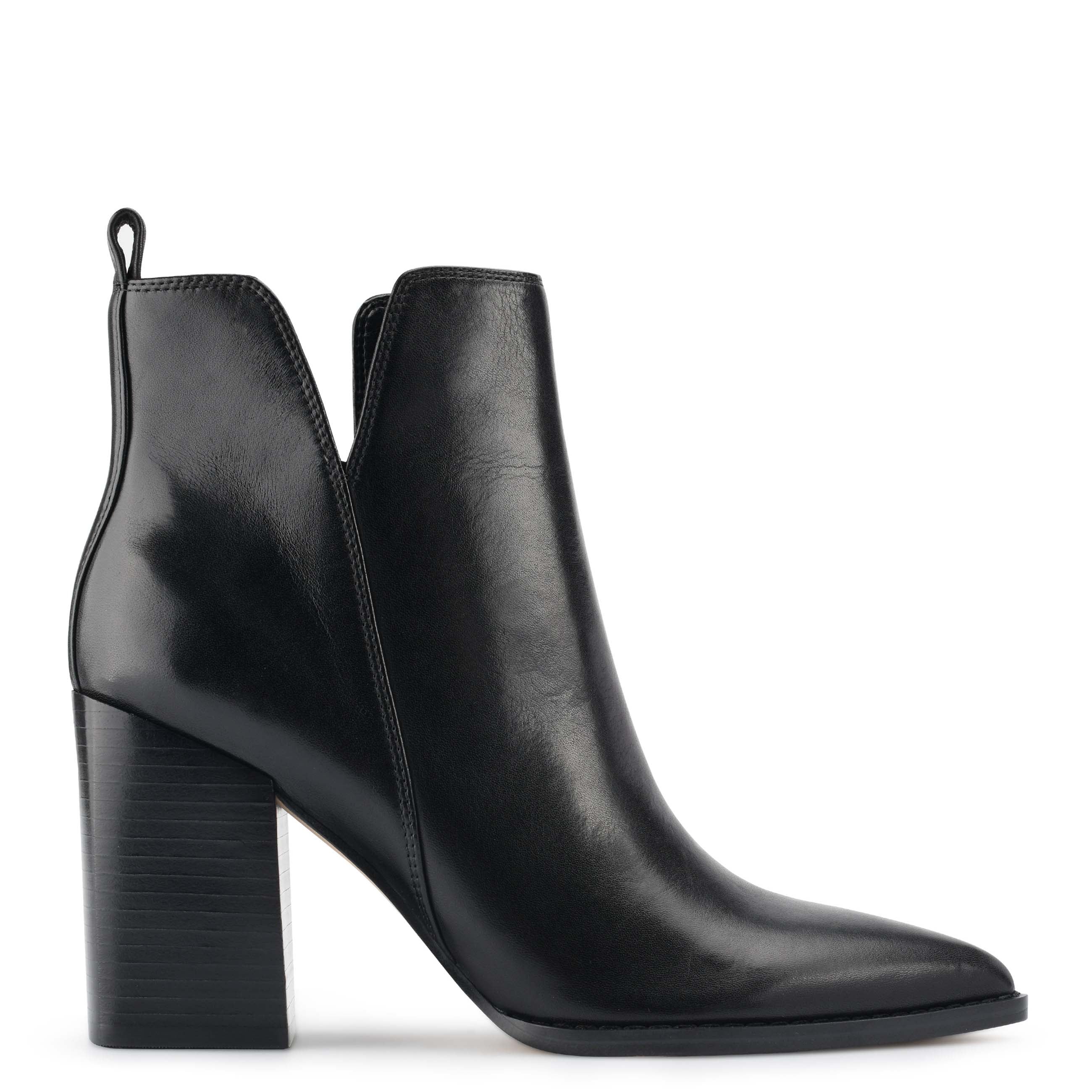
Curated Looks: From Day to Night
Let’s translate theory into practice. For a powerful daytime look, consider a tailored blazer, a simple white tee, straight-leg jeans, and a pair of chunky-heeled booties heels. This ensemble, frequently spotted on the streets during fashion weeks from New York to Paris, leverages the principles of proportion (the clean jean break) and texture (the mix of denim, cotton, wool, and leather). It’s professional yet personal, structured yet relaxed. Transitioning to evening, the bootie’s versatility shines. Swap the jeans for a slip skirt in a luxe fabric. The juxtaposition of the delicate skirt against the assertive bootie creates an arresting tension. As designer Victoria Beckham, a known advocate for the power of a great heel, has stated in interviews, “Footwear can change everything.” A pointed-toe stiletto bootie under a flowing maxi dress or tailored tuxedo trouser adds an edge that a standard pump cannot, proving that these boots are as suited for a gallery opening as they are for a business lunch.
The Expert’s Lens: Quality and Investment
True effortless style is underpinned by quality. An investment in a well-constructed pair of booties heels pays dividends in comfort, durability, and timeless style. Look for features like full-grain leather uppers, sturdy stitching (such as Goodyear welting, a technique praised by cobblers for its durability), and a stable heel block. Brands that specialize in footwear often invest in ergonomic footbeds and arch support, which are non-negotiable for all-day wear. While premium brands command higher prices, the cost-per-wear over years of service makes them a prudent investment. However, savvy style does not preclude finding incredible value. Many contemporary brands and direct-to-consumer labels offer high-quality materials and construction at accessible price points, especially during seasonal sales or through promotional offers. The key is discernment—prioritizing classic silhouettes in neutral colors that will transcend fleeting trends, ensuring your booties remain a cornerstone of your wardrobe for seasons to come.
Beyond the Trend: A Stylistic Staple
The booties heel has transcended its status as a seasonal trend to become a permanent fixture in the fashion lexicon. Its endurance is a testament to its unique blend of form and function. It offers the coverage and support of a boot with the elevation and polish of a heel—a hybrid design that answers the multifaceted demands of modern life. From the practical streets of Copenhagen, where they are paired with everything from cycling shorts to tailored coats, to the runways of Milan, they are a universal symbol of adaptable style. They empower the wearer, quite literally elevating one’s perspective. Styling them with effortless chic is not about following a rigid set of rules, but about understanding these foundational principles and then injecting your personal narrative. It’s about letting that perfect pair be the confident, grounding force that allows the rest of your outfit—and by extension, you—to shine with relaxed intention. So step into the season not just wearing booties, but commanding them, and watch as your style finds its most elegant, effortless expression.