

Effortless Elegance: Styling Clear Heels for Every Occasion
In the ever-evolving landscape of fashion, few items possess the transformative power of a well-chosen shoe. They can anchor an outfit, define a mood, and project an image of confidence and sophistication. Among the myriad of choices, one style has risen from niche trend to wardrobe staple, offering a unique blend of modernity, versatility, and undeniable allure: the clear high heel shoes. This article is not merely a celebration of their aesthetic appeal but a comprehensive guide to understanding their design philosophy, their scientific and cultural underpinnings, and their practical application across every facet of your life. We will move beyond superficial style tips to explore how these transparent wonders create an illusion of elongated lines, their psychological impact, and how to harness their power for effortless elegance, all while bringing you professional insights and considerations for value.
The Architecture of Illusion: Deconstructing the Clear Heel
To appreciate the clear high heel shoes, one must first understand the principles that make them so effective. At its core, this style is a masterclass in visual perception and minimalist design. From a scientific standpoint, the transparency of the material—often PVC, acrylic, or specially formulated polymers—creates a continuation of the skin line. This lack of visual interruption tricks the eye, following the Gestalt principle of continuity, where the human brain perceives elements aligned or continuous as a single, unified form. As noted in design psychology, this seamless extension makes the leg appear significantly longer and the foot more delicate. The heel itself, whether a stiletto, block, or kitten style, provides the physical elevation, but it is the invisible platform or strap that completes the illusion. This isn’t just a fashion trick; it’s applied cognitive science. Renowned figures in the fashion industry, like the late fashion editor Diana Vreeland, famously championed the power of illusion in style, advocating for pieces that alter perception. The clear heel embodies this perfectly, offering a modern tool to sculpt the silhouette without the weight of color or opaque material. It’s a dialogue between the body and space, where the shoe recedes visually, allowing the wearer’s form and movement to take center stage.

From Catwalk to Culture: A Historical and Social Perspective
The journey of transparent footwear is a fascinating study in cultural shifts. While often associated with 21st-century futurism, its roots can be traced further back. One could look to the “naked” sandals of ancient times, which aimed to showcase the foot with minimal obstruction. In modern fashion history, designers like Roger Vivier experimented with transparent elements in the mid-20th century. However, the contemporary explosion of the clear high heel shoes is inextricably linked to the turn of the millennium and the rise of normcore and minimalist aesthetics. As documented on platforms like Wikipedia and in analyses from fashion institutes like the Fashion Institute of Technology, the 2010s saw a push towards deconstruction and transparency in design, both literally and metaphorically. This reflected a broader societal desire for authenticity and “seeing what’s underneath.” Celebrities and influencers on platforms like Instagram and Twitter propelled the trend into the mainstream. For instance, style icon and businesswoman Rihanna has been photographed numerous times in striking clear heels, pairing them with everything from streetwear to haute couture, cementing their status as a versatile power piece. This cultural adoption transformed them from a provocative statement into an accepted, even expected, element of a modern wardrobe, symbolizing a blend of boldness and refined taste.
The Versatility Code: One Shoe, Infinite Narratives
The true genius of the clear heel lies in its chameleonic ability to adapt. Its neutrality is its greatest strength. Unlike a colored shoe that dictates a specific palette or mood, a clear high heel shoes acts as a sartorial neutral. It defers to the outfit, enhancing rather than competing. Let’s explore this across five key scenarios. First, for professional environments, a closed-toe clear pump or a slingback with a moderate heel projects polished competence. It pairs seamlessly with tailored trousers, a midi pencil skirt, or a sleek sheath dress, adding height and sophistication without the distraction of a bold color. Second, for formal events and evening galas, a strappy sandal version with delicate crystal embellishments or a sleek stiletto elevates a cocktail dress or gown. The transparency creates a floating effect, making intricate dress hemlines and details the star. As many fashion critiques on sites like Vogue Runway have noted, this allows for a focus on the craftsmanship of the attire itself.
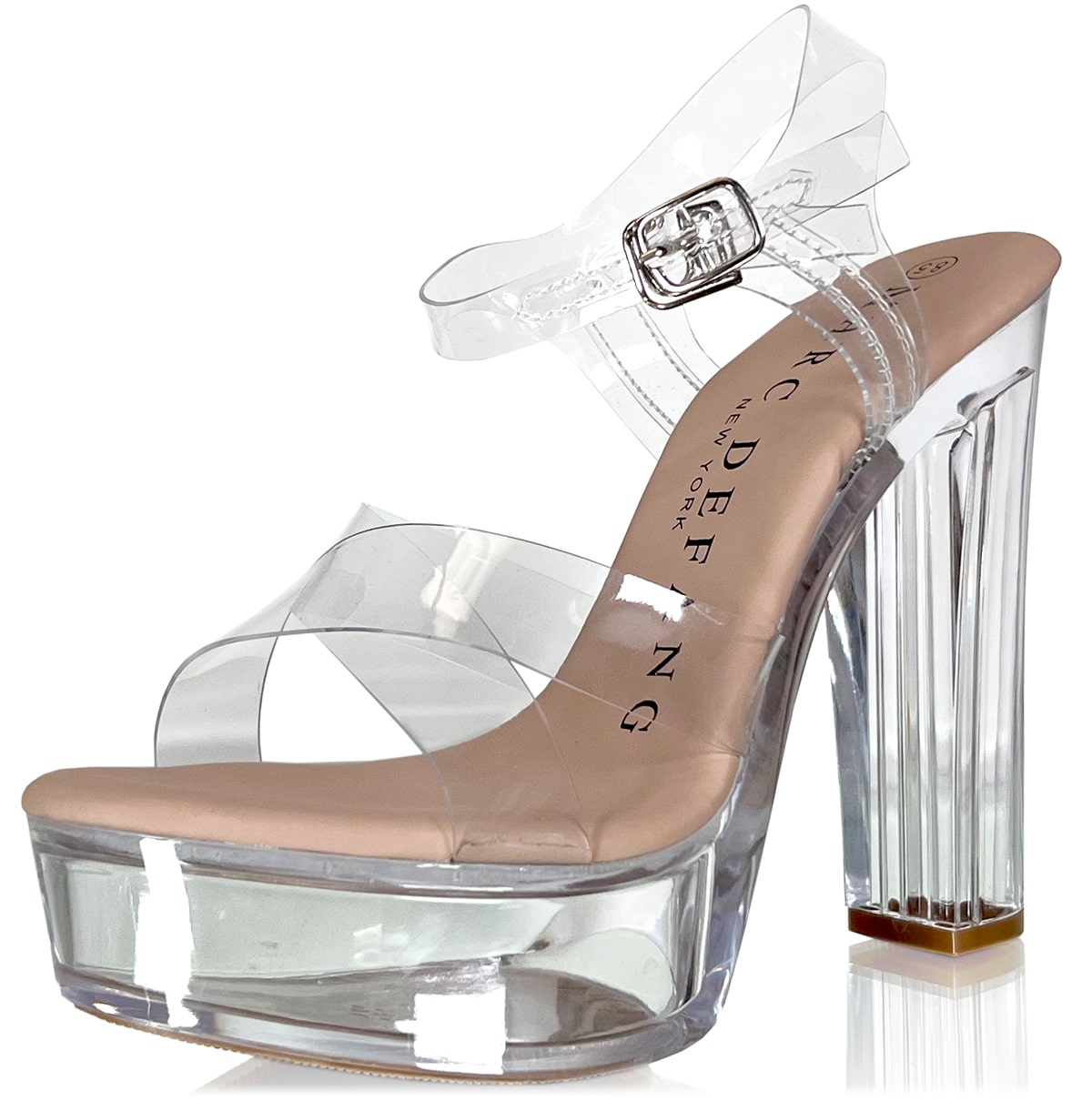
Third, in casual and daytime settings, the clear heel can be surprisingly grounded. Paired with classic blue denim and a crisp white shirt, or a simple sundress, it injects a dose of deliberate, modern polish into an otherwise relaxed look. It signals an effort that is thoughtful, not overdone. Fourth, for creative industries and social events, they offer a platform for personal expression. Worn with bold prints, unconventional silhouettes, or monochromatic looks, they provide a clean, architectural base that lets the wearer’s creative choices shine. Finally, from a practical standpoint, their color neutrality makes them an excellent travel companion, reducing the need for multiple shoe options. This multifaceted utility is why style forums on Quora and Reddit often hail them as a “wardrobe workhorse.” The key is to let the context guide the style of the clear heel—a thicker block heel for all-day comfort at an event, a delicate strap for a romantic dinner, a classic pump for the boardroom.
Material Science and Comfort: Beyond the Aesthetic
Any discussion of shoes is incomplete without addressing comfort and construction. The common misconception is that all clear high heel shoes are inherently uncomfortable. This is a material and design issue, not an inherent flaw. Early iterations often used rigid, non-porous plastics that could cause discomfort. However, advancements in polymer technology have led to more flexible, durable, and sometimes even lightly textured materials that improve grip and fit. From an ergonomic perspective, the design principles remain the same as for any quality shoe: arch support, balanced weight distribution, and a well-cushioned insole are paramount. Literature from podiatry associations and footwear design programs at universities like the University of Oregon emphasize that the health of the foot depends on these factors, regardless of the shoe’s transparency. When shopping, look for brands that incorporate these features into their clear designs. Some may include a barely-there footbed or a flexible shank. The investment in a well-constructed pair pays dividends in wearability. It’s a reminder that true elegance feels as good as it looks; discomfort is never chic.

Curating Your Pair: A Guide to Informed Acquisition
Bringing professional knowledge and value to you means moving beyond hype to informed selection. First, identify your primary use case. Is it for the office, special events, or versatile daily wear? This will determine the ideal heel height and style (pump, sandal, slingback). Second, scrutinize the material. Bend the shoe gently (if possible) to check for flexibility. Examine the clarity and thickness; higher-quality polymers tend to have better optical clarity and resist yellowing over time. Third, pay close attention to the construction. Are the straps securely attached? Is the heel post straight and firmly anchored? How does the footbed feel? Remember, a slightly higher upfront cost for superior craftsmanship often translates to a lower cost-per-wear and greater satisfaction. The market offers a wide range, from accessible high-street brands to luxury designer pieces. The rise of direct-to-consumer brands and seasonal sales events provides opportunities to acquire quality pairs at discounted prices. Be a savvy shopper: subscribe to newsletters, set price alerts, and consider end-of-season sales for classic styles that transcend trends. Your goal is to find a pair that feels like a natural extension of yourself—confident, poised, and effortlessly put together.
In the final analysis, the clear heel is more than a passing trend. It is a design solution that addresses a modern desire for versatility, optical enhancement, and clean-lined aesthetics. It draws from principles of visual perception, reflects cultural movements towards transparency, and, when chosen wisely, offers unparalleled adaptability. From the boardroom to a weekend brunch, it provides a foundation of understated confidence. It allows your personal style to speak loudly while the shoe itself whispers a sophisticated secret. That is the essence of effortless elegance: a deliberate choice that appears seamless, an enhancement that feels intrinsic, and a style that endures precisely because it knows when to step back and let you shine.

