The Ultimate Guide to Walking Shoes That Elevate Your Outfit
Forget the notion that style and comfort are mutually exclusive realms. The modern pursuit of a polished, intentional look no longer demands sacrificing the fundamental need for physical ease, particularly at our foundation. The right pair of walking shoes can transcend their primary function, becoming a pivotal element that not only supports your body through the rhythms of daily life but also completes and elevates your entire ensemble. This is not about choosing between aesthetics and practicality; it’s about discovering the synergy where exceptional design meets biomechanical science. The journey to finding that perfect pair—a shoe that facilitates effortless, healthy walking while serving as a sartorial statement—requires moving beyond superficial trends. It demands an understanding of material innovation, anatomical principles, and the subtle language of personal style. Let’s dismantle the old paradigms and explore how the very shoes you walk in can become your most reliable and stylish allies.
The Anatomy of a Style-Forward Walking Shoe
To appreciate a shoe that excels in both form and function, one must first understand its components. A true style-forward walking shoe is an engineered product, where every element serves a dual purpose. The upper, traditionally seen as the canvas for design, is now crafted from technical knits, recycled polymers, and premium leathers that offer breathability, durability, and a clean aesthetic. Brands like Allbirds and Cole Haan have pioneered this space, using materials like ZQ Merino wool and proprietary lightweight leathers that mold to the foot while maintaining a sleek profile. The midsole is the heart of the walking experience. Here, technologies such as Adidas’s Boost, Brooks’s DNA LOFT, or proprietary EVA foams provide responsive cushioning. This isn’t mere softness; as noted in a biomechanics study from the University of Virginia’s Department of Kinesiology, optimal cushioning reduces peak impact forces on joints during the gait cycle, making sustained walking not just comfortable but physiologically safer. The outsole’s rubber compound and tread pattern are designed for flexible movement and secure traction on urban surfaces, ensuring stability with every step. When these elements coalesce, the result is a shoe that doesn’t look like a piece of sports equipment but possesses its technical prowess, ready to support miles of comfortable walking.
Biomechanics of Walking: Why the Right Shoe is Non-Negotiable
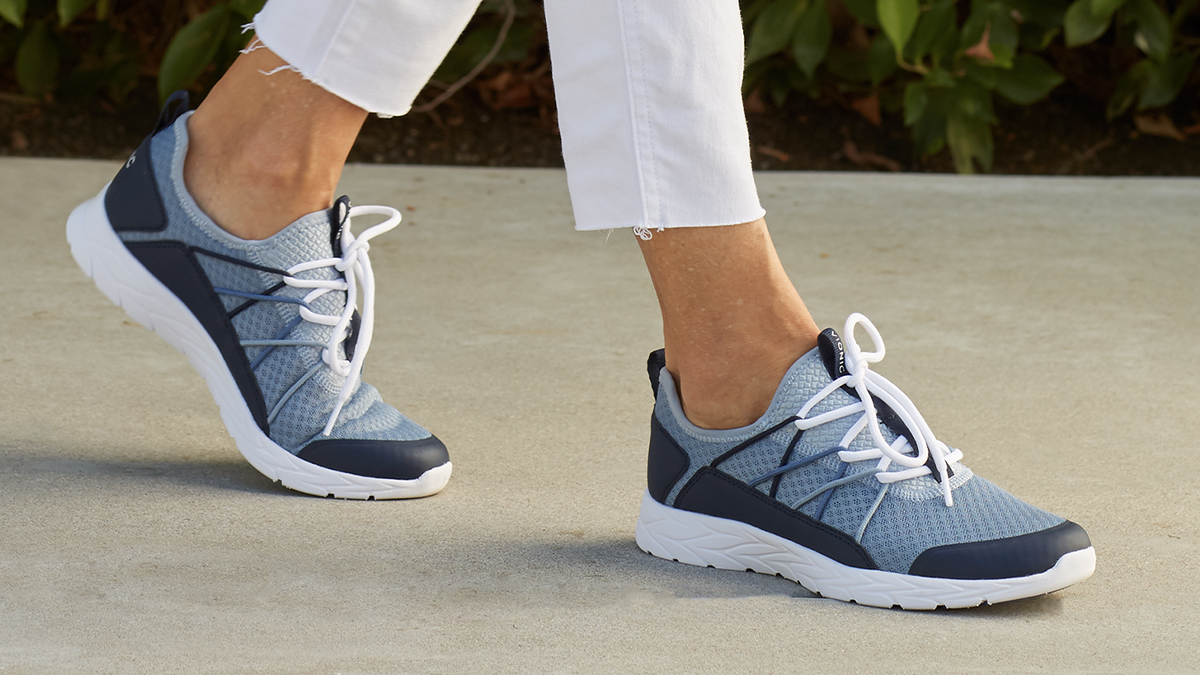
The human act of walking, or gait, is a complex, repetitive series of motions involving countless muscles, tendons, and bones. Compromising this system with improper footwear has consequences far beyond blisters. The gait cycle consists of the stance phase (foot on ground) and swing phase (foot in air). During the stance phase, the foot typically pronates—rolls inward—to absorb shock. However, overpronation or underpronation (supination) can lead to a chain of misalignments affecting ankles, knees, hips, and even the lower back. A well-designed walking shoe acts as a stabilizing interface. It provides structured support, often through medial posts or arch support, to guide the foot into a more neutral position. Dr. Casey Kerrigan, a former Harvard Medical School professor and founder of a footwear science company, has published research indicating that traditional fashion shoes, including many flats and heels, can create joint torques higher than those caused by high heels. Conversely, a shoe built for walking promotes a natural, healthy gait. Therefore, selecting a shoe for walking is an investment in long-term musculoskeletal health, preventing the cumulative damage of daily steps. It is the foundation upon which both your outfit and your physical well-being are built.
Curating Your Shoe Arsenal: Styles for Every Scenario
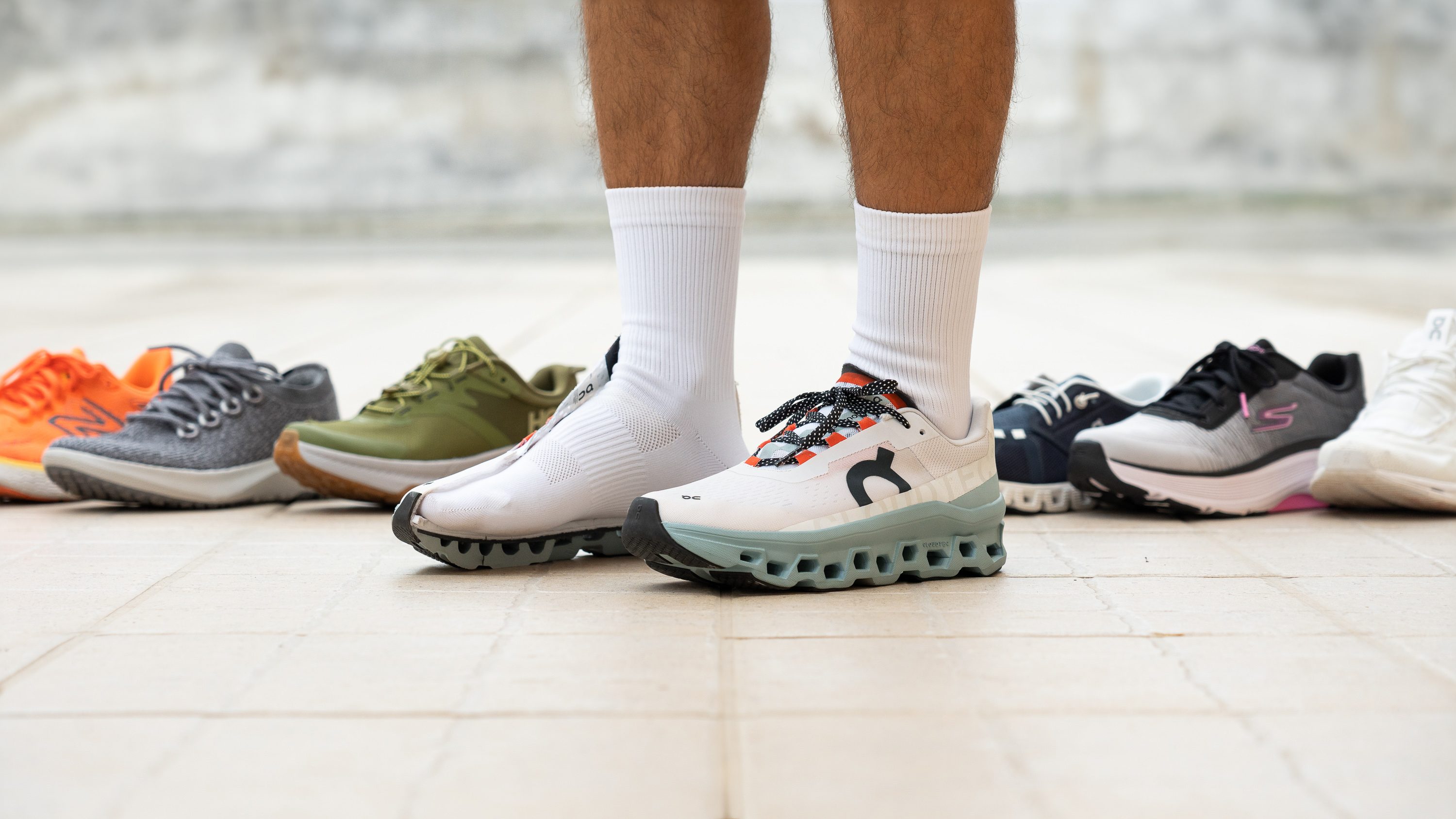
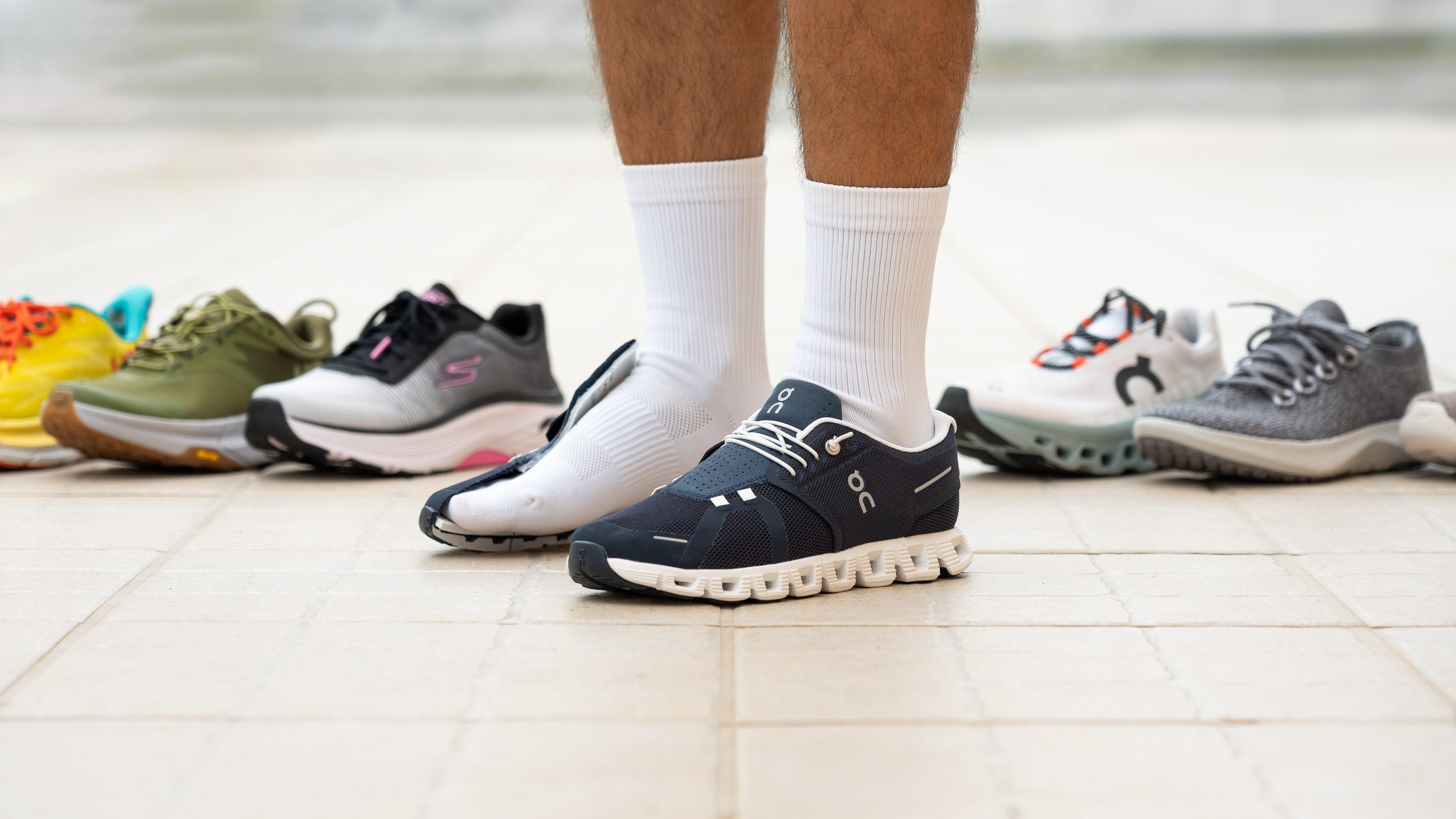
Building a versatile collection of walking-friendly shoes means having options that seamlessly transition from context to context. The goal is to never feel sartorially compromised by the need for comfort. Consider the minimalist white leather sneaker—exemplified by brands like Common Projects or Axel Arigato. Its clean lines offer a modern, polished look that pairs effortlessly with tailored trousers, denim, or even midi dresses, all while hiding advanced cushioning systems within. For a more rugged, yet refined aesthetic, the leather trail sneaker from brands like Salomon or Hoka One One has crossed over from mountain paths to city streets. Their aggressive treads and protective details add an element of technical utility to casual outfits, supporting adventurous walking on uneven urban terrain. Don’t overlook the modern loafer. Designers have reimagined this classic, infusing it with memory foam footbeds and flexible outsoles. A pair from Tod’s or a refreshed version from Cole Haan offers timeless sophistication for business-casual settings or weekend brunches, proving that a shoe conducive to walking can be inherently elegant. Finally, the technical walking shoe has undergone a design revolution. Models from On Running or Nike’s React line showcase futuristic silhouettes and innovative materials that look as compelling as they feel, turning the act of walking into a statement of contemporary style.
The Expert Lens: What Icons and Innovators Say
“Shoes transform your body language and your attitude. They lift you physically and emotionally. And the right pair for the day is one that lets you move through your world with confidence and without pain.” – This sentiment, echoed by style commentators and podiatrists alike, captures the dual role of footwear. Fashion luminary Diana Vreeland famously championed individuality and impact, principles that apply perfectly to today’s functional fashion. Meanwhile, from a scientific perspective, Dr. Ray McClanahan, a sports podiatrist, advocates for footwear that allows natural foot splay and toe movement, a feature now being incorporated into stylish designs. On platforms like YouTube, certified pedorthists and stylists collaborate on content showing how to integrate orthopedic principles into a fashionable wardrobe. The consensus is clear across disciplines: the most empowering shoe is one you forget you’re wearing because it fits so perfectly, freeing you to focus on your day and your presence, not your discomfort.
Investment and Value: Navigating Price and Performance
Perceived cost often becomes a barrier to acquiring quality footwear. However, viewing a superior walking shoe as a capital investment rather than an expense reframes the decision. A well-constructed shoe from reputable brands utilizes higher-grade materials, advanced manufacturing techniques, and, crucially, invested research and development into ergonomics. This translates to a longer lifespan—often exceeding 500 miles of walking before the midsole cushioning degrades—and consistent support throughout. The cost-per-wear of a $150 shoe that lasts two years and is worn daily is significantly lower than that of two $60 pairs that deteriorate in six months. To access this value strategically, consider end-of-season sales, outlet collections of premium brands, and subscription newsletters that alert to flash sales. Retailers like Zappos or directly from brand websites often offer discounts on previous seasons’ colorways, which are typically just as functionally sound. Remember, the true cost of a cheap shoe isn’t just its price tag; it’s the potential for foot fatigue, joint stress, and the need for premature replacement. Investing in the right tool for walking is an investment in your daily comfort and long-term vitality, a value proposition that transcends mere fashion.
The Final Step: Integration and Intention
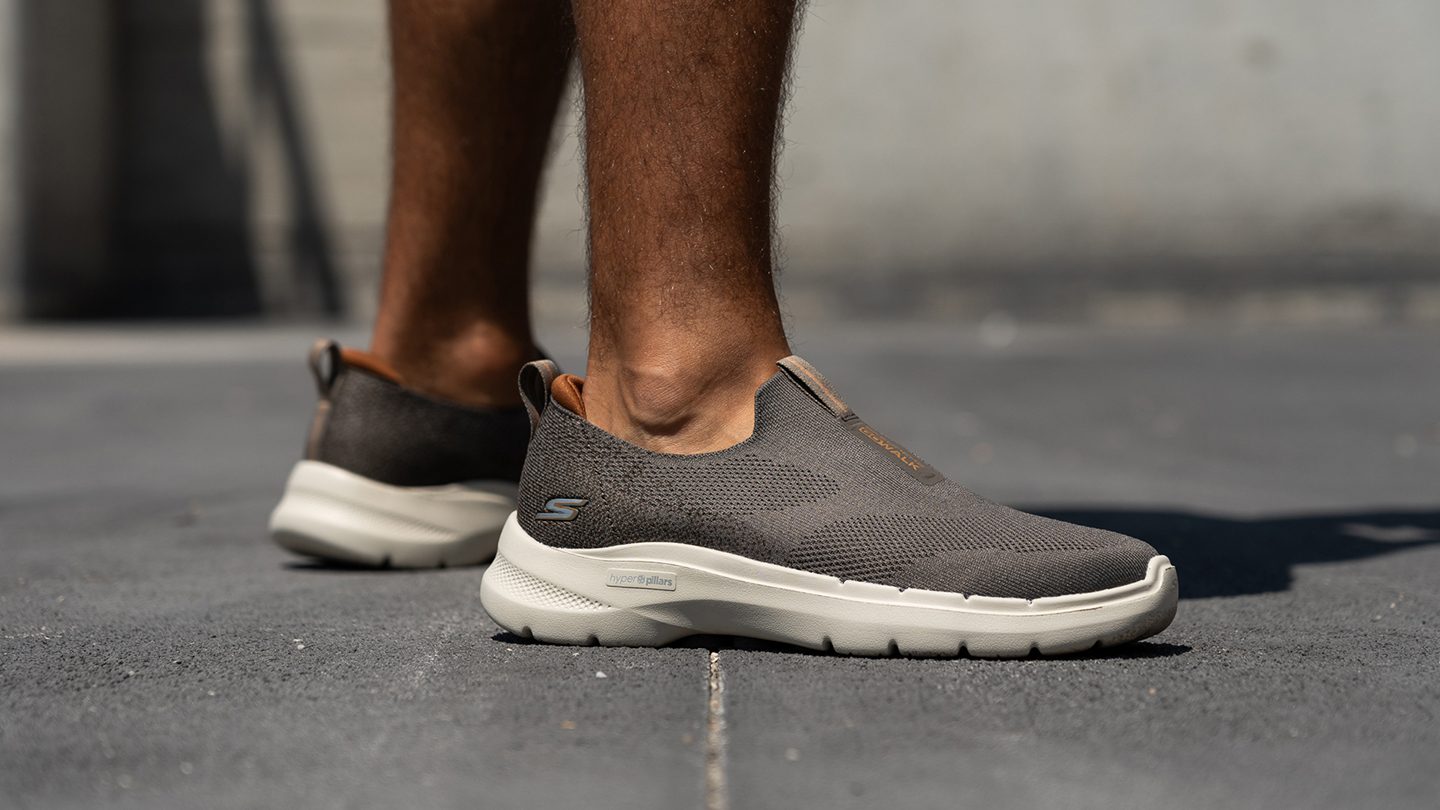
The culmination of this knowledge is not merely possession, but intentional integration. It begins with a mindful fitting process—preferably in the afternoon when feet are naturally slightly swollen, wearing the socks you intend to pair them with. There should be a thumb’s width of space at the toe, the heel should cradle without slip, and the widest part of your foot should align with the shoe’s widest part. Once you’ve found your pair, consider them the foundation of your outfit. A monochromatic look extended to your shoes creates a lengthening, streamlined effect. Let a boldly colored or textured walking shoe be the focal point of a neutral ensemble. The confidence that springs from unwavering comfort is the ultimate accessory. It alters your posture, your stride, and your engagement with the world. Your chosen shoe for walking becomes more than an object; it is the enabler of your presence, allowing you to move through your day with purpose, poise, and undeniable style. This is the new standard: where every step is taken in support, and every step makes a statement.