

The Ultimate Guide to Ryka Walking Shoes for Women
In the realm of fitness footwear, finding a shoe that genuinely understands and caters to the unique biomechanics of a woman’s foot is more than a convenience—it’s a revolution. This is where Ryka walking shoes for women carve their distinct niche. Unlike unisex brands that simply scale down a men’s design, Ryka engineers footwear from the ground up, specifically for the female anatomy. This guide delves deep into the science, design philosophy, and real-world performance of these shoes, moving beyond marketing claims to explore why they have become a trusted companion for walkers. We’ll dissect the key technologies, provide objective evaluations, and offer insights to help you make an informed choice, blending professional knowledge with an eye for value.
The Foundation: Biomechanics and the Female Foot
To appreciate Ryka’s approach, one must first understand the fundamental anatomical and biomechanical differences between the average male and female foot. According to research from authoritative institutions like the University of Massachusetts Amherst’s Biomechanics Lab, these differences are not merely dimensional but structural. The female foot typically has a narrower heel in proportion to the forefoot, a higher arch, and a different Q-angle (the angle between the quadriceps muscle and the patellar tendon) which affects alignment from the hip down. A study published in the Journal of Foot and Ankle Research corroborates that these factors significantly influence gait patterns and pressure distribution. When a woman wears a shoe built on a man’s last (the foot-shaped form around which a shoe is constructed), it can lead to heel slippage, inadequate arch support, and improper weight distribution, potentially causing discomfort or injury over time. Ryka’s core premise, as stated on their official platform and echoed by fitness experts on platforms like YouTube, is to address these specificities. Their lasts are designed with a woman’s unique bone structure, muscle alignment, and center of gravity in mind. This isn’t just a sizing adjustment; it’s a foundational re-engineering. As noted by podiatrist Dr. Jane Andersen in various health publications, proper footwear alignment is the first line of defense against common issues like plantar fasciitis, shin splints, and knee pain, making a gender-specific design not a luxury, but a biomechanical necessity for sustained activity.

Deconstructing the Ryka Advantage: Key Technologies Explained
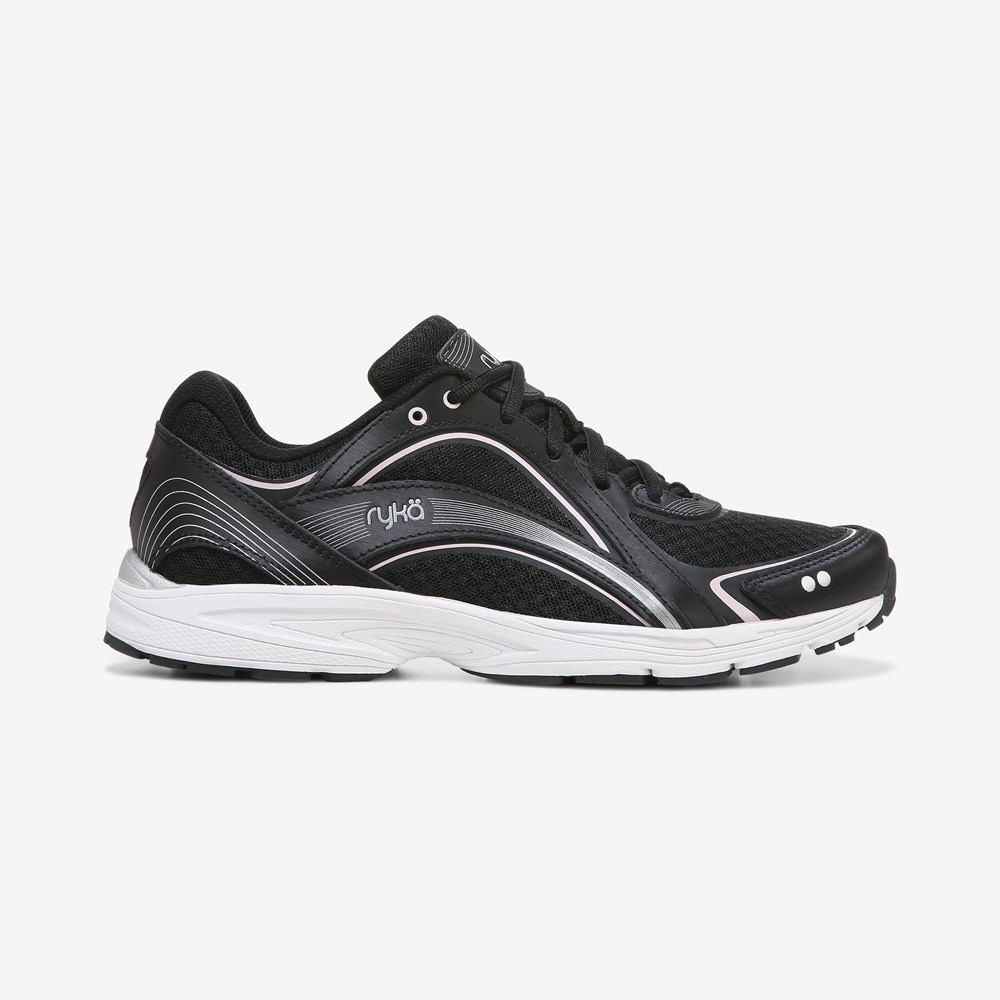
Ryka’s commitment translates into tangible technologies integrated into their Ryka walking shoes for women. Let’s examine these features with scientific objectivity. First is the RE-ZORB® Advanced Cushioning. This proprietary foam compound is engineered for high-energy return and durability. From a materials science perspective, as explained in resources like Wikipedia’s entries on polymer foams, the goal of such cushioning is not just softness but efficient shock attenuation and propulsion. RE-ZORB® aims to absorb impact forces at heel strike and convert a portion of that energy into forward motion, reducing fatigue on joints and muscles. Second is the focus on Stability and Motion Control. Many Ryka walking models feature a medial post—a firmer density foam on the inner side of the midsole. This design, supported by orthopaedic literature, helps control overpronation, the inward rolling of the foot that is more common in women due to their wider pelvis. By providing structured guidance, the shoe promotes a more neutral foot path. Third, the Anatomical Footbed warrants attention. Unlike generic insoles, these are contoured to better match the arch height and metatarsal spread of a woman’s foot, offering targeted support where it’s needed most. These technologies collectively create an environment that respects female physiology. As fitness influencer and certified trainer Blogilates (Cassey Ho) has mentioned in her gear reviews, the immediate “hugged” feel of a well-designed women’s-specific shoe like Ryka can make a profound difference in workout confidence and endurance.
From Pavement to Trail: Selecting Your Ideal Ryka Walker
The category of “Ryka walking shoes for women” encompasses a range tailored for different environments and needs. Making an informed choice requires matching the shoe’s attributes to your primary activity. For the dedicated road or treadmill walker, models like the Ryka Devotion X are exemplary. They often feature the highest level of RE-ZORB® cushioning, seamless uppers to prevent friction, and reflective details for safety. The outsole rubber is designed for optimal grip on paved surfaces. If your routine includes gym floors, cross-training, or a mix of light errands, a versatile model like the Ryka Hydro Sport might be more suitable. These may offer water-resistant features and a balance of flexibility and stability for multi-directional movement. For those who venture onto gravel paths or light trails, paying attention to outsole lug pattern is crucial. A more aggressive tread provides the necessary traction on uneven terrain. The weight of the shoe is another scientific factor. Lighter shoes reduce the metabolic cost of walking, a principle well-documented in sports science literature from universities like the University of Colorado Boulder. A lighter shoe means less energy expended per step, allowing for longer, more comfortable sessions. Therefore, examining the specified weight of a model can be a key differentiator. It’s not about one shoe being universally “best,” but about which shoe is optimally engineered for your specific walking ecosystem.

Beyond the Hype: An Objective Look at Fit and Longevity
Authentic reviews from long-term users on platforms like Quora and dedicated running shoe forums provide a ground-level view of fit and durability that complements technical specifications. A common thread in discussions about Ryka walking shoes for women is the notably secure heel fit, which many attribute to the gender-specific last. This eliminates the “heel lift” that plagues some walkers in unisex shoes. However, fit is profoundly personal. The recommendation, echoed by experts from sources like the American Podiatric Medical Association, is to always try shoes on in the afternoon when feet are naturally more swollen, and to wear the socks you intend to walk in. Regarding longevity, the durability of the RE-ZORB® midsole and the outsole rubber are critical. While Ryka designs for resilience, the lifespan of any athletic shoe is governed by the principles of material fatigue and compression set in foam. As a general rule cited by organizations like the American Council on Exercise, walking shoes should be replaced every 300-500 miles. For a daily walker covering 5 miles, this translates to roughly 3-6 months. Observing the compression lines on the midsole and checking for smoothness on the outsole’s high-wear areas (like the heel) are tangible, user-accessible methods to assess wear. This objective approach to fit and lifecycle management ensures you derive maximum value and protection from your footwear investment.
Value Proposition: Integrating Professional Insight with Smart Shopping
Investing in quality footwear is an investment in your health, but savvy shopping is always prudent. The professional knowledge we’ve outlined—understanding biomechanics, technology, and fit—empowers you to identify true value. While Ryka shoes are positioned in the mid-range of the athletic footwear market, their specialized design offers a value that a discounted, generic shoe may not. To find the best price, consider the product lifecycle. New model releases often lead to discounts on previous colorways or versions. Major retail holidays, clearance events on the official Ryka website, and authorized third-party retailers are excellent hunting grounds. It is crucial, however, to purchase from authorized sellers to guarantee you receive authentic products with valid warranties. The allure of deeply discounted prices on unofficial marketplaces can be risky, as counterfeit shoes rarely replicate the precise engineering, materials, or safety standards. As financial expert and author Ramit Sethi often discusses in the context of value spending, spending wisely on a tool you use daily for your health—like a quality pair of Ryka walking shoes for women—is a justifiable and intelligent allocation of resources. The goal is to pair the irreplaceable benefit of proper support with the satisfaction of a price obtained through informed, strategic shopping.

The journey to finding the perfect walking shoe culminates in a synergy of science, self-knowledge, and value. Ryka walking shoes for women stand as a testament to the importance of design intentionality, building not just for a foot, but for the distinct architecture of the female form. From the laboratory-underpinned RE-ZORB® cushioning to the anatomically contoured footbed, each element serves a purpose rooted in biomechanical research. By applying the objective criteria outlined—assessing your gait, your environment, and the shoe’s technological offerings—you move beyond brand loyalty to informed selection. Ultimately, the right shoe should feel like an extension of your body, a silent partner that supports every step of your journey, empowering you to walk farther, more comfortably, and with greater confidence. Let this understanding guide your choice, ensuring your next step is your best yet.
