

The Ultimate Guide to Toe Walker Shoes for Effortless Chic
In the ever-evolving landscape of fashion and function, a singular category of footwear is redefining what it means to stride with both purpose and style. We are no longer confined to the binary choice of either clinical orthotics or purely aesthetic designs. The emergence of sophisticated toe walker shoes represents a profound synthesis, offering a solution that addresses specific biomechanical needs while delivering undeniable elegance. This is not merely about footwear; it’s about reclaiming a natural, poised gait and expressing personal style without compromise. The journey from a specialized medical device to a cornerstone of chic, everyday wear is a testament to innovative design and a deeper understanding of human movement.
Decoding the Gait: What Does “Toe Walking” Truly Mean?
To fully appreciate the innovation behind modern toe walker shoes, one must first understand the biomechanics they address. Toe walking, or equinus gait, is a pattern of walking where an individual makes contact with the ground primarily with the forefoot and toes, with minimal or no contact from the heel. In pediatric development, as noted by resources like the Stanford Children’s Health literature, transient toe walking is common. However, persistent toe walking beyond early childhood can stem from various factors. These may include idiopathic (habitual) causes, where no underlying medical condition is present, or it can be associated with conditions such as cerebral palsy, muscular dystrophy, or autism spectrum disorder, as documented in medical journals and platforms like Wikipedia. The consequences of a persistent toe-walking gait can be multifaceted, potentially leading to shortened Achilles tendons, muscle fatigue, and altered balance. Therefore, intervention, often through specialized footwear or orthotics, aims not to stigmatize a movement pattern but to promote a healthier, more sustainable heel-to-toe rocking motion that distributes impact forces more efficiently across the foot and lower limb.
The Architectural Revolution: Inside the Modern Toe Walker Shoe
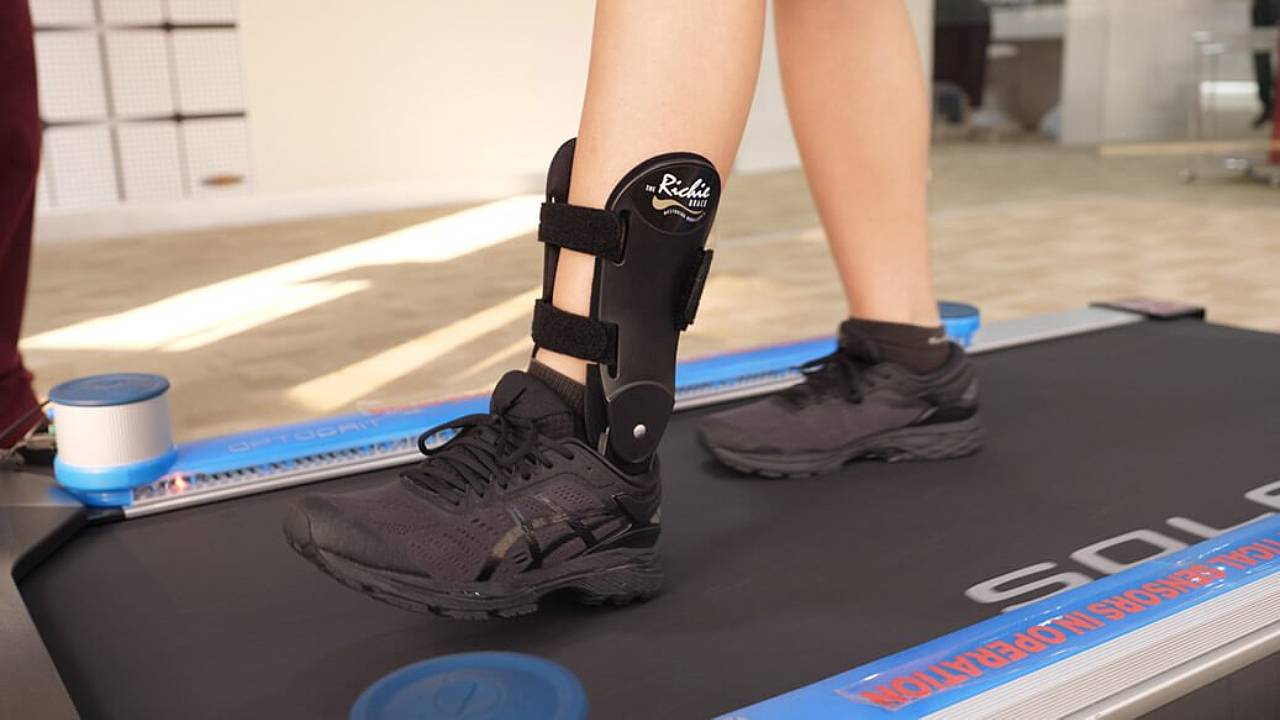
Gone are the days of bulky, conspicuously medical designs. The contemporary toe walker shoes are a marvel of ergonomic architecture. Their design philosophy centers on providing gentle, consistent resistance to plantarflexion (the pointing of the toe) while encouraging dorsiflexion (lifting the toe toward the shin). This is achieved through several key features. First, a firm, extended heel counter is paramount. This reinforced back portion of the shoe provides crucial stability to the calcaneus (heel bone), preventing it from lifting prematurely. Second, a rocker-bottom sole is often incorporated. This curved sole design, research from institutions like the Spaulding National Running Center has shown, facilitates a smoother roll-through from heel-strike to toe-off, reducing the effort required to complete a step and mitigating the instinct to walk on the toes. Third, the internal environment often includes a full-length, supportive footbed with a built-in heel lift or accommodation for custom orthotics. This addresses any tendon tightness and ensures proper alignment from the ground up. As famed designer Tom Ford once opined on the essence of style, “Dressing well is a form of good manners.” These shoes extend that manners to one’s own physiology, respecting the body’s mechanics with every step.

From Clinic to Catwalk: The Seamless Integration of Support and Style
The most significant breakthrough is the dissolution of the boundary between therapeutic need and sartorial desire. Designers and orthopedic specialists now collaborate to create toe walker shoes that look indistinguishable from high-street fashion. You can find them in the form of sleek ankle boots with hidden stabilizing mechanisms, elegant loafers with integrated rocker soles, and even stylish sneakers that offer superior motion control. This integration is vital. When footwear is aesthetically pleasing, compliance with wearing them increases dramatically. It transforms a perceived prescription into a personal choice. The psychological shift is powerful: instead of wearing a “corrective device,” you are choosing a beautiful shoe that happens to offer unparalleled support. This philosophy echoes the words of style icon Iris Apfel: “I think you have to be interested. If you’re not interested, you can’t be interesting.” The modern market for these shoes invites wearers to be deeply interested in their own well-being, making the choice for support an interesting and stylish one.

A Partnership in Progress: The Role of Custom Orthotics
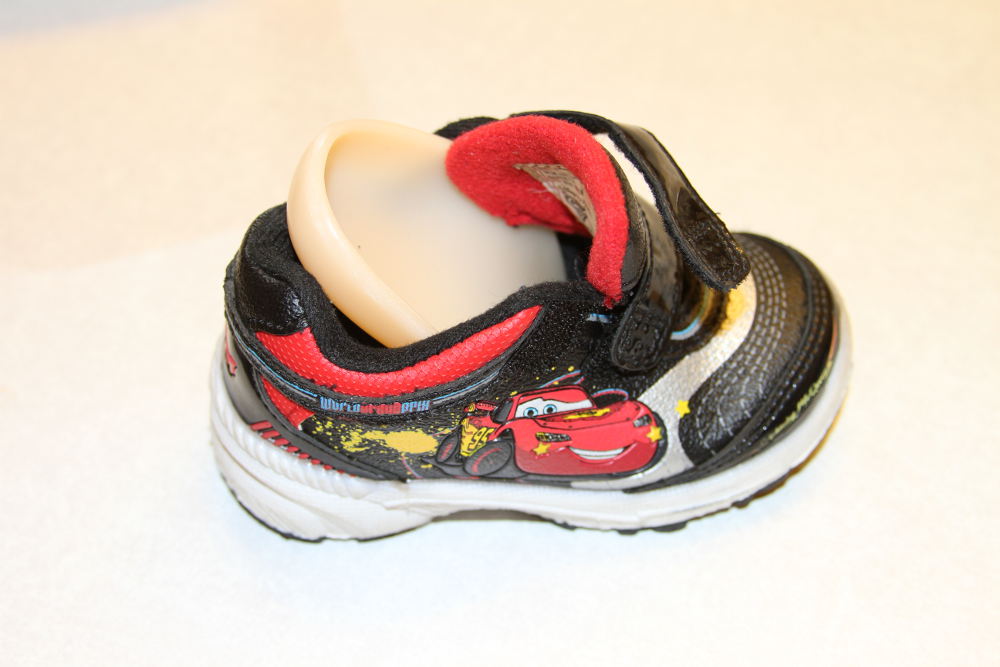
While many off-the-shelf toe walker shoes provide excellent general support, the pinnacle of personalized care is achieved through custom orthotics. These are not the generic insoles found in drugstores; they are medical devices crafted from precise molds or digital scans of your feet. A podiatrist or orthotist prescribes them to address your specific biomechanical profile. The process, as detailed by clinics worldwide, involves assessing gait, pressure points, and anatomical structure. The resulting orthotic is a work of art in polymer or composite materials, designed to correct alignment, redistribute pressure, and provide targeted support exactly where you need it. The beauty of today’s chic toe walker shoes is that they are designed with a “deep volume” or removable insole to accommodate these custom devices seamlessly. This synergy ensures that the external style of the shoe and the internal corrective mechanism work in perfect harmony. As the ancient Greek physician Hippocrates is often paraphrased, “Walking is man’s best medicine.” With this tailored approach, every step becomes a therapeutic act, cloaked in sophistication.
Investing in Your Stride: Value Beyond the Price Tag
It is essential to frame the acquisition of these specialized shoes not as an expense, but as a strategic investment in long-term mobility, comfort, and confidence. Consider the cost-per-wear analysis championed by financial and style experts alike: a well-made, versatile pair of shoes worn daily for years offers far greater value than multiple pairs of trendy, unsupportive footwear that cause discomfort and may lead to future physical costs. The market now offers a range, from premium designer collaborations to more accessible, high-quality brands. Savvy shoppers can find significant value by looking for end-of-season sales, subscribing to brand newsletters for exclusive discounts, or exploring reputable online retailers that specialize in orthopedic fashion. The goal is to bring professional-grade support to your wardrobe at an accessible price point. Remember, as the business magnate Warren Buffett wisely stated, “Price is what you pay. Value is what you get.” The value here is a fusion of health, comfort, and style—a return that far exceeds the initial outlay.
Your Curated Step Forward
The narrative around footwear that supports an atypical gait has been irrevocably changed. You are no longer limited to a world of clinical beige and bulky silhouettes. Today, you can select from an array of designs that speak to your personal aesthetic—be it minimalist, classic, or avant-garde—all while knowing that each pair is engineered to guide your foot through a healthier, more efficient walking pattern. This is the essence of effortless chic: an appearance of easy grace underpinned by intelligent, purposeful design. The ultimate guide leads to a simple yet transformative realization: the shoes that support your unique way of moving are the very shoes that can elevate your style to its most confident expression. The path to a more comfortable and chic stride is clearly marked, inviting you to walk it on your own terms.
